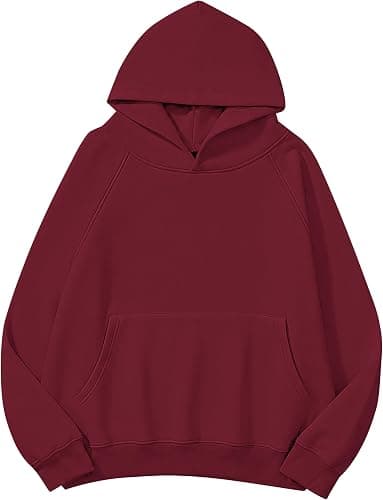
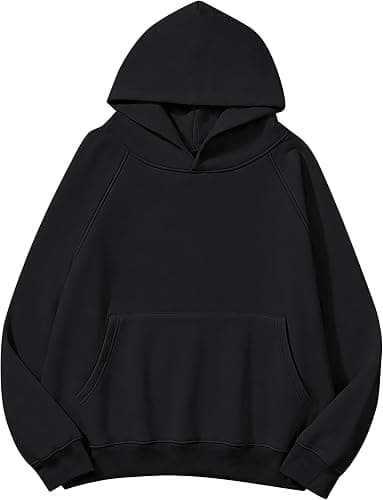
Hoodies for Retailers: print or embroidery
By The Velocity Wear Team
Retailers should print anything graphic-led — big front artwork, seasonal colourways, back prints — and embroider anything that carries the brand mark on its own. Screen printing and DTF give you colour and scale at a low per-piece cost. Embroidery gives you a garment that reads as premium on the rail. Both run from our 50-piece minimum, from $31 a piece.
Which method sells better off a rail?
Shoppers buy a graphic hoodie for the graphic and a plain hoodie for the fit. That split decides the decoration. If the artwork is the reason the hoodie exists, print it: screen printing holds solid colour blocks cleanly across a large front panel, and DTF handles gradients, photographic detail and fine multi-colour work that screens struggle with. If you are selling a quiet hoodie with a small chest mark, embroidery does more for perceived value than any print can, because the stitch catches the light and the customer can feel it through the fabric. Our wholesale hoodies page lists what we run on each.
A third option gets overlooked. 3D puff raises the stitch off the surface and suits a bold monogram or a small wordmark on the chest, which is worth knowing if your range sits in streetwear rather than basics.
What does each method do to your margin?
Screen printing carries a setup per colour per design, so it gets cheaper the more pieces you run and the fewer colours you use. A two-colour front at 250 pieces costs very little per hoodie. The same artwork at 50 pieces carries the same setup spread across a fifth of the units. DTF has no screen setup, so it is the sensible choice for a small first run or a design with eight colours in it. Embroidery is priced on stitch count, not colours, which means a dense back logo costs more than a wide, simple one.
Because those curves differ, the method that works out best at 50 pieces is often not the one that works out best at 500. Volume discounts run up to 35% from the 50-piece price, and screen printing compounds that harder than embroidery does. If you expect to restock, price the artwork at the quantity you will end up buying rather than the quantity you are testing with. The wholesale range shows where hoodies sit next to the rest of the catalogue if you are building a mixed drop.
Does 280 to 450 GSM fleece change the choice?
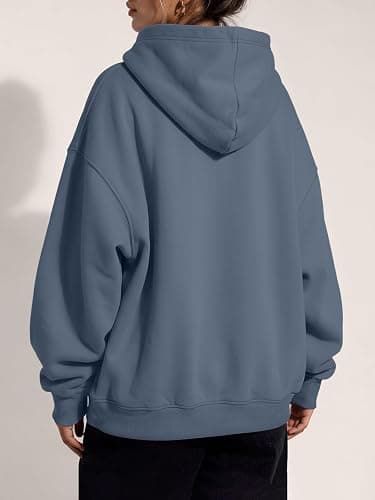
It does, and this is where retail orders go wrong. A 280 GSM brushed-back fleece is light enough that a dense embroidery patch can pull the panel out of shape after washing, so a backing is needed and the design should stay modest. At 400 to 450 GSM the fabric carries stitch easily and a heavy chest logo sits flat. Print behaves the other way around: a heavy brushed nap needs more ink to sit on top of the loft, and a soft-hand finish reads better on the lighter weights. Fit matters too — an oversized cut moves the chest position down and out compared with a classic fit, so the same artwork placed at the same measurement lands differently.
What should a retailer put on the purchase order?
Write the specification so a reorder in six months produces the same garment. Vagueness here is what causes the second run to look off.
- Garment weight in GSM and the fit name, not just the size
- Decoration method per position, with placement measured from the shoulder seam
- Pantone references for every print colour and every thread
- Neck label treatment: woven, tear-out or the supplied blank
- The size curve, broken down piece by piece inside the 50
Order a sample before the bulk run so you are approving a garment rather than a render. We cover what to inspect on it in hoodies for retailers: samples, and the cost drivers behind the quote are broken down in how much do custom hoodies cost.