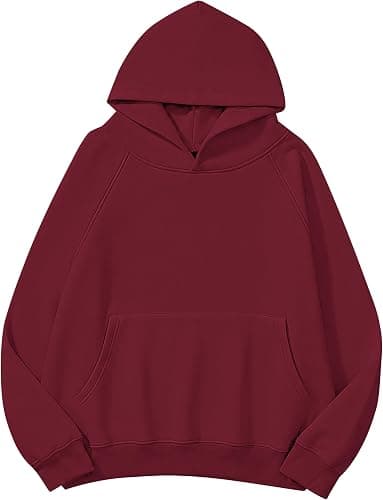
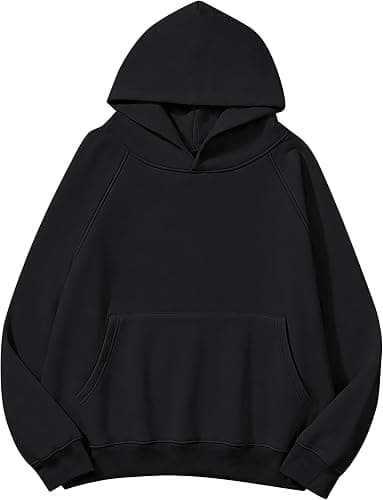
Hoodies for Retailers: samples
By The Velocity Wear Team
A hoodie sample costs £150 and that £150 is credited against your bulk order, so a retailer who goes on to buy pays for it once. What you get back is a single finished garment in your chosen weight, fit, colour and decoration. Approve it and production runs to it. That approval is also what starts the 10 to 15 working day clock.
Why does a retailer need a physical sample at all?
Because you are the one taking the returns. A wholesale buyer who gets the fit wrong absorbs the mistake internally; a retailer gets it back through the door with the tags cut off. A screen render cannot tell you whether a 280 GSM body feels thin in the hand, whether the cuff ribbing recovers after a stretch, or whether the drawcord tips look cheap under shop lighting. Those are the details a customer decides on in the first three seconds of touching the garment. We have written about the gap between a render and the real thing in AI mockups vs physical samples.
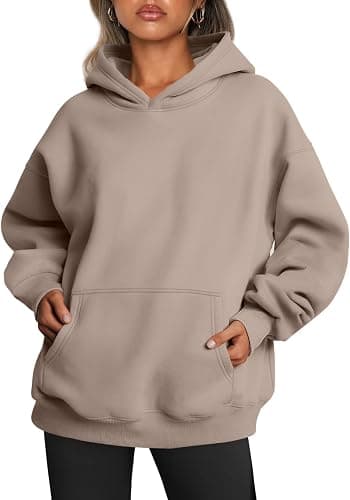
What should you actually check on the sample?
Work through it in a fixed order rather than picking it up and forming a general impression. Measure first, then look, then wash.
- 1Measure chest, body length and sleeve length flat, and compare against the size chart you intend to publish
- 2Check the artwork position against the specification, measured down from the shoulder seam
- 3Hold the print or embroidery up to a window and look for pinholes, skipped stitch or ink bleed at the edges
- 4Compare the body colour against your Pantone reference in daylight, not under shop LEDs
- 5Turn it inside out and inspect the neck tape, the label stitching and the side seams
- 6Wash it at the temperature your customer will actually use, then measure it again
That last step is the one retailers skip and regret. Shrinkage on cotton-rich fleece is normal and predictable, but you need to know how much before you publish a size chart. If the body loses two centimetres in length, you either say so on the product page or you size up the run.
Should you sample every colourway?
No, and it would get expensive if you did. Sample one garment in the weight and fit you are committing to, in the colour that is hardest to print — usually the darkest body with the lightest ink, because that is where opacity problems show. The remaining colourways run to the same approved specification. What does justify a second sample is a change of weight, a change of fit, or a decoration method you have not used with us before. A 450 GSM oversized hoodie behaves nothing like a 280 GSM classic fit, and one sample cannot answer for both.
How does the sample fit into the buying timeline?
Build it into the calendar backwards from your on-sale date. Sample production, shipping to you, your inspection and any revision all sit ahead of the 10 to 15 working days of bulk production, which only begins once you approve the artwork. Add delivery transit after that. A retailer aiming at an autumn launch is therefore ordering the sample in high summer, not in September. Browse what else can run alongside the hoodies on the wholesale range, and see the current from-price and weight options on the wholesale hoodies page.
Keep the approved sample after the run lands. It is your reference garment for the next order, and it settles any argument about whether a restock matches — the point we make in hoodies for retailers: reordering.