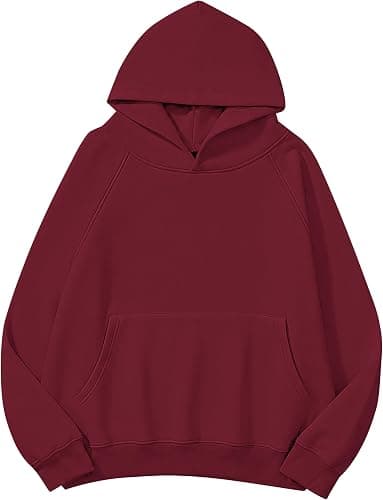
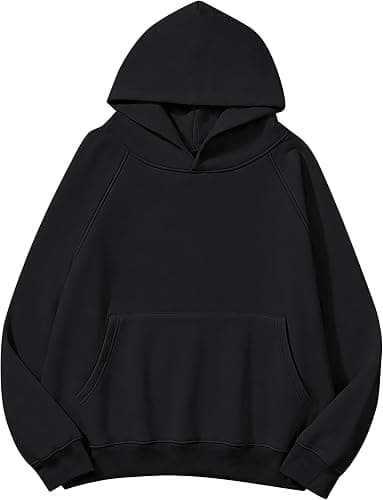
Hoodies for Agencies: size splits
By The Velocity Wear Team
Sizes mix freely inside the 50-piece minimum, so an agency can order any curve it likes at no extra cost. The decision is what that curve should be. For a known group, collect actual sizes. For an unknown audience — giveaway stock, press kits, event handouts — weight the middle heavily and accept that the extremes will move slowly whatever you do.
How do you size a group you can survey?
Ask, but ask properly. A form that says small, medium or large produces guesses; a form that shows chest measurements in centimetres alongside the size names produces data. Publish the actual measurements of the garment you have chosen, because a 450 GSM oversized hoodie in a medium fits like a classic large and people will order the wrong one otherwise. Set a deadline on the form and order to whatever you have on that date. The general principles are set out in apparel sizing and fit.
Then add a small buffer of the two most common sizes rather than one of everything. Spare mediums get used. A spare 3XL sits in a cupboard for two years.
What do you do when you cannot survey anyone?
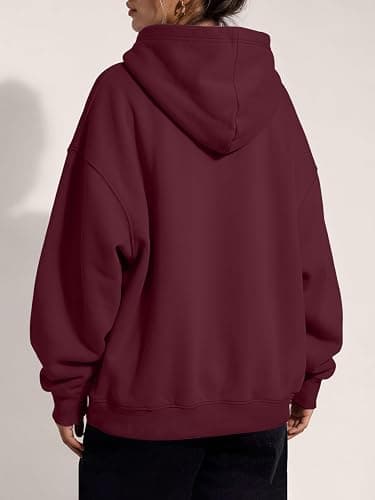
Giveaway and press stock is a different problem, because nobody has told you what they need. Weight it towards the middle of the range and stop the tails early. A useful starting shape for a mixed adult audience is a small tail at each end and the bulk concentrated across two or three central sizes. If the garment is an oversized cut, the curve compresses further, because oversized fits absorb a range of body sizes in fewer sizes — which is one reason streetwear-cut campaign hoodies leave less dead stock than classic-fit ones.
Should a client campaign order one fit or two?
One, in almost every case. Two fits means two designs, and two designs means two orders of 50, which doubles the minimum commitment and splits your quantity across tiers so the volume discount shrinks on both. It is usually better to pick one fit, publish its measurements clearly and let people self-select on size. The exception is a campaign where the garment is the deliverable rather than a giveaway, such as retail-facing merchandise, where a second fit may genuinely sell.
How does the size split interact with the budget?
It does not change the per-piece price — a 3XL costs the same as a small — but it changes the total quantity you need. If you are trying to reach a discount tier, the right question is whether ten extra mid-sizes would push you across a break, because the extra pieces can cost less than the saving they unlock. The tier structure and how it moves the per-piece figure is explained in hoodies for agencies: cost.
What should you do with the leftovers?
Plan for them before the campaign rather than discovering them afterwards in a stock cupboard. A hoodie without a date, an event name or a campaign strapline on it can be redeployed: given to new client-side staff, used at the next activation, or held as stock for the account. A hoodie that says March 2026 across the chest has exactly one use and becomes waste the moment the campaign closes. That single artwork decision is worth more to an agency than any negotiation on price, because it turns surplus from a write-off into inventory.
Where a date genuinely has to appear, keep it small and on a sleeve or a hem label rather than across the front panel, so the garment still reads as wearable once the moment has passed.
Available fits, from classic through oversized, are listed on the wholesale hoodies page, and the corporate apparel page covers how sizing is handled when a client wants hoodies, polos and uniform on one order.