Hoodies for Agencies: samples
By The Velocity Wear Team
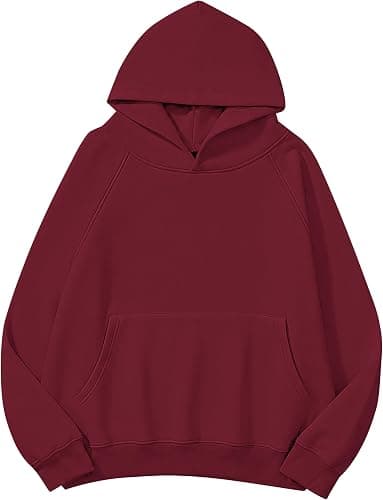
A hoodie sample is £150, credited against the bulk order, and it is the single most useful thing an agency can put in front of a client. It turns an abstract approval into a physical one: the client holds the weight, sees the thread colour against the brand palette, and signs off a garment rather than a mockup. Approval on the sample is what starts the 10 to 15 working day production window.
Why does a sample change the client conversation?
Because clients do not reject renders, they reject deliveries. A mockup gets approved quickly and then generates a complaint when the boxes arrive and the grey is warmer than the brand grey, or the fleece is lighter than the client imagined. A sample moves that complaint forward in the schedule, to a point where it costs a revision rather than a reprint of 250 garments. It also protects the agency: a signed sample is evidence of what was agreed. The limits of judging apparel on screen are covered in AI mockups vs physical samples.
What should the sample be specified as?
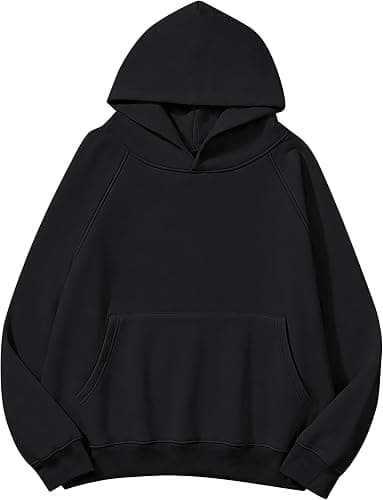
Make it the garment you intend to ship, not a convenient approximation. That means the final weight between 280 and 450 GSM, the final fit, the colourway the client is most nervous about, and the decoration in the method and position agreed. If private label elements are part of the deal — a woven neck label, a tear-out label, a swing tag — ask for them on the sample too, because label production runs separately from garment decoration and it is the element most often forgotten until the bulk arrives without it.
How should an agency run the approval itself?
Treat it as a meeting with an outcome, not an email with an attachment.
- 1Check the sample yourself first, against the specification sheet, before the client sees it
- 2Photograph it in neutral light so there is a record of what was approved
- 3Put it in front of the decision maker in person if the colour is contentious
- 4Get the approval in writing on a named date and freeze the artwork from that point
- 5Keep the sample in the office as the reference for the delivery and any reorder
Does the sample fit inside a campaign timeline?
Only if you plan for it. Sampling needs production time and shipping to you, and the bulk lead time of 10 to 15 working days does not begin until after approval. On a tight campaign the sample is the first thing that gets cut, and it is usually the wrong thing to cut. If the date genuinely cannot absorb it, at least fix the garment specification against a stock reference and get colour references agreed in writing. The full backwards-planning method is in hoodies for agencies: lead time.
Can a sample settle a sizing argument?
Partly, and it is worth understanding the limit. A single sample tells you how one size in one fit actually measures, which is genuinely useful because hoodie fits vary enormously — an oversized medium can wear like a classic large, and clients who have only seen a size name will assume otherwise. What the sample cannot do is tell you how a whole group will order. For that you still need flat measurements published against each size and a collection form with a deadline on it.
Where the sample earns its keep is in stopping the argument before it starts. Put the garment on someone of known size, photograph it, and circulate that alongside the measurement chart. It converts an abstract conversation about fit into something people can judge, and it markedly reduces the number of pieces that end up unworn.
One sample answers for one garment specification. Change the weight or the fit and the answers change with it, which is also why the size question needs settling before sampling rather than after — see hoodies for agencies: size splits. Weights and from-prices are listed on the wholesale hoodies page, and multi-garment client programmes are covered on the corporate apparel page.