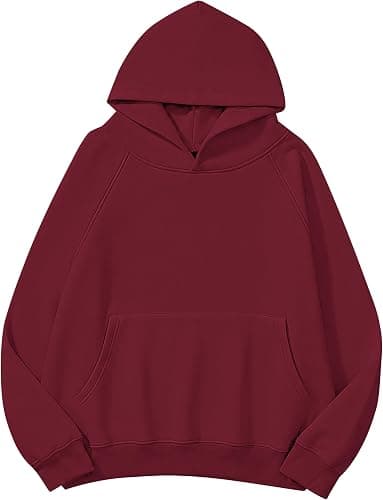
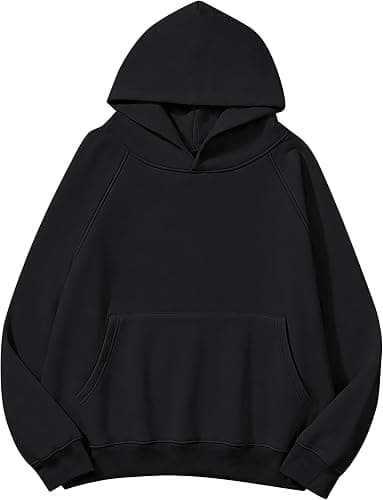
Hoodies for Agencies: lead time
By The Velocity Wear Team
Hoodie production runs 10 to 15 working days from artwork approval, with delivery transit on top. The phrase that matters there is artwork approval — the clock does not start when the purchase order lands, it starts when the final files are signed off. For an agency, most of the schedule risk sits in the weeks before that, not in the factory.
What happens before the clock starts?
Four steps, each of which can stall. Artwork has to be supplied in a production-ready format, which for embroidery means digitising and for screen printing means separated colours. The garment specification has to be fixed: weight, fit, colourway, decoration position. If a sample is involved, it needs producing, shipping, inspecting and approving. And the client needs to say yes in writing, which on a brand account can mean a legal or brand-guidelines review that nobody put in the plan. Count those weeks honestly. The general shape of a production calendar is covered in apparel production lead times explained.
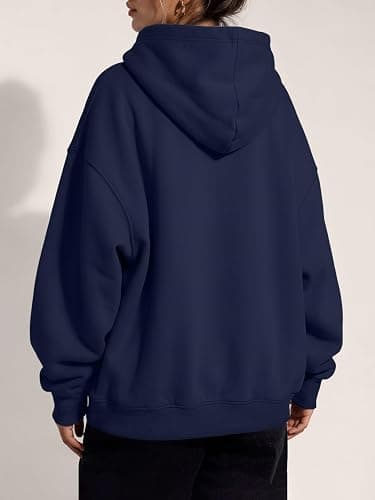
How should an agency plan backwards from a launch date?
Start at the date the hoodies need to be in the room and work back. Subtract delivery transit to the destination. Subtract 10 to 15 working days of production. Subtract the sample loop if you are running one. Subtract your own client approval cycle. Then add a buffer, because the one part of this you cannot control is the client changing their mind about a colour in week two.
- 1Fix the in-hand date and the delivery address, including whether it is a venue with a receiving window
- 2Work back through transit, then production, then sampling, then internal approval
- 3Place the order at the earliest date the artwork can realistically be final
- 4Freeze the artwork on that date and treat later changes as a new timeline
What actually causes a hoodie order to run late?
Almost never the production line. It is artwork supplied at the wrong resolution, a Pantone that was never specified, a size curve that arrives three days after the order, or a client who approves the front print and then asks about a sleeve print. Each of those resets the approval date, which resets the 10 to 15 working days. The agencies that hit their dates are the ones that treat artwork approval as a hard milestone with a name against it rather than a step that happens whenever the files are ready.
What about seasonal peaks?
Autumn and the run-up to December are the busiest window for hooded garments, and that is exactly when agency campaigns cluster. Order earlier than the stated lead time suggests you need to, because transit slows at the same time production is busiest. The specific December trap — staff gifting that gets booked in November — is set out in Christmas staff gifts and the real deadlines.
What can run in parallel?
More than most schedules assume. Size collection does not need to wait for artwork sign-off, and artwork preparation does not need to wait for the client to finish arguing about the garment colour. Sample production can begin as soon as the specification is agreed even if the final artwork placement is still moving, provided you are sampling the garment rather than the decoration. Private label elements — woven labels, swing tags — have their own production path and can be started early, which removes the most common cause of a bulk delivery arriving without them.
Map those strands on one page at the start of the job. An agency that runs them sequentially will need four or five weeks in front of production. One that overlaps them can often get to artwork approval in half that.
Weights, fits and from-prices are on the wholesale hoodies page, and if the campaign runs across several garment types for the same client, the corporate apparel page explains how those lines are scheduled together.