Corporate Uniforms for Schools, Ordered Properly
By The Velocity Wear Team
A school order works backwards from a date that will not move. Settle the garment, the decoration and the name list, then count back 10 to 15 working days of production plus transit from the day you need boxes in reception. Staff kit and leavers garments are separate designs, each with its own fifty-piece minimum, and each needs its own size list.
What does a school uniform order need to settle first?
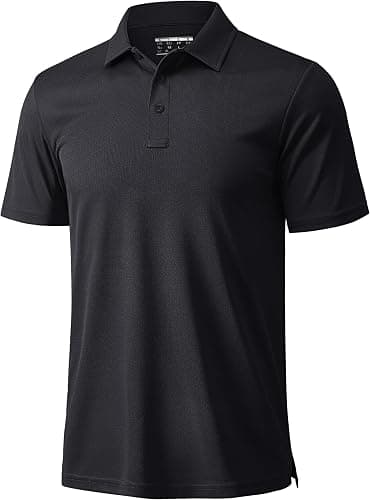
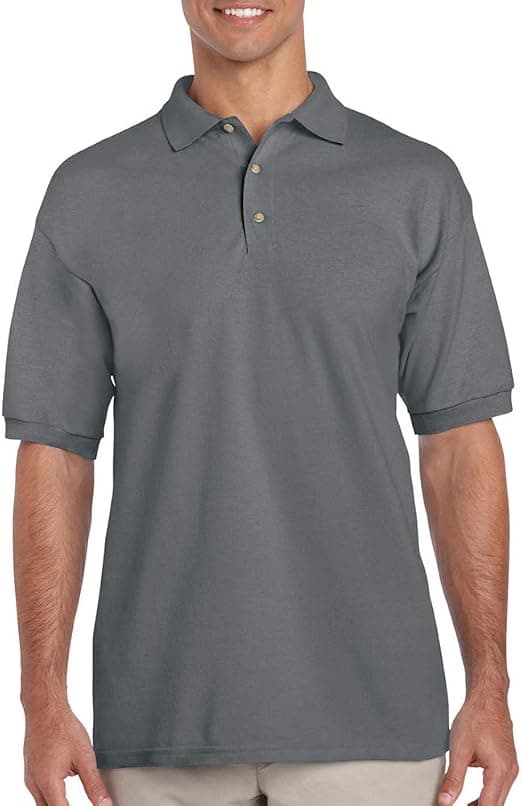
Which garments, in which colours, with which crest treatment. Shirts, polos, aprons and outer layers can run as one programme through our wholesale uniforms page, but every distinct design counts separately against the minimum, so a polo for support staff and a polo for PE staff in a different colour are two orders of fifty rather than one of a hundred.
Get the crest artwork out of the way early. School marks are often detailed, and detail behaves differently in stitch than it does on a screen; simplifying it once, properly, is better than discovering the problem at approval. Embroidery suits a crest on a polo or a fleece, and a print suits a large leavers design.
How do term dates set the order date?
Leavers garments have to be in hand before the last week of term, and there is no version of that deadline that flexes. Work backwards: the handout date, then delivery transit, then the production window of 10 to 15 working days from artwork approval, then the time it takes a school to collect sizes and get a purchase order signed. That last stage is usually the longest.
For staff kit, the natural point is ahead of the autumn term so new starters arrive to a stocked cupboard. Autumn term apparel planning for schools sets out the wider calendar, and the schools and leavers page covers what we produce for both sides of the order.
Where do leavers garments sit against staff kit?
They are a different job with different rules. Leavers garments are usually one design with a name list printed or stitched on the back, they are bought once and worn constantly, and they matter to the people receiving them in a way a staff polo does not. Staff kit is a repeating programme with a cupboard and a size curve.
Keep the two budgets separate for that reason, and be clear which one the sample belongs to. A £150 sample, credited against the bulk order, is money better spent on the garment students will keep for years than on the one the office reorders every autumn.
How do you handle name lists and sizing across year groups?
Close the list before artwork approval and say so in the message that goes out, because a name added after approval is a change that restarts the production window. One spreadsheet, one owner, one closing date. For sizing, letters alone cause arguments across year groups, so circulate measurements and let families check against a garment they already own.
Order a handful of spares in the middle sizes inside the fifty. Something always needs swapping, and the alternative is a second run of fifty for one student. Corporate uniforms start at $20 a piece and polos at $18, with sizes mixed freely, and the pricing page shows how the tiers move if the school orders across several year groups at once.
Build the approval chain into the timeline as its own stage. A school order usually needs a budget holder, sometimes a governor, and always a purchase order number, and none of those move at the speed of an email thread. Ask early what the sign-off route is and how long it takes in practice rather than in policy. The production window is fixed and predictable; the internal paperwork is neither, and it is almost always the reason a leavers order becomes urgent. Getting the paperwork started before the artwork is finished costs nothing and buys the schedule a fortnight.