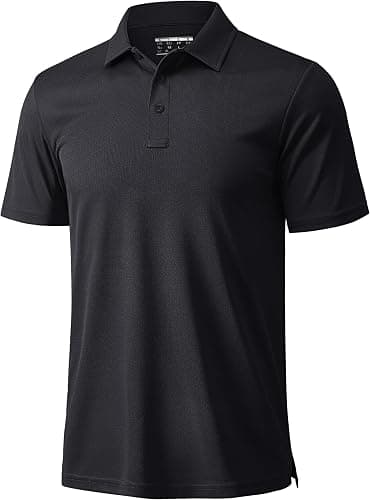
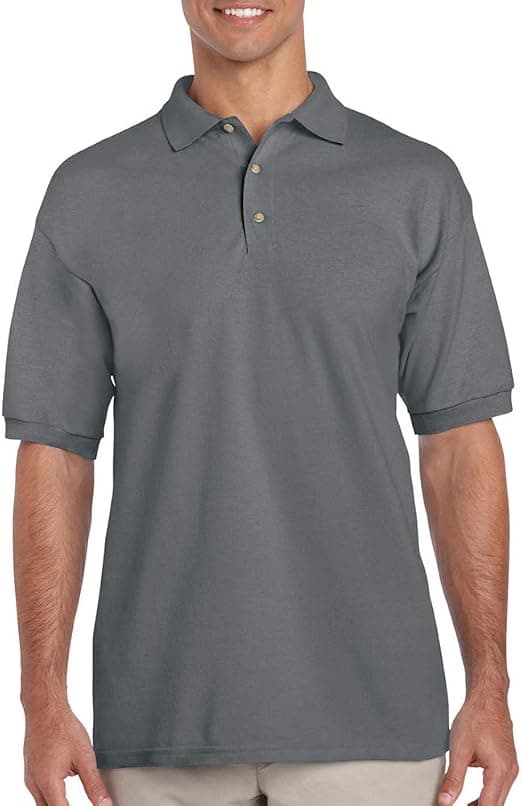
Retailers: Ordering Corporate Uniforms in Bulk
By The Velocity Wear Team
Retailers buy uniforms on two clocks at once: the staff programme that has to last a trading year, and, for resellers, stock that has to sell through at a margin. Corporate uniforms start at $20 a piece at 50, falling by up to 35% at the highest tier, so the buying decision is mostly about how deep you can commit in one run.
What margin does a resale programme need?
Work the margin from the tier you will actually order, not the one on the far right of the table. A reseller committing to 250 pieces is in a different place from one testing 50, and pricing the retail line off the 1,000-piece number before you have sold anything is how a programme ends up underwater on its second run.
Keep decoration cost in the model too. A single-colour stitched mark and a six-colour back print sit at very different points, and the difference compounds across a few hundred units. The wholesale overview sets out the full product range, and choosing blank garments for printing is a good check on whether the body you have picked suits the decoration you have in mind.
How deep should the size curve run?
Retail size curves fail in one of two directions: too flat, and you are left with extra smalls nobody wanted; too narrow, and you turn away a customer in the size you skipped. A weighted curve concentrating on the middle three sizes, with a shallow tail either side, sells through more cleanly than an even split across six sizes.
- Weight the middle: the two or three central sizes usually carry the bulk of a run.
- Keep the tail shallow rather than absent, so the range is complete without being overstocked.
- Record what actually sold, size by size, and let that reshape the next order rather than repeating the first guess.
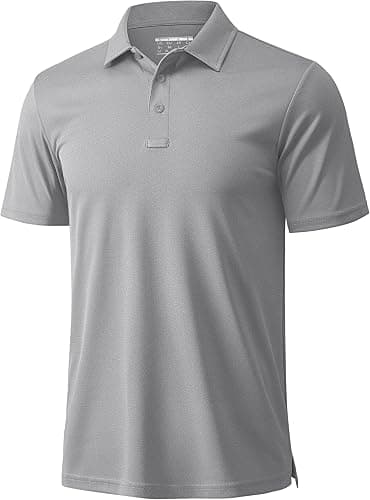
How often should a retailer restock?
Twice a year suits most programmes, timed so the order lands before the two seasons when staff numbers rise. Production runs 10 to 15 working days from artwork approval and transit follows, so a restock has to be placed roughly six weeks before you need it on the floor. Retailers who restock reactively, when the stockroom runs dry, always end up paying for the smaller tier.
Holding approved artwork on file is what makes a restock straightforward: the same setup runs again without the design stage repeating. Planning the size split for the second run is covered in size splits for a bulk uniforms order.
What does the landed cost include?
The per-piece figure covers the garment and its decoration at your tier. Sitting outside it are delivery transit to your location, any private label extras such as custom woven labels, tear-out labels or swing tags, and the £150 sample if you take one before committing — that fee is credited against the bulk order afterwards.
Invoicing is available in seven currencies and delivery covers the UK, the USA and Europe, which matters for a reseller running stock into more than one market. Build the transit window into the retail launch date rather than the production date, since that is the number your floor staff are waiting on. The corporate uniforms range lists what can be specified as one programme.
One habit separates programmes that improve from ones that repeat the same mistake, and it costs about ten minutes at the end of a season: write down what actually happened. Sell-through by size. How long the restock really took from order to shop floor. Which sizes ran out first and which never moved at all. That record is worth more to the next buyer than any forecast, and without it every order is the first order again, with the size curve staying a guess long after it could have become a measurement.