Size Splits for a Bulk Corporate Uniforms Order
By The Velocity Wear Team
Sizes can be mixed however you like inside a 50-piece run, so the split is entirely a planning decision. Collect measured sizes with one form and one deadline, weight the order towards the middle of the range, and add a small spare pool in the sizes that turn over fastest. Getting this right is what stops a correct order feeling wrong on arrival.
How do you collect sizes without chasing people?
One form, one closing date, one person responsible. Sizes gathered by asking around get recorded twice, missed entirely, or changed after the order goes in. Publish a chart with actual measurements next to the letters, because staff who pick by habit will pick the size they wore five years ago.
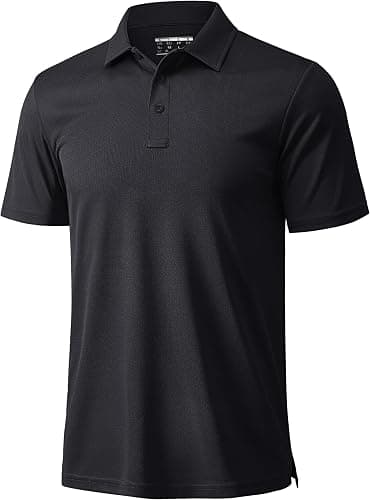
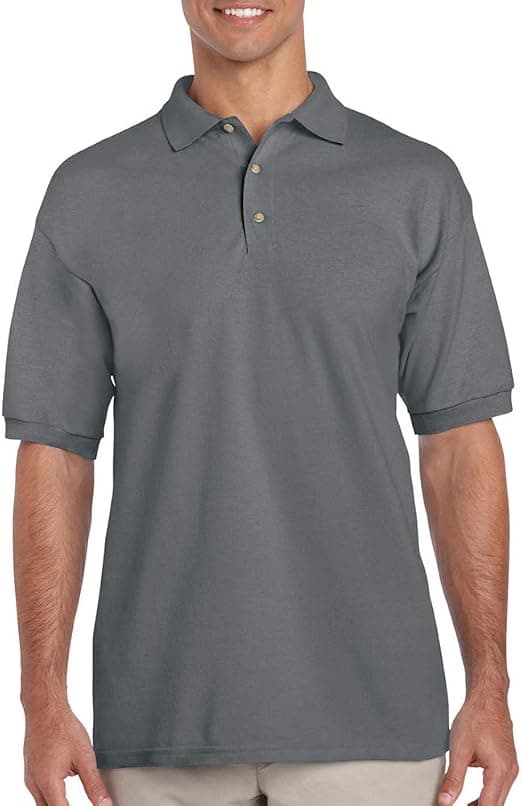
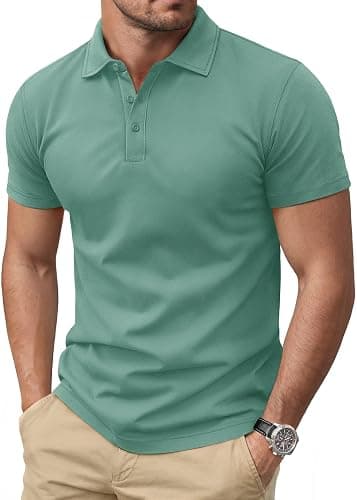
Where a garment shape is unfamiliar — a fitted polo, a cross-back apron, a structured outer layer — get one physical piece in front of the team before the form closes. A £150 sample, credited against the bulk order, settles more sizing arguments than any chart. The detail of what to check is in apparel sizing and fit.
What does a sensible split look like?
Almost every real staff order clusters in the middle, with a shallow tail either side. A split that runs evenly across six sizes looks fair on a spreadsheet and leaves extra smalls in a cupboard for two years. Weight the centre, keep the tail present but thin, and use your actual measured list rather than an assumed curve wherever you have one.
- Build from the measured list first, then round up to the run quantity.
- Weight the extra pieces towards the two or three central sizes.
- Keep the outer sizes stocked shallowly rather than skipped, so nobody is left out.
- Record what was issued, size by size, so the next order starts from evidence.
Should you order spares, and how many?
Yes, and the number to aim at is roughly the number of people you expect to join before the next order plus the pieces you expect to lose to damage. For most teams that is somewhere between five and fifteen per cent of the run. A spare pool is far cheaper than a second order, since a small top-up run still has to meet the 50-piece minimum for that design.
Store spares somewhere the manager can reach without asking, and log what leaves. A spare cupboard nobody tracks ends the year empty in every useful size and full in the two nobody wears.
Do men's and women's cuts count separately?
If they are genuinely different garment bodies, yes — that is two designs and two runs of 50. Many programmes avoid the problem by choosing a unisex body with a size range wide enough to work for everyone, which keeps one design and one minimum.
Where separate cuts genuinely matter, the combined quantity still counts towards the pricing tier, so 50 of each sits in the 100 to 249 band rather than being priced as two entry-level orders. How the minimum applies across designs is set out in minimum order for wholesale uniforms, garment options are on the uniforms range, and the tiers are listed on the pricing page.
Whoever runs the issue process should also decide what happens to garments handed back. Pieces returned in good condition can go into the spare pool; pieces that are finished should come off the count so the next order reflects what is genuinely in circulation. Teams that skip this end up with a stock figure on paper bearing no relation to the cupboard, which is how an order gets placed for a quantity nobody needed. Ten minutes with the pile once a quarter keeps the number honest, and it means the next order starts from a count rather than an assumption.