Corporate Uniforms for Hotels, Ordered Properly
By The Velocity Wear Team
Hotel uniforms are bought by rotation, not by headcount. Plan on three garments per person for anything that goes through a daily laundry cycle, which means a forty-person property is comfortably past the 50-piece minimum on its first line alone. Corporate uniforms start at $20 a piece, and production takes 10 to 15 working days once artwork is signed off.
How many uniforms per head does a hotel need?
Three per person is the working figure for guest-facing roles: one being worn, one in the wash, one on the shelf. Back of house sometimes runs to four because the turnaround is harder to predict. Housekeeping and kitchen sit at the top of that range; concierge and reception, where the garment picks up less, can run at two plus a small spare pool.
That multiplication is why hotels rarely struggle with the minimum. Fifteen housekeepers at three pieces each is 45, and a handful of spares in the sizes that turn over fastest takes it past 50 without padding the order. The uniforms page lists the garment types available as one programme.
Which departments should share a garment?
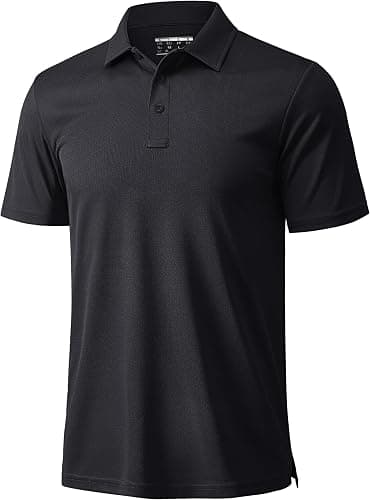
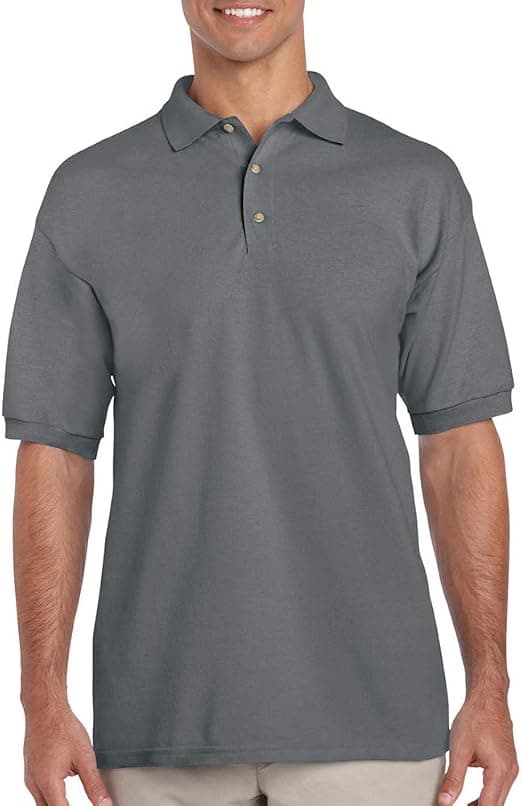
Sharing a base garment across departments is the single biggest lever on cost, because every design carries its own minimum. A hotel that puts reception, concierge and food service in the same polo body, separated only by colour of trim or by a different embroidered department line, is running one design where it might have run three.
Be careful with colourways, though. A second colour that needs its own screens counts as its own 50. Where the split has to be visible, the cheaper route is usually one garment colour and a different decoration, not a different garment colour.
How does laundry change the specification?
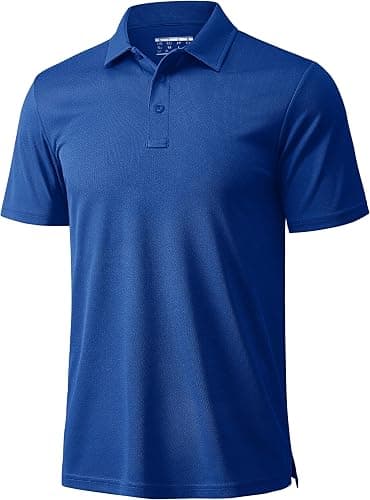
Industrial washing at high temperature is harder on a garment than anything a member of staff will do to it. It pushes hotels toward blends over pure cotton for shape retention, toward stitched decoration over anything with a heavy hand feel on the chest, and toward mid and darker tones that hide the grey cast that repeated hot washing eventually brings. Weight is set per programme rather than off a shelf figure, and confirmed on the sample.
The linen side of the property works the same way. Towels are quoted per job rather than off a list price, and most properties order them on the same schedule as the uniform rotation so the whole refresh lands together — the towels range covers that side. Colour consistency between runs matters here more than in most sectors, which is why colour matching is worth reading before the first order is placed.
When should a hotel place the order?
Work back from the season, not from the day the current kit gives out. Production is 10 to 15 working days from approval, delivery transit sits on top, and the proof and sizing rounds before approval usually take longer than either. A property refreshing for a summer season should have artwork agreed by early spring. A £150 sample, credited against the bulk order, is the sensible first step if the fabric is new to the property.
Order in a single run where you can. Splitting a rotation across two orders months apart introduces exactly the dye-lot variation guests notice on a reception desk where two people stand side by side. If a phased order is unavoidable, the fabric choices discussed in choosing fabric for wholesale uniforms will tell you which materials hold their colour best between runs.
One more decision is worth settling before the count: who owns the garments. A property that issues kit and takes it back when someone leaves runs a smaller rotation than one where staff keep what they are given, and across a year that difference is big enough to move the order into a different pricing band. Write the policy down, tell the department heads what it is, and have the housekeeping office log what goes out. A rotation nobody tracks quietly disappears, and the replacement order always becomes urgent at the worst point in the season.