How Gyms Buy Corporate Uniforms Wholesale
By The Velocity Wear Team
A gym uniform programme is usually built from one core garment plus a layer for cold mornings, ordered fifty pieces per design from $20 a piece upward. Staff wear kit on shift and wash it daily, so durability of the decoration matters more than the garment count. Members buying merch are a separate design and a separate fifty.
What does a gym uniform programme include?
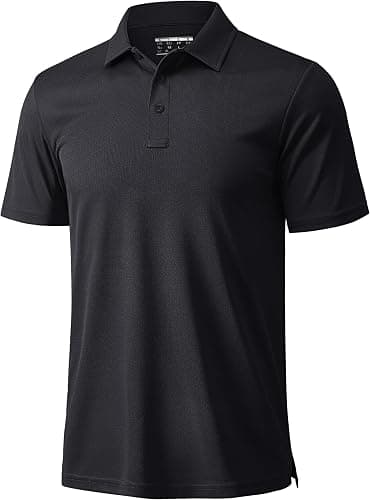
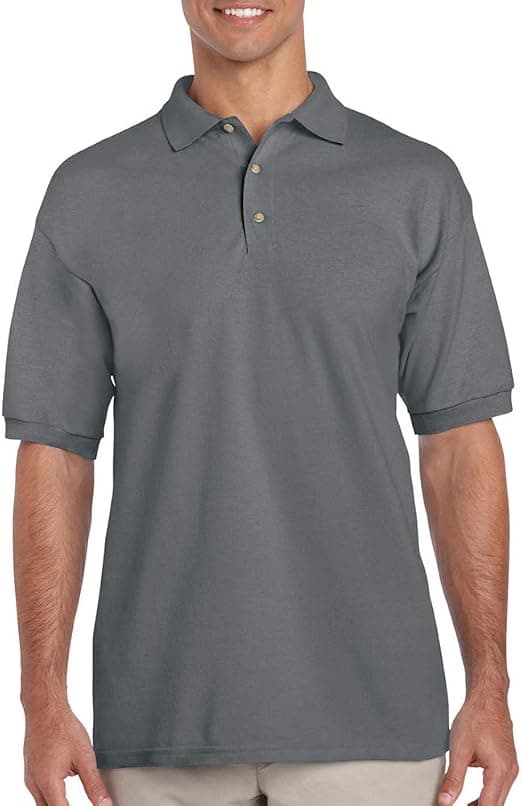
Most studios settle on a branded polo or tee for floor staff, an outer layer for early openings and outdoor sessions, and something smarter for reception if the front desk is the first thing members see. Shirts, polos, aprons and outer layers can all run as one programme, which our wholesale uniforms page sets out, but each design carries its own fifty-piece minimum.
That minimum is the fact to plan around if your headcount is twelve. Twelve people in one design is still an order of fifty, which is why gyms usually pick fewer designs and order more of each rather than kitting every role differently. Three or four garments per person out of a single fifty is a working wardrobe.
How does constant washing shape the spec?
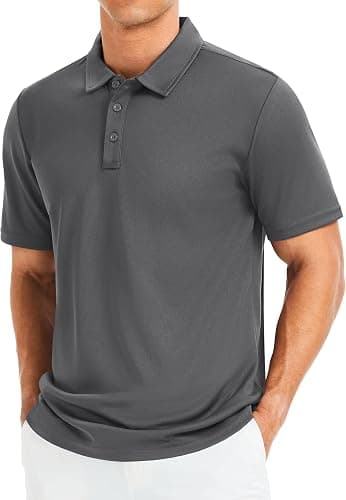
Gym kit goes through the machine after every shift, which is a harder life than office wear and a much harder one than event kit. Embroidery survives that cycle better than anything else, because the mark is stitched rather than sitting on the surface. Where a print is the right look, the method matters: we run screen printing, DTF and sublimation, and they wear differently.
Colour is the other washing decision. Pale garments on a gym floor pick up everything, dark garments show sweat, and mid-tones tend to survive the longest in the photographs your members take. The gyms and fitness page covers what we typically supply for studio teams.
What does fifty pieces buy a studio?
Corporate uniforms start at $20 a piece, polos at $18, tees at $13 and caps at $12, all at the fifty-piece minimum with sizes mixed freely. For a team of ten or twelve that is a genuine wardrobe rather than a token order, and it leaves stock in the cupboard for new starters instead of triggering a second run every time someone joins.
If the studio grows into larger orders, the tiers do the rest: 50–99, 100–249, 250–499, 500–999 and 1,000 upwards, with up to 35% off the fifty-piece price at the deepest end. The pricing page shows how that ladder works in practice.
How do you keep new starters in kit?
Hold spares in the middle sizes and log what goes out. Gyms have turnover, and a programme that requires a fresh order for every hire becomes a programme nobody maintains. Ordering the fifty with that in mind means the cupboard covers the next six months of joiners without anyone opening a quote.
It also helps to fix the spec in writing so the second run matches the first: garment, colour, decoration position and size curve. Staff notice when the newest hire is wearing a slightly different shirt, and the principles in how to design corporate uniforms staff actually wear apply as much to a gym floor as to an office.
Outdoor sessions are worth a thought at the ordering stage rather than in January. Studios running bootcamps or car park classes need a layer coaches will actually put on, and caps at $12 a piece are a common addition for summer sessions where the alternative is a coach squinting through a class. Both are separate designs against the minimum, so decide early whether they belong in this order or the next one. What does not work is buying them in a panic when the weather turns, because production plus transit means the kit arrives after the season that needed it has passed.