How to Design Corporate Uniforms That Staff Actually Wear
By The Velocity Wear Team
Need this made?Get pricing for this product— free, no obligation, 50 pieces minimum.
Every business that has ordered uniforms knows the quiet failure mode: boxes arrive, garments get handed out, and within a fortnight half the team is back in their own clothes with a branded polo balled up at the bottom of a locker. A uniform that nobody wears is worse than no uniform at all — you’ve paid for it, your branding is invisible, and you’ve signalled to staff that their comfort wasn’t a priority. Designing workwear people actually wear is less about the logo and more about respecting the human inside the garment. This guide walks through the decisions that separate a uniform staff embrace from one they quietly resist.
Start with the job, not the look
Before you choose a single colour, map what the wearer actually does all day. A receptionist who sits in an air-conditioned lobby has completely different needs from a warehouse picker, a barista on a hot line, or a field engineer moving between a cold van and a warm plant room. Designing one garment for all of them guarantees that most people are uncomfortable most of the time, so group roles into two or three profiles and design for each.
- List the core tasks each role performs — standing, lifting, typing, driving, client-facing — and note the temperature and environment.
- Identify the deal-breakers: a chef needs heat tolerance, a driver needs freedom across the shoulders, a host needs to look polished close up.
- Decide where layering matters, so people can adjust between a cold morning and a warm afternoon without breaking the look.
- Group roles into two or three “profiles” rather than forcing everyone into one identical garment.
Fit is the single biggest driver of adoption
Ask anyone why they stopped wearing a uniform and the honest answer is usually fit. Boxy unisex cuts flatten some bodies and swamp others. The fastest way to make a uniform feel like a punishment is to offer one shape and tell people to deal with it; the fastest way to win buy-in is to make everyone feel the garment was cut with them in mind.
- Offer genuine men’s and women’s cuts, not just a unisex block relabelled — the difference in shoulder, chest and hip shaping is felt immediately.
- Provide a wide size range including tall and plus options, so nobody is forced into something that pulls or hangs.
- Run a fit session with sample garments before you commit to a bulk order — let people try sizes on rather than guessing from a chart.
- Pay attention to sleeve length, collar comfort and waist rise; these small irritations are what make people abandon a garment.
Choose fabric people forget they’re wearing
Comfort lives in the cloth. A stiff, sweaty, scratchy fabric will be rejected no matter how sharp the design looks on a mood board. The goal is a garment that breathes, moves and washes well enough that staff stop noticing it — because the best uniform disappears into the day. Match the fabric to the role rather than buying one cloth for everyone.
- For active and warm roles, choose breathable blends or moisture-wicking performance fabric that manages sweat.
- For client-facing roles, prioritise fabrics that resist creasing and hold their shape across a long shift.
- Check the weight: too light feels cheap and shows everything, too heavy feels hot and restrictive — aim for the middle of the range.
- Confirm the fabric survives industrial or frequent home washing without fading, bobbling or shrinking out of fit.
Brand it with restraint
Branding is where good intentions go wrong. A logo plastered large across the chest, repeated on the sleeve, the back and the collar, turns staff into walking billboards and feels cheap to wear off the clock. Subtle, well-placed branding reads as more premium, and people are far happier to be seen in it.
- Lead with a small, clean embroidered or printed logo on the left chest — the most natural, professional placement.
- Add a discreet back-neck or sleeve mark only if it serves a purpose, such as identifying staff to customers.
- Match thread and print colours to your brand palette precisely, so the uniform looks designed rather than decorated.
- Keep one cohesive look across the range so a polo, a softshell and a cap clearly belong to the same family.
People wear a uniform they would have been happy to buy. Aim for that bar and adoption looks after itself.
Offer choice, then roll it out properly
Counter-intuitively, a small amount of choice increases compliance — when staff feel ownership over what they wear, they wear it more. Pair a short, controlled menu of options with a thoughtful launch, because even a well-designed uniform can flop if garments are simply dumped on desks with no explanation.
- Offer two or three approved tops and a couple of brand-approved colourways so people can dress for the weather and their preference.
- Include a comfortable layering piece for cold environments so nobody covers the uniform with a random hoodie.
- Explain the “why” and gather accurate sizes from a fit session before the boxes arrive, so day-one garments fit.
- Provide enough pieces per person to cover a week, set reasonable rules, and gather feedback after a month.
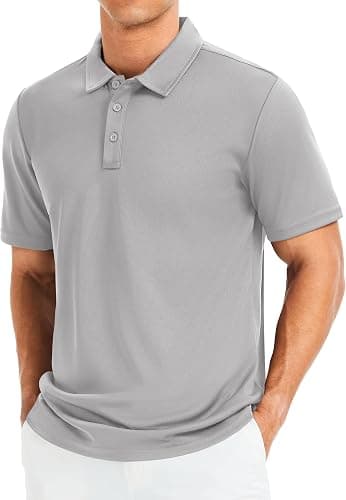
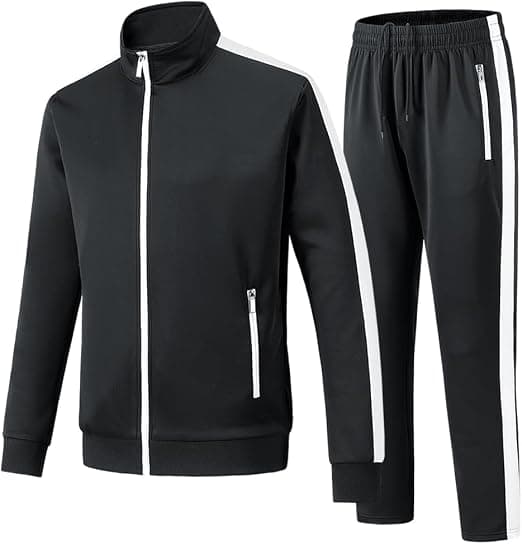
When you’re ready to move from plan to production, Velocity Wear manufactures custom corporate uniforms — polos, tees, softshells, caps and full workwear sets — with men’s and women’s fits, embroidery or print to match your brand, and a low 50-piece minimum that lets you trial before scaling. We ship tracked across the UK, USA, Europe and worldwide, and a free quote with size samples is the easiest way to get a uniform your team will genuinely wear.