Reordering Wholesale T-Shirts in Colour
By The Velocity Wear Team
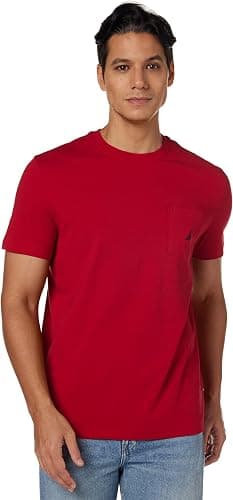
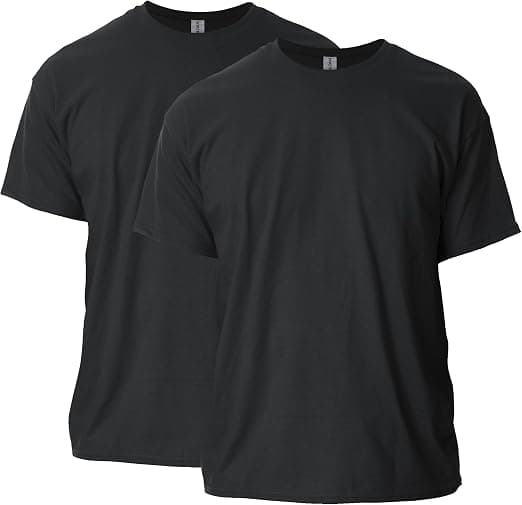
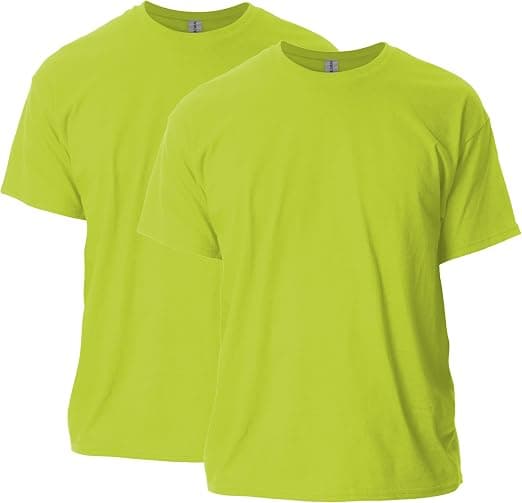
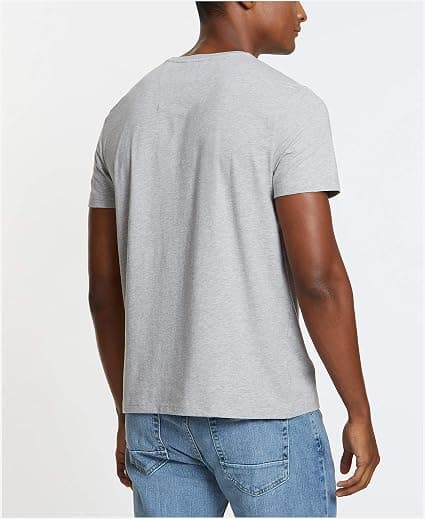
A reorder repeats the same artwork on the same blank, and it will be a very close match rather than an identical one. Garment dye lots shift slightly between batches, so a black is a black and a heather grey may be a shade off. Everything you control, the artwork, print size, position and thread colours, stays exactly as approved because the setup files are kept.
Will the second run match the first?
Close enough that nobody notices in isolation, and occasionally noticeable side by side. Dyeing is a batch process and cotton takes dye slightly differently from lot to lot. Strong solid colours hold consistently; heathers, pastels and anything with a marl are the ones where a difference can show. Print and thread colours are matched to the recorded reference, so the decoration is the stable part of the equation. The current range is on our wholesale t-shirts page and the tier prices are on the pricing page.
How do you avoid a visible mismatch?
Order the year in one run if you can, which removes the problem entirely and lands you in a better quantity tier at the same time. If you cannot, do not mix batches in the same setting: issue run one to one site or one season and run two to the next, so the two are never seen together on the same day. Keeping a piece from the first run as a physical reference is also worth doing, because it makes any conversation about colour concrete rather than descriptive.
Does a reorder cost less than the first order?
The unit price follows the same tiers as any other run: 50 to 99, 100 to 249, 250 to 499, 500 to 999 and 1,000 up, with up to 35% off the 50-piece price at the top. The saving on a repeat is not a discount but a removal of friction, because the artwork is already prepared and approved. The real cost lesson is that two runs of 50 both sit in the most expensive tier, while one run of 100 does not. What wholesale t-shirts cost shows how far that gap opens up.
When should you place the repeat?
At around sixty per cent sold or issued, not at zero. Production is 10 to 15 working days from approval plus transit, so a reorder placed on the day you run out leaves a month with an empty rail or a new starter in an unbranded shirt. For seasonal businesses, place the repeat before the season rather than during it, because everyone else is ordering at the same time. Lead times explained covers the timeline in detail.
What should you change between runs?
The size split, almost always. The first run tells you what actually moves, and repeating a curve that left you with eight extra smalls is a choice rather than an accident. Fabric weight is the other thing worth revisiting: if the first run was 150 GSM and the feedback was that it felt thin, moving up towards 240 GSM changes the perception of the product more than any artwork tweak. What you should not change casually is the garment colour, because that is the thing people will compare. Fabric and weight sets out the trade-offs.
What records make the next run easy?
Four things, kept somewhere that survives a change of staff. The approved artwork files, with the print width and position written on them. The garment colour reference and the weight you chose. The size split you ordered and what was left over at the end. And a physical piece from the run, kept in a bag rather than worn. Those four turn a reorder into a single email. Without them, a repeat starts with someone guessing which shade of grey it was, and a guess at that stage is how two runs end up looking like two different products.