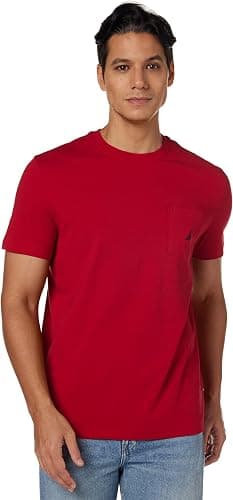
How Much Do Wholesale T-Shirts Cost?
By The Velocity Wear Team
Wholesale t-shirts start at $13 per piece at the 50-piece minimum, and the price falls as the run grows, by up to 35% at the largest tiers. The number moves with quantity far more than with how complicated your logo is. Fabric weight, decoration method and private label all adjust it, but the quantity break is the lever that changes the invoice most.
What sits inside the per-piece price?
Four things. The blank garment, which is combed ring-spun cotton between 150 and 240 GSM and costs more at the heavier end. The decoration, where a one-colour chest print is the least costly route and a large multi-colour front or a dense embroidery is the dearest. The setup, which is spread across the run, so it dominates at 50 and disappears at 1,000. And the finishing, meaning folding, bagging and any labels. Our wholesale t-shirts page carries the current from-price and the pricing page shows how the tiers step.
How much does quantity actually move it?
The tiers are 50 to 99, 100 to 249, 250 to 499, 500 to 999 and 1,000 and above, and the total reduction from the 50-piece price reaches up to 35% at the top. The step from 50 to 100 is usually the one worth chasing, because it is the smallest jump in commitment for a real change in unit cost. Going from 250 to 500 to chase a further break only pays if you will genuinely sell or issue the extra 250; unsold stock is more expensive than a higher unit price.
What is not in the per-piece price?
Delivery, duty into your market, and the £150 sample if you take one, though the sample amount is credited against the bulk order so it is not really an extra. Artwork preparation is included; artwork creation from scratch is a separate conversation. The thing buyers most often forget is the cost of the sizes they will not use, which is why a badly shaped size split quietly costs more than a slightly higher unit price. Size splits for a bulk order covers that.
How do you compare two quotes honestly?
Put them on the same line items. Same fabric weight, same fit, same number of print colours, same positions, same labels, same quantity, same delivery point. A quote that looks 20% cheaper is usually quoting a lighter blank or a single-position print where the other quoted two. Ask both suppliers for the landed per-piece figure at your actual quantity, and ask what the minimum is, because a low headline price at an unreachable volume is not a price. There is more on this in choosing a supplier.
Does decoration method change the cost much?
At small runs, yes. Screen printing carries a setup per colour, so a four-colour design at 50 pieces pays for four screens across only 50 shirts. DTF has no screen setup, which makes it cheaper at the minimum and less advantageous at 1,000. Embroidery is priced on stitch count, so a small clean mark is inexpensive and a large detailed crest is not. Pick the method for the artwork first, then see what it does to the number.
How much does private label add?
Less than most buyers assume, and it is applied inside the same run rather than as a separate job. Custom woven neck labels, tear-out labels, printed inside-neck marks, swing tags and individual poly bagging are all options on a 50-piece order and none of them creates a second minimum. Where they do cost you is time if woven labels have to be produced before the garments are finished, so raise them at the quoting stage. For anything being sold rather than issued, the label is the part of the spec with the best return on the money, because it moves the garment into a different price bracket without changing the shirt.