How Cafes Buy T-Shirts Wholesale
By The Velocity Wear Team
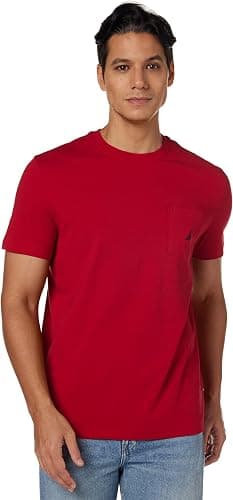
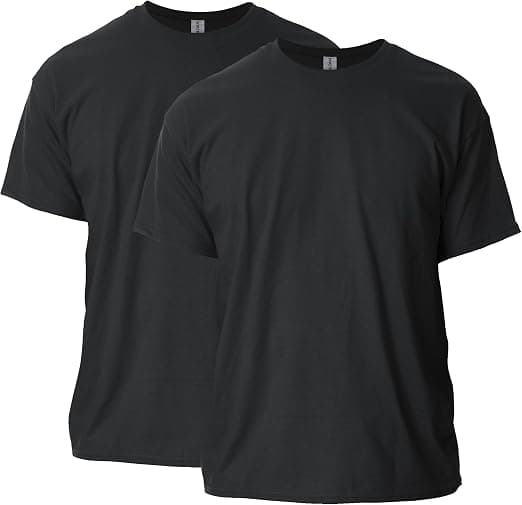
A cafe orders t-shirts at $13 a piece from a 50-piece minimum, and almost no independent cafe has 50 staff. That is fine. The 50 goes three ways: four shirts each for the team, a stack of spares for new starters and trial shifts, and the rest sold on the counter to regulars. Sizes mix freely inside the 50, so nothing is wasted on a size you will never issue.
Why order 50 when the team is eight people?
Because a cafe shirt is a consumable. Espresso grounds, milk splash, a bleach spot from the end-of-day clean: shirts leave the rota constantly, and a team of eight gets through more than you would guess in a year. Four shirts each is 32. Six spares in the sizes that turn over fastest takes you to 38. The last dozen are the ones that pay for the order, because a branded tee on the retail shelf sells at a multiple of what it cost you. Our wholesale t-shirts page shows the per-piece price, and the wider hospitality range covers aprons and the rest of the front-of-house kit.
Which fit works behind a counter?
Regular fit, almost always. A boxy tee looks right on a retail rail and wrong reaching across a pass, because the shorter body rides up every time an arm goes above shoulder height. Keep boxy for the shirts you sell and regular for the shirts you issue. That is a single design decision, not two orders, as long as the print is the same: a regular and a boxy version of one artwork are separate garments, so they are separate runs of 50.
What weight survives a coffee shift?
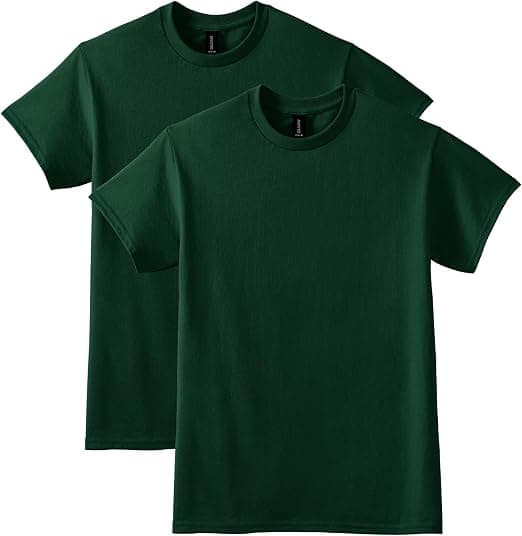
Our tees run 150 to 240 GSM in combed ring-spun cotton. For cafes the middle of that band is the sweet spot. Too light and steam wand heat plus a hot room makes the shirt transparent by mid-afternoon; too heavy and nobody wants to wear it in summer. The combed yarn matters more than the number: it is what stops the fabric going fuzzy around the apron strap line after a month of daily washing at 60 degrees.
Should the logo be printed or embroidered?
Print for anything with detail or more than three colours. Embroidery for a small chest mark you want to look considered, and for shirts you are selling rather than issuing. Embroidery also survives repeated hot washes better, because there is no ink film to crack. The trade-off is that fine type under about 5mm tall closes up in stitch, so a logo with a strapline usually needs the strapline printed or dropped. We compare the two in print against embroidery.
What happens when someone leaves?
This is the reason to over-order rather than reorder. A second run is another 50 pieces at the minimum, so a cafe that buys exactly enough for today is buying 50 more shirts the first time three people leave in a month. Sizing spares heavily towards M and L covers most new starters, and the shirts keep in a box indefinitely. If you do need a second run, the timeline is 10 to 15 working days from artwork approval plus transit, and the artwork is already set up from the first order. How the minimum splits across sizes covers the arithmetic.
What does the order look like written down?
Keep it to one page and it will come back right. Garment: cotton tee, regular fit, weight chosen from the 150 to 240 GSM range. Colour, named rather than described. Size split, piece by piece, adding to 50. Decoration: method, position measured from the shoulder seam, width in centimetres and the ink or thread reference. Labels and bagging if you want them. Delivery address and the date you need it on the counter. That page is what the proof is checked against, and it is also what you hand to whoever places the second order after you have moved on.