Sampling Jackets & Outerwear Before a Bulk Order
By The Velocity Wear Team
A jacket sample costs £150 and that fee is credited against the bulk order when you place it. You get one finished garment in the style, fabric and colour you intend to buy, carrying your decoration, so you can judge weight, fit and branding before committing to fifty. Build the round trip into your schedule, because it sits ahead of the production window rather than inside it.
What does the £150 sample get you?
A real garment made to your specification rather than a stock blank with a sticker on it. That distinction matters on outerwear, where the questions buyers actually have are physical: how heavy is it, does the zip feel cheap, how does the embroidery sit on a quilted panel, is the shade the one you meant. The fee is credited back against the bulk order, so for anyone who goes on to buy, sampling costs time rather than money. Samples are chargeable in every case, which keeps the process serious on both sides.
What should you check on the sample jacket?
- 1Weight and drape in the hand, against whatever you are comparing it to.
- 2Fit over a mid-layer, not over a bare shirt, since that is how it will be worn.
- 3Decoration up close: edge quality, registration, and whether the panel behind it has pulled.
- 4Zips, poppers and drawcords worked a dozen times rather than once.
- 5Shade in daylight, not under office lighting, and against your reference if you have one.
Wash it as well, if the jackets are going to staff who will wash them. The finish on a treated shell and the hand of an applied transfer both change after a cycle, and finding that out on one garment is considerably better than finding it out on fifty. A render cannot tell you any of this, which is the argument made in AI mockups versus physical samples.
How long does sampling add to the schedule?
Enough that it has to be planned rather than squeezed in. The sample is made, shipped to you, inspected, and then bulk artwork is approved and the 10 to 15 working day build begins. If you are working to a fixed date, add the sample round trip to the front of the plan at the same time as you add transit to the back. Buyers who leave sampling until the deadline is close end up skipping it, which defeats the purpose. The timeline for the run itself is set out in how long bulk jackets take to make.
When can you skip sampling?
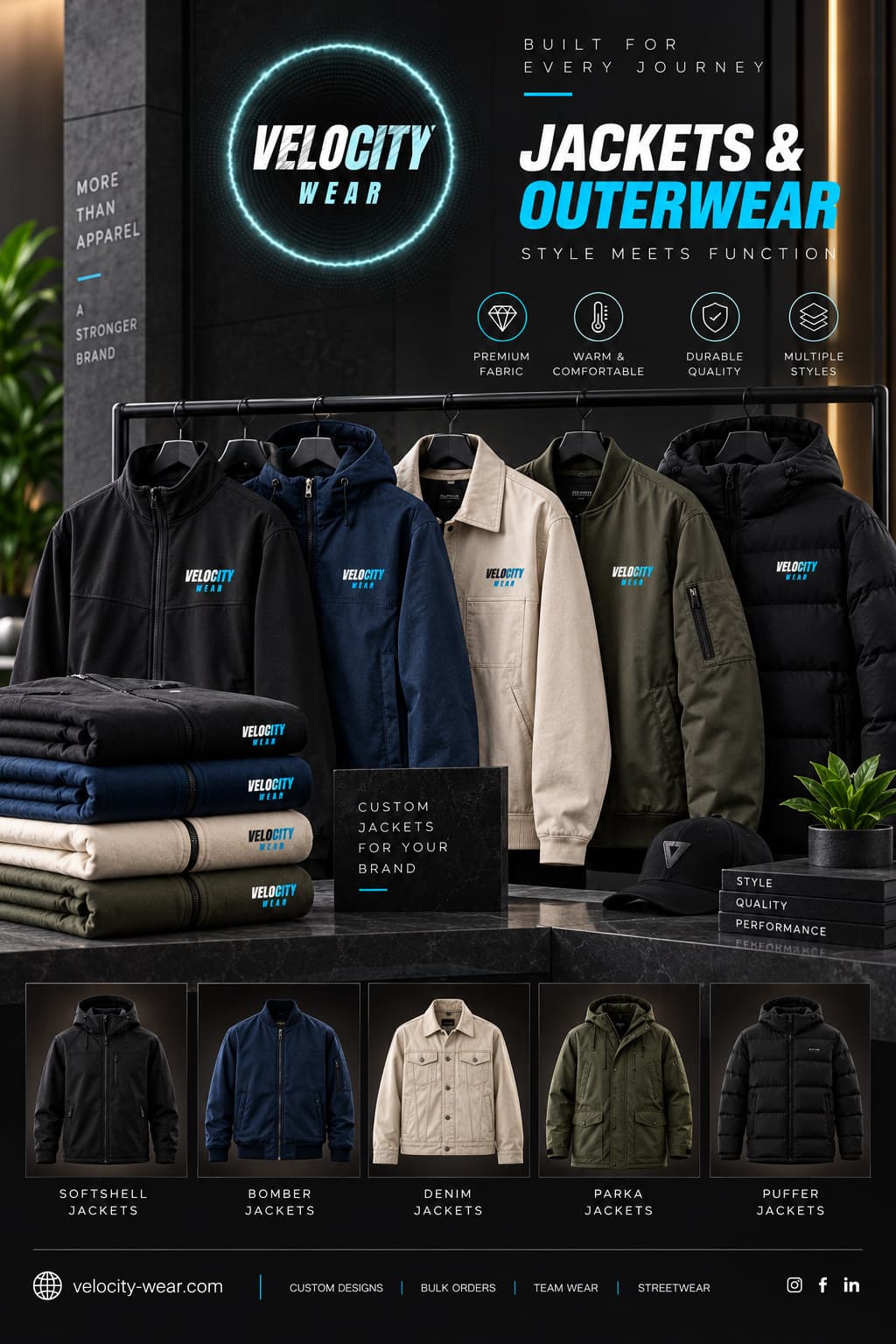
When the risk is low and the deadline is tight. A repeat of a style you have already bought, in a colour you already hold, with a logo that has not changed, does not need a new sample. Neither does a modest first order where the decoration is a single-colour chest mark on a style you have handled before. Sampling earns its keep when the order is large, when the garment is going to be sold rather than given away, when the fabric is unfamiliar, or when the decoration is doing something demanding on a padded shell. Details of the process sit on the jackets and outerwear page, and the quantity bands the credit applies against are on the pricing page.
What if the sample is not right?
That is the sample doing its job. Say precisely what is wrong, in measurements where you can, and the specification is adjusted before bulk. A logo 10mm too large, a shade half a step too warm or a fit that needs a size shift across the curve are all cheap problems at this stage and expensive ones afterwards. The point of the exercise is to move every argument to the front of the process, where changing your mind costs a conversation rather than a production run.