Wholesale Jackets & Outerwear for Sports Clubs
By The Velocity Wear Team
Club outerwear sells on identity: squad numbers, sponsor marks and a colourway that matches the shirt. That means artwork has to be settled before the season, not during it. Jackets are quoted per job, the minimum is fifty per design, and production runs 10–15 working days from the moment the artwork is approved.
How do squad numbers and names work on outerwear?
A number on a jacket is applied per garment, not as part of the run, so fifty numbered jackets are fifty small jobs sitting on top of one big one. DTF handles numbers on technical shells; embroidery suits a varsity chest. Decide the number set before the order, because adding a player in week three means a single garment at single-garment cost.
Names raise the same point twice over. Clubs that expect turnover usually number the jackets and leave the names off, so a shell can be reissued to a new player in September without being remade.
Where do sponsor logos belong?
Chest right, sleeve and upper back are the three positions a sponsor will accept, and the value drops in that order. Get written artwork from the sponsor rather than a logo pulled off their website: a low-resolution file forces a redraw, and a redraw needs their approval, which is the step that misses the season. The sports clubs page covers how the rest of a kit order fits around this.
If a sponsorship renews annually, keep the sponsor mark on something that can change without remaking the whole design — a sleeve patch rather than an integrated print. It is the difference between a new sleeve and a new fifty.
What is the right ordering window for a season?
Place outerwear in the close season, when nobody is chasing you and the committee has time to approve artwork properly. Count back from the first fixture: transit, 10–15 working days of production, an approval round and the sponsor sign-off before that. A £150 sample, credited against the bulk order, fits comfortably inside that window if it is requested early enough.
Clubs running several teams should order one design across all of them and distinguish teams by number rather than by colour. That keeps the order in a single tier — discounts rise to 35% as quantity goes up — rather than splitting it into several fifties.
Which shell should a club choose?
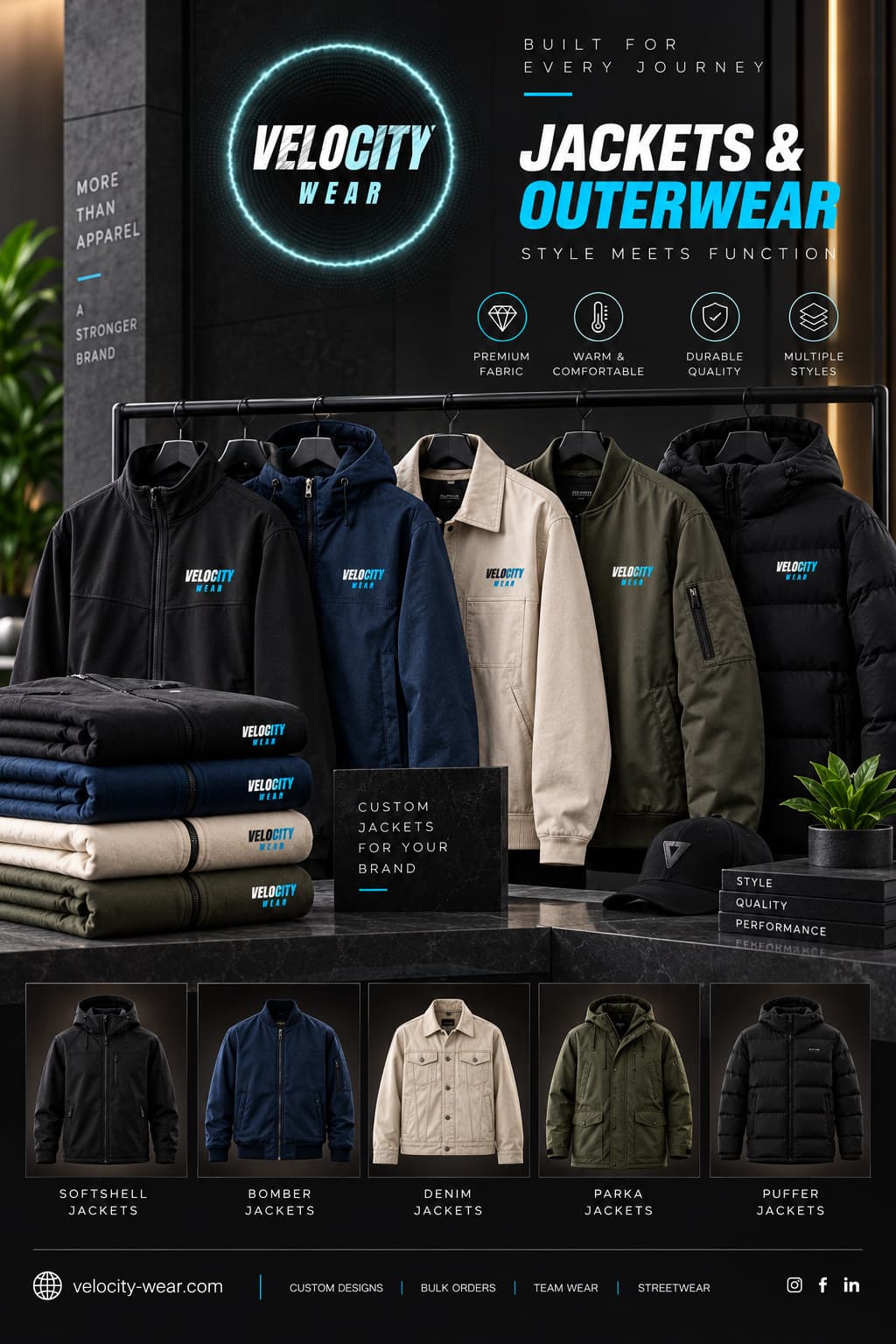
Softshell for training and the touchline, puffer for substitutes and spectators in winter, coach for the retro look that sells to members, varsity for a first team that wants something to be seen in. Running and cycling clubs make different calls again, and running club kit covers the lighter end. For padded shells, branding puffers without puckering is worth reading before artwork is drawn. The shells themselves are listed on the wholesale jackets page.
How should a club collect sizes and money?
Through one form with a closing date, and not through a group chat. Clubs lose more time chasing twelve outstanding replies than to anything the factory does. Publish chest measurements rather than letters, take payment at the point of ordering, and state plainly that late entries go on the next run rather than this one.
Committees should also decide up front who owns the spares. A club that orders a handful over its list can kit out a new signing immediately; one that orders exactly to the list cannot, and a single extra jacket is expensive to make on its own. Weighting sizes costs nothing, so build the buffer into the fifty rather than bolting it on afterwards.
Keep the artwork, the colour reference and the number set in a single folder that passes to the next secretary. Kit committees turn over about as often as squads do.