Size Splits for a Bulk Hoodies Order
By The Velocity Wear Team
Sizes mix freely inside the 50-piece minimum, so a bulk hoodie order is one design spread across whatever curve you choose. For a mixed adult audience a workable starting point is a bell weighted slightly large: a handful of small, a bigger block through medium and large, tapering into XL and 2XL. Then adjust it for your actual audience before you sign off.
What size curve should a first order use?
If you have no order history, build the curve from the group you are dressing rather than from a generic table. A staff order goes off the actual roster. A retail drop goes off whoever already follows you. A club order goes off the membership list. Only when none of those exist should you fall back on a default bell, and even then weight it towards the larger end, because an oversized hoodie on a smaller person reads as intentional while a tight one reads as a mistake.
Write the curve down as absolute numbers rather than percentages. Fifty pieces as 4 / 10 / 16 / 12 / 6 / 2 across XS to 2XL is a decision you can check. The same thing as percentages invites rounding errors that leave you one short in the size everyone wants. You can set the split however you like when you place the order on the wholesale hoodies page.
How does an oversized fit change the numbers?
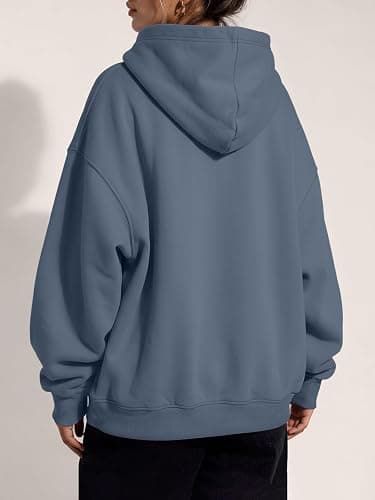
Hoodies run from classic through to oversized cuts, and the two are not interchangeable on a size chart. An oversized medium can measure close to a classic large across the chest, with a dropped shoulder and a shorter body. If you switch fits between one order and the next without telling anyone, your regulars will order their usual size and be disappointed.
Two practical fixes. Publish the garment measurements, not just the letters, so people buy on chest width and body length. And when you move to an oversized block, shift the whole curve down a step, because a chunk of your buyers will size down deliberately. The fit and returns trade-offs are covered more broadly in apparel sizing and fit.
How do you collect sizes without chasing people for weeks?
Set a closing date and treat it as real. A short form with a single required field beats a group chat every time, and it gives you a spreadsheet you can hand straight over. Give people the measurements in the form itself so they are not guessing, and include a line for anyone who wants a size outside the standard range so you can decide whether to carry it.
Build a small buffer on top of confirmed sizes. Five or six extra pieces spread across the middle sizes covers late joiners, a damaged garment and the person who swears they ordered. Because the minimum is 50 per design, that buffer is nearly always cheaper than a second run later.
What do you do with the sizes that do not sell?
Assume some will not. The far ends of the curve move slowest, which is exactly why they should be thin. Hold a handful back as replacements and spares rather than pricing the run so you need to clear every piece to break even.
If a size sells out quickly and you want more, a repeat run is straightforward as long as the design is unchanged, though it is a fresh 50 rather than a top-up of six. Plan the second order against what actually sold, and see reordering wholesale hoodies for how colour matching works between runs. Larger repeat quantities also move you up the tiers listed on the pricing page.