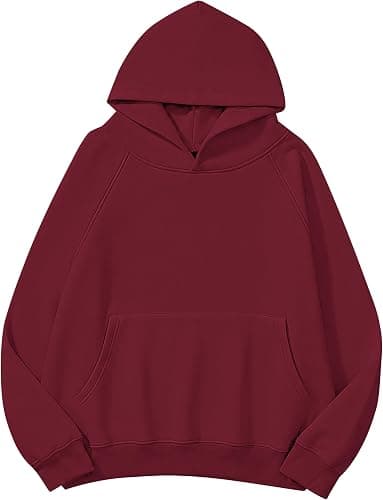
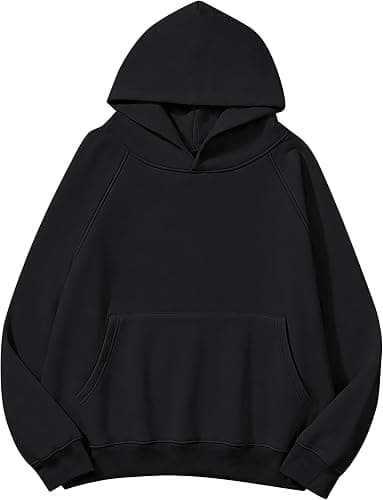
Reordering Wholesale Hoodies in Colour
By The Velocity Wear Team
A repeat hoodie run reuses your approved artwork, your separations or digitised file, and the same garment block, so the second batch looks like the first. The variable is the fabric itself: dyed cotton fleece moves slightly between dye lots. Keep a piece from the original run as a reference and the match is close enough that nobody outside the factory will pick it.
Will the second run match the first?
The decoration will, because it comes from the same files. The garment colour is where variation lives. Reactive-dyed cotton is mixed in batches, and two batches of the same reference can sit a shade apart, more visibly on mid-tones like heather grey and olive than on black. Side by side under daylight you might see it. Worn a week apart, nobody does.
The way to control it is to send a physical reference from the previous run and ask for the new fabric to be matched against it before cutting. That is a real step, not a courtesy, and it is worth requesting explicitly when you place the repeat through the wholesale hoodies page.
What stays on file between orders?
Your artwork and its approved proof. The screen separations for a printed design. The digitised stitch file for an embroidered one, including stitch order and thread references. The garment spec: block, fit, weight in GSM, colour reference and trim details. The size curve you last ordered, which is useful as a baseline even when you change it.
What does not carry over is the dye lot and, if a mill discontinues a fabric, sometimes the exact cloth. That is rare within a year and increasingly likely after two or three. If a hoodie is core to your range, reorder before you run out rather than after, and the broader mechanics are set out in can I reorder the same design later.
When is the right moment to place a repeat?
Count backwards from the day you would run out. Production is 10 to 15 working days from artwork approval, delivery sits on top, and a repeat still needs a short confirmation round even though the artwork is settled. Three to four weeks of stock cover is a comfortable trigger point; two weeks is tight; one week means you will have a gap.
The other consideration is quantity. Every repeat is a fresh 50-piece minimum per design, so a stream of small repeats costs more per piece than one larger run. If you know you will sell three batches over a year, ordering them as one run moves you up the tiers on the pricing page, where the reduction reaches up to 35% off the 50-piece price at the highest volumes.
Does anything about the design change on a repeat?
Only what you change. Buyers often take the chance to correct something small: a print sitting 10mm low, a neck label swap, a size curve adjusted after seeing what sold. Small edits are easy at this stage because the file is already built. Substantial edits make it a new design with a new approval and a new minimum.
One thing worth revisiting is the colour specification itself. If you are pinning a brand colour across several products and several runs, define it properly once rather than approving by eye each time; the approach is covered in choosing brand colors for an apparel label.