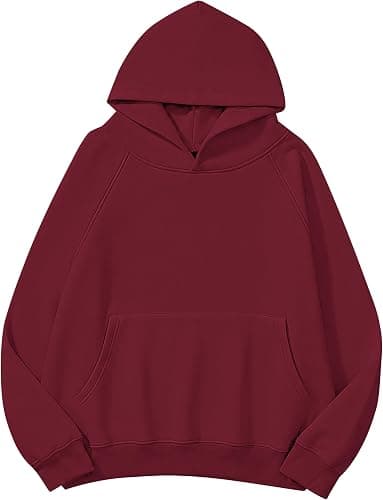
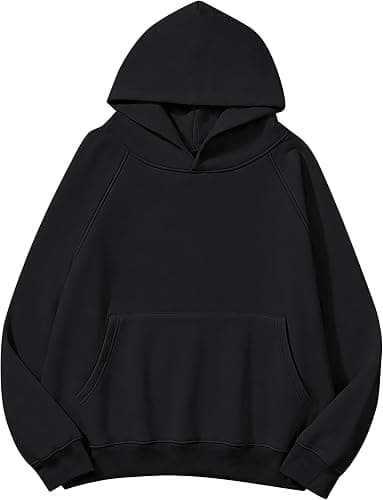
Wholesale Hoodies for Clothing Brands
By The Velocity Wear Team
Clothing brands buy hoodies at a 50-piece minimum per design, from $31 a piece, made in 10 to 15 working days from artwork approval, with private label neck labels, tear-out labels, swing tags and packaging available on the same run. That last part is what separates a brand from a reseller: the customer should not be able to tell whose blank it started as.
What makes a hoodie feel like your product rather than a blank?
Four things, in order of how much they matter. A custom woven neck label, because that is the first thing a buyer looks at and the only place a rival brand name would otherwise appear. The fabric weight, because the hand feel decides whether someone thinks it was worth the price. The fit, since a classic and an oversized cut in the same fabric read as different price points. And the packaging it arrives in. Print placement comes fifth, which surprises most new brands. We can supply woven and tear-out labels, swing tags and packaging alongside the garment, and the full list is on the clothing brands page.
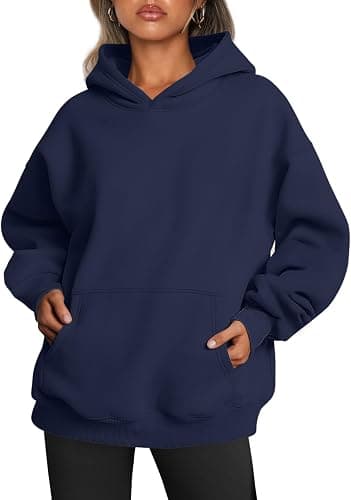
What should a first drop be sized at?
Fifty pieces in one colourway, and spend the money you saved on a heavier fabric rather than a second colour. Our fleece runs 280 to 450 GSM brushed back, and at the heavier end the garment does most of the selling for you. The size curve for a first drop should be tighter than a retailer's: the bulk in medium and large, a few smalls, a couple of extra larges. Every size you carry is stock you might not clear, and a sold-out small is a better problem than a rail of unsold XXL. Heavyweight hoodies and why UK brands keep going heavier covers the weight argument in detail.
How does the price work as a brand grows?
The per-piece cost falls through the tiers at 100, 250, 500 and 1,000 pieces, reaching as much as 35% below the 50-piece rate. For a brand, the relevant consequence is the retail margin: the same garment sold at the same price makes materially more per unit on a 250-piece run than on a 50-piece one. That is the reason brands move to fewer, larger drops rather than constant small ones. Current rates are on the wholesale hoodies page. Set the retail price from the tier you can realistically commit to, not the one you hope to reach.
How do repeat drops stay consistent?
Keep the specification written down and reuse it: fabric weight, fit, colour reference, label artwork, print position measured from the shoulder seam. A customer who owns the first drop will notice if the second is a slightly different black or sits two centimetres higher on the chest. Order a sample against the written spec for each new colourway rather than each repeat, since a repeat of an identical garment does not need re-proofing. Samples are £150 each and that cost comes back off the bulk invoice.
Timing is the other half of consistency. A repeat run still takes 10 to 15 working days from approval plus transit, so a brand selling out in week two of a drop cannot restock inside the same month. Either build the buffer into the first order or tell customers a restock date you can actually hit. The alternative, going quiet for six weeks after a sell-out, is where most of the momentum from a good drop gets lost, and it is covered from the customer side in retention for clothing brands.