Choosing Fabric for Wholesale Hoodies
By The Velocity Wear Team
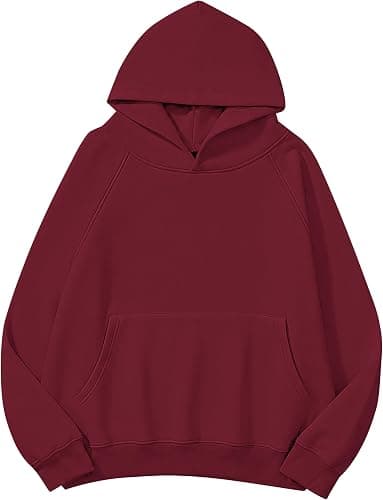
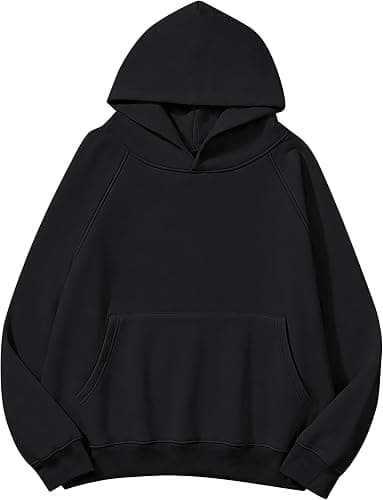
Our wholesale hoodies run from 280 to 450 GSM in brushed-back fleece, in fits from classic through to oversized. GSM is grams per square metre, so it measures how much fabric there is rather than how warm it feels. The lighter end is for indoor wear and fast drying, the heavier end for outdoor use and for a garment that has to feel expensive in the hand.
What does GSM actually change?
Four things you can feel. Weight in the hand, which is what a customer judges a hoodie by in about two seconds. Drape: a 280 GSM piece hangs close to the body while a 450 GSM one holds its own shape and gives the boxy silhouette that heavier streetwear relies on. Drying time, which doubles or worse across that range and matters enormously if staff only have two hoodies each. And durability of shape, because a heavier knit resists the cuff and hem stretch that makes a hoodie look tired long before it wears out. Warmth follows weight, but less sharply than people assume.
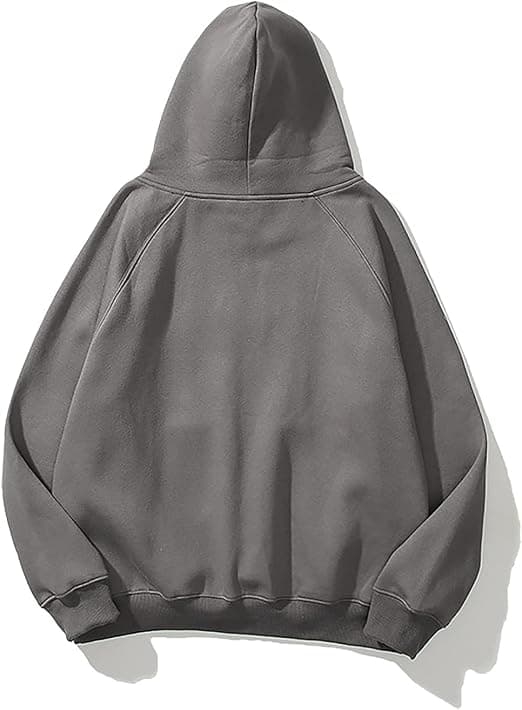
What does brushed-back fleece mean in practice?
The inside face of the fabric is raised into a soft nap. That nap traps air, which is where most of the warmth comes from, and it is what makes a hoodie feel comfortable against the skin rather than merely thick. It also means the inside face will soften and flatten with washing over time, which is normal and not a fault. The outside face stays smooth, which is what allows a clean print. If you are choosing between two weights and the deciding factor is comfort rather than warmth, the brushing matters more than the GSM number does.
Fit interacts with all of this and is specified separately. A classic cut sits closer to the body and layers under a jacket or a vest without bunching. An oversized cut drops the shoulder seam and widens the body, which reads as retail product and needs a heavier fabric to hang properly. Putting an oversized cut in a light fleece gives you a hoodie that looks shapeless rather than relaxed, which is the most common mismatch we see in a first order.
How does fabric choice affect the decoration?
Considerably, and this is the part most buyers discover late. A heavier, denser surface takes a screen print crisply and supports embroidery without puckering. Lighter fabrics need more care with dense ink coverage, since a heavy print can stiffen a thin garment. Embroidery on a very light fleece can pull, so a backing is used and the design is kept simpler. Three-dimensional puff needs a stable surface underneath it and sits best on the mid to heavy weights. Sublimation is a polyester process and cannot be used on a cotton-faced fleece, which is why a full-coverage all-over design steers the fabric choice rather than following it. DTF is the most forgiving across the range and handles gradients that screens cannot.
Which weight for which use?
For indoor staff kit worn most days and washed constantly, 280 to 320 GSM, because it dries between shifts. For general team and club kit worn outdoors in a British autumn, 320 to 380 GSM. For retail and brand product where the buyer is paying for the feel, 400 GSM and above, since that is where the garment justifies its price on the rail. For anyone layering under a vest or a jacket, go lighter than instinct and take the classic fit. The full range and the from-price are on the wholesale hoodies page, and the quantity tiers that affect what weight your budget reaches are on the pricing page. The case for the heavy end is argued in heavyweight hoodies.