Caps for Hotels, Ordered Properly
By The Velocity Wear Team
Hotel caps start at $12 a piece at our fifty-piece minimum, and those fifty can be split across departments and sizes however the property needs. The choice that decides whether the order works is not panel count. It is laundry: grounds, valet and pool staff hand caps into the same rotation as the bed linen, and a cap washed on a linen cycle ages fast unless the crown and the branding are specified for it.
Which cap style suits a guest-facing team?
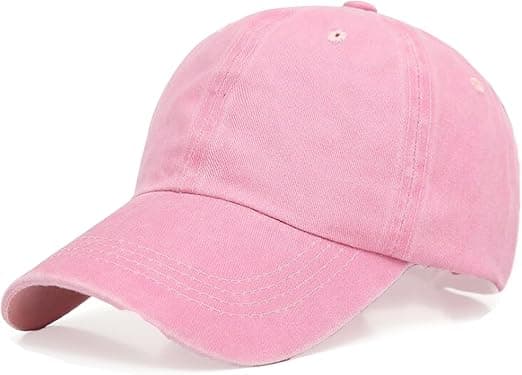
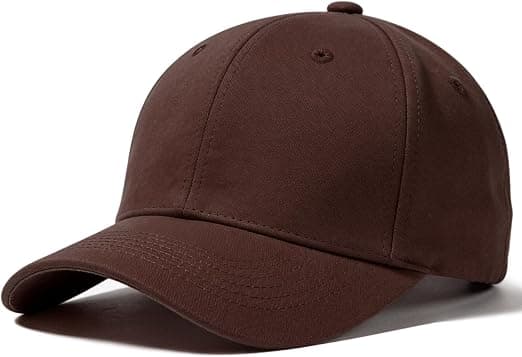
Five and six panel caps are the two structured shapes. A six panel has a seam down the centre of the crown, which gives a taller, firmer front and a clean flat area either side of that seam. A five panel has no centre seam, so a wide logo sits across the front uninterrupted. Snapbacks give a flat brim and a plastic adjuster, truckers put a foam front on a mesh back, and dad caps sit unstructured and low. For a hotel the usual answer is a six panel for concierge and valet, where the cap should hold its shape at the end of a shift, and an unstructured dad cap for grounds and pool staff who wear one for eight hours in the sun. If that split is new to you, the differences are laid out in 5-panel vs 6-panel caps.
How does the laundry rotation change the spec?
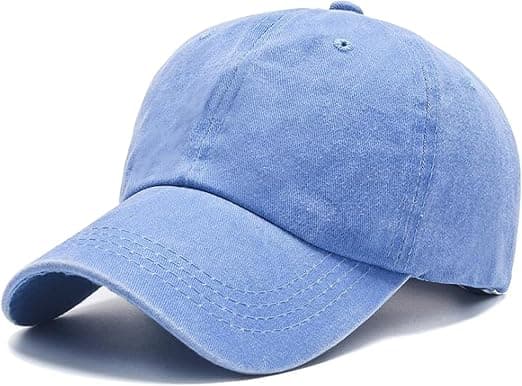
Most properties do not wash caps separately. They go into the staff-uniform bag and come out having been through a hot cycle and an industrial dryer, which is harder on headwear than on a polo shirt. Two things suffer first: the buckram stiffener behind the front panels, which softens and ripples, and any print that sits on the surface rather than in the cloth. Embroidery is the safer answer here because the logo is thread, and thread goes through the same wash the fabric does.
- Ask housekeeping what temperature the uniform bag runs at before you pick a crown structure.
- Order enough that every cap gets a rest day; a cap worn and washed daily by the same person wears out roughly twice as fast.
- Keep the logo small and stitched rather than large and printed if the cap is going into a machine every week.
What does a hotel cap order cost at fifty pieces?
The from-price on our wholesale caps page is $12 a piece at fifty. Price falls as quantity rises, by up to 35% at the top of the tiers, and the tiers run 50–99, 100–249, 250–499, 500–999 and 1,000+. A single-property order usually lands in the first or second band. A group ordering one cap for every property at once drops considerably further, which is the argument for consolidating the buy rather than letting each general manager order fifty of their own.
How do caps fit alongside the rest of the hotel's kit?
A cap is rarely ordered on its own. Spa and pool areas need towelling in the same brand colours, and matching the two is easier when they are quoted together — our wholesale towels run through the same artwork approval as the caps, so one sign-off covers both. Lead time is 10–15 working days from artwork approval for either, before delivery transit, so a combined order does not take longer than a single one. The wider picture of what a property tends to buy is in custom apparel for hotels.
One practical note on colour: a navy cap and a navy towel are different fibres taking dye differently, and they will not read as an exact match under lobby lighting. Pick one as the reference and accept the other as close, or choose a colour where a small drift is invisible.
Who in the property actually needs one?
Count the roles that work outdoors or in a wet environment, because those are the ones a cap serves. Grounds and gardens, valet and doorman, pool and beach attendants, and any outdoor food or bar service in summer. Housekeeping and back of house generally do not wear headwear, and putting them in it anyway is how properties end up with twenty caps in a cupboard. Once you have the real headcount, multiply by roughly one and a half so there is always a clean cap in rotation, add ten per cent for new starters, and round up to fifty. Most single properties land close to the minimum naturally. Resorts and groups go well past it, which is where the tier pricing starts to pay.