Custom Apparel for Hotels
By The Velocity Wear Team
Need this made?Get pricing for this product— free, no obligation, 50 pieces minimum.
A hotel does not need one uniform. It needs a family of them, tiered by department and colour coded so a guest can tell housekeeping from front desk from food and beverage at a glance. The trick is choosing garment ranges that share a colour palette and a cut language, so five different jobs still read as one hotel.
Guests Read Silhouette and Colour, Not Badges
Name badges are useful once a conversation starts. They are useless at twenty metres down a corridor, which is where most guest recognition actually happens. What carries at that distance is the shape of the garment and its colour. A guest looking for someone to ask about a late checkout should be able to identify the right person before they have decided whether to bother them.
So make department colours genuinely distinct in value, not merely in hue. Two mid tone colours of similar darkness will look identical under warm corridor lighting even if they are obviously different on a screen. Pair a dark with a light, or a saturated colour with a neutral, and check the result in the actual building.
Four Departments, Four Sets of Requirements
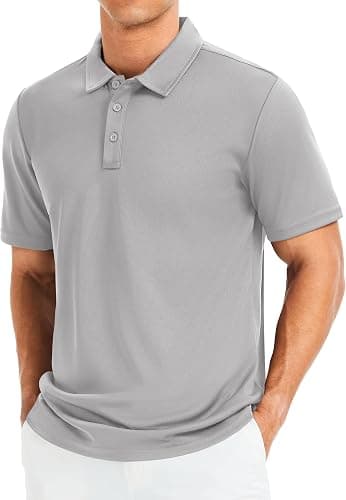
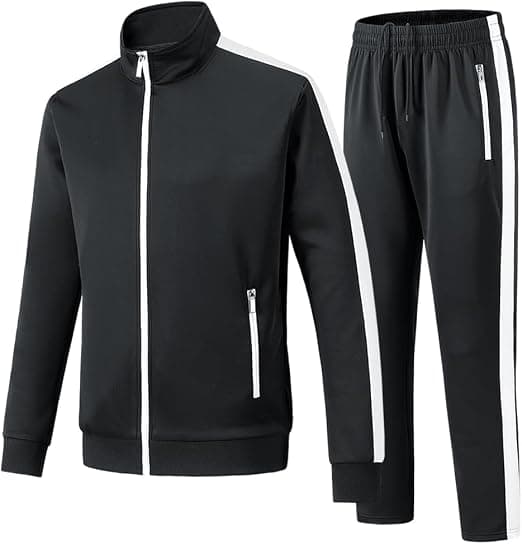
Housekeeping needs freedom of movement, hot washing and durability across a long physical shift, with pockets that do not spill when bending. Front desk is on show constantly and appears in guest photographs of the lobby, so it should be specified like retail clothing. Food and beverage needs stain tolerance and something that still looks tidy at the end of service. Maintenance is proper workwear, with knee reinforcement and tool pockets.
Buying one polo for all four is the most common false economy in hotel purchasing. It underdresses the desk, over specifies housekeeping, and gives maintenance something that tears within a month.
Making Different Garments Look Like One Hotel
The unifying elements are palette, logo treatment and trim. Choose a garment range that offers polos, knitwear, shirts and softshells in the same colour library, so a navy across four different products is genuinely the same navy. Use the same logo size and position on every item, and one thread colour throughout. Those three decisions do more for visual coherence than matching styles ever will.
- Pick one supplier colour family and check that every garment type you need exists in it.
- Fix logo position and size in writing, and reuse the same embroidery file across all departments.
- Use a single accent colour for trims and aprons so departments feel related rather than random.
- Give the front desk a better fabric than everyone else, since that is where guest perception is formed.
- Keep maintenance in real workwear and brand it consistently rather than dressing it like the lobby.
Why Embroidery Is Almost Always the Answer
Hotel kit goes through commercial laundry or a hot domestic cycle, repeatedly. Surface prints lift at the edges under that regime, and a lifting logo on a front desk shirt looks worse than no logo at all. Embroidery is stitched through the cloth, holds colour, and reads as more considered under lobby lighting. It does need small text and fine detail simplifying, which is normal, and a crest heavy hotel logo will usually need redrawing for stitch at chest size.
The exception is anything sold or given to guests rather than worn by staff. Robes, gift shop tees and spa items can carry printed artwork happily, because they are not being washed sixty times a year in a commercial laundry.
Turnover, Sizing and the Stock Cupboard
Hospitality turnover means the uniform store is never static. The practical approach is to buy in one large annual order rather than a constant trickle, keep a buffer of the sizes that move fastest, and record exactly what was ordered so the next batch matches. Dye lots and blank specifications change over time, so a cupboard filled from six separate small orders will contain several shades of the same colour.
Minimum order is fifty pieces per order with sizes mixed freely, and discounts rise with quantity to around thirty five per cent, so consolidating departments into a single annual order is usually the cheapest and tidiest route. Keep a small buffer in the middle sizes rather than a full spare set for every role.
Getting the Timeline Right
Hotels tend to change uniform around a refurbishment or a rebrand, which means the deadline is fixed and public. Production starts at artwork approval rather than order placement, embroidery typically runs around ten to fifteen working days from approval, and UK delivery is usually two to five working days after dispatch. Approve a physical sample of the front desk garment before committing the full order, because that is the piece everyone will judge.
“"A guest who has to walk over and read a badge to find the right person was let down by the uniform twenty metres earlier."”