How Gyms Buy Caps Wholesale
By The Velocity Wear Team
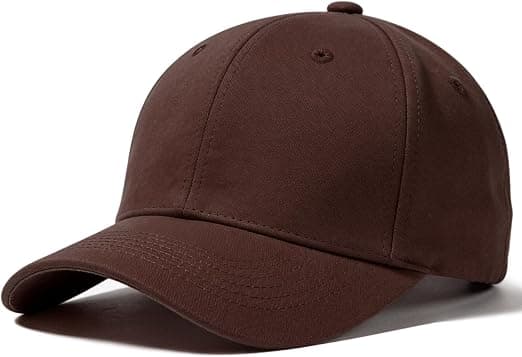
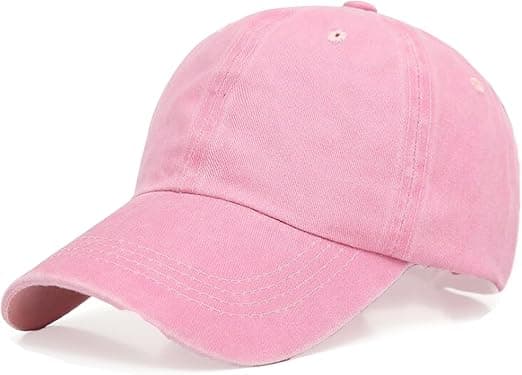
Caps start at $12 a piece at the 50-piece minimum, and for a gym that fifty usually splits between coaching staff and a retail run for members. One design covers both, which keeps you inside a single minimum. Snapbacks and trucker caps sell on the shelf; six-panel structured caps and dad caps tend to work better as daily staff kit.
What does a gym cap order cost?
Fifty caps at the entry price is the baseline, and the unit price falls through five tiers as the quantity rises, reaching up to 35% below the 50-piece price at the top. For most independent gyms the first order sits in the 50 to 99 band, and the interesting question is whether adding another forty caps to reach the next tier costs less per piece than it saves. It often does, particularly if the caps are being sold rather than given away.
Decoration is the other variable. A stitched front logo is the standard, priced on stitch count, and 3D puff embroidery raises the mark off the panel for the bolder look most fitness brands want. The full style and decoration list sits on the wholesale caps page.
Which style suits staff and which sells to members?
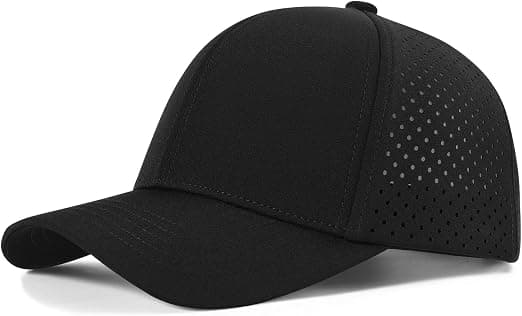
Coaches want something that stays put through a class and does not look tired by week three. A structured six-panel with a firm front holds its shape and gives embroidery a solid base. Members buying merch tend to reach for the silhouette they already wear, which in most gyms means a dad cap or a snapback. A five-panel reads as lighter and more athletic, and a trucker with a mesh back is the summer option for outdoor sessions and car park classes.
If you can only run one design, a six-panel snapback is the compromise most gyms land on: the adjustable back removes sizing from the equation entirely, and the front panel suits both a stitched logo and a puff treatment. Sizing is the quiet advantage caps have over apparel, and it is why they work as impulse merch beside a hoodie rail. The gyms and fitness page covers the rest of a studio kit list.
How do gym caps hold up to constant washing?
Better than most gym apparel, because a cap is washed far less often than a training top and the decoration sits on a stiffer panel. Embroidery is the durable choice here: thread survives sweat and repeated cleaning without the edge lifting that a low-quality print eventually shows on a curved front. A structured cap keeps its shape longest if it is not put through a machine, and that is worth saying on a swing tag if you are selling them.
How should a gym split fifty caps?
Work out the staff number first, double it so coaches have one in the wash, and let the remainder be retail stock. A studio with eight coaches needs sixteen, leaving thirty-four to sell. If the caps are selling through, the reorder should land before the shelf is empty, because production is 10 to 15 working days from artwork approval plus transit. Gyms running a full merch range alongside the caps will find custom gym hoodies useful, and 5-panel vs 6-panel caps settles the style question in more depth.
Placement deserves a moment of thought. A front-panel logo is the default and does most of the work, but a small side mark or a stitched detail at the back gives the cap a more considered look and costs little as a second decoration. Gyms selling caps rather than issuing them usually do better with the quieter treatment, because a member is buying something to wear outside the studio as much as inside it.