Caps for Events, Ordered Properly
By The Velocity Wear Team
Event caps come from a fifty-piece minimum at $12 a piece, and that fifty usually covers crew and a first run of merch at the same time. The only date that matters is the one on the poster, so the order is planned backwards: transit, then 10 to 15 working days of production from artwork approval, then however long your own sign-off takes. Everything else is detail.
How should one order split between crew and merch?
Give the crew a visually distinct version if the budget allows two designs, and a single shared design if it does not. Crew caps need to be identifiable at a glance across a field, which argues for a strong colour and a clear front mark. Merch caps need to be something an attendee would buy in the absence of the event, which usually means a quieter treatment of the same artwork. Where only one design is possible, err towards the merch version and mark crew with lanyards or shirts instead.
Quantities follow the same logic. Count the crew, add a reserve for the people who lose one on day one, and let the remainder be stock for the stall. The events and festivals page covers the rest of an event kit list.
What is the last sensible date to order?
Six weeks out is comfortable, four is workable with settled artwork, and under three is where events start losing the merch and running the crew in plain caps. The production window is fixed at 10 to 15 working days from approval, and approval is the step that slips, because event artwork typically passes through a designer, a promoter and a sponsor. Lock the artwork before you lock anything else.
The version of this that goes wrong is a lineup change late in the schedule. If the cap carries a date or a lineup, it cannot be corrected once it is in production, which is a strong argument for keeping caps to the event logo and putting the dated detail on a shirt. Custom clothing for events and festivals covers that split across a full merch range.
Which cap style sells at a stall?
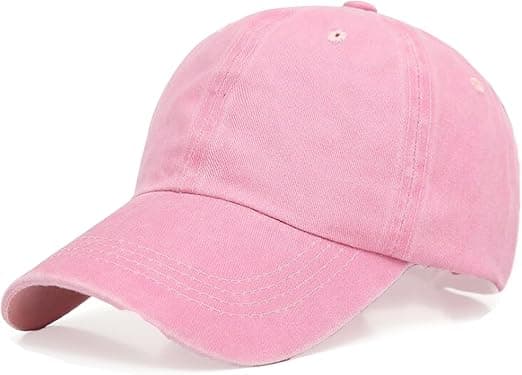
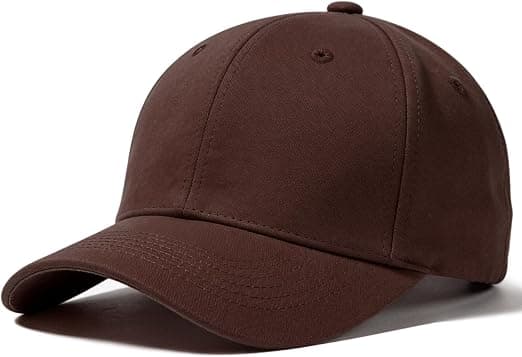
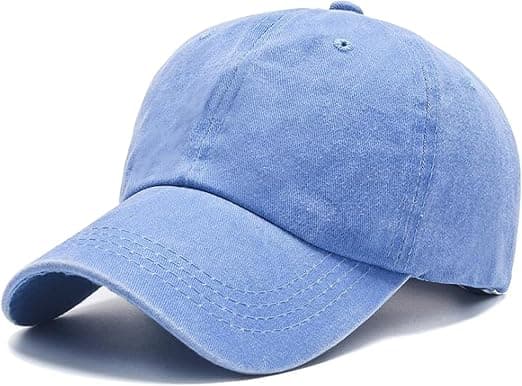
Whatever people are already wearing in the crowd. At a music event that usually means dad caps and trucker styles; at a sporting or family event a structured six-panel sells better. Adjustable backs are non-negotiable on merch, because nothing kills a stall sale faster than asking somebody their head size. A cap is also the easiest merch item to carry home from a field, which is why it often outsells garments on the day.
What happens to caps that do not sell?
Undated caps keep. A cap carrying the event logo and nothing else sells at the next edition, goes to crew the following year, or ships from a website in the meantime, which is the practical case for leaving the year off the design. Dated stock has one weekend to sell and then becomes storage. Plan the quantity around that: order to the tier that makes sense, up to 35% below the fifty-piece price at the largest quantities, and keep the design reusable. Venue and crew teams will also find custom apparel for events and venue staff useful, and the styles are listed on the wholesale caps page.
Crew numbers are almost always larger than the first estimate. Volunteers, stewards, sound and lighting, the box office and whoever turns up on the morning to help all reasonably expect a cap if caps are what the crew wears. Count the widest version of the team rather than the core one, because pieces you do not use end up on the stall while pieces you are short of cannot be made on the day.