Custom Apparel for Events and Venue Staff
By The Velocity Wear Team
Need this made?Get pricing for this product— free, no obligation, 50 pieces minimum.
Event and venue kit has one job above all others: letting a stranger identify the right person to ask, quickly, in poor light and in a crowd. That makes the back print and the colour more important than the chest logo, and it makes legibility at distance a design constraint rather than a preference.
People Find Staff From Behind
Stand in any busy venue and watch how a guest looks for help. They scan a crowd of backs. By the time someone is facing you, they have already found you, so the front of the garment is doing very little work. That is why the role word across the shoulders matters more than the logo on the chest, and why so many event shirts get this backwards.
Make the back print big. Set it in a plain sans serif with real weight, keep it to one word where possible, and use maximum contrast against the garment. White on black, black on high vis yellow, and white on a deep colour all hold up. Thin display typefaces and outlined lettering fall apart at ten metres, which is exactly the distance that matters.
Colour Coding Beats Job Titles
At a multi function venue, guests cannot be expected to learn your internal roles. What they can learn in seconds is that one colour means bar, another means stewarding and another means production. Assign colours by function rather than by seniority, keep the number of colours small, and put a sign at the entrance if it helps.
Two practical warnings. First, avoid colours that read as emergency services or as security when they are not, and check the current requirements for licensed roles with the relevant official guidance rather than improvising. Second, remember that stage lighting eats colour. A mid green under a wash of magenta becomes an unreadable grey brown, so test your palette in the room rather than on a screen.
Fourteen Hours Outdoors Is a Layering Problem
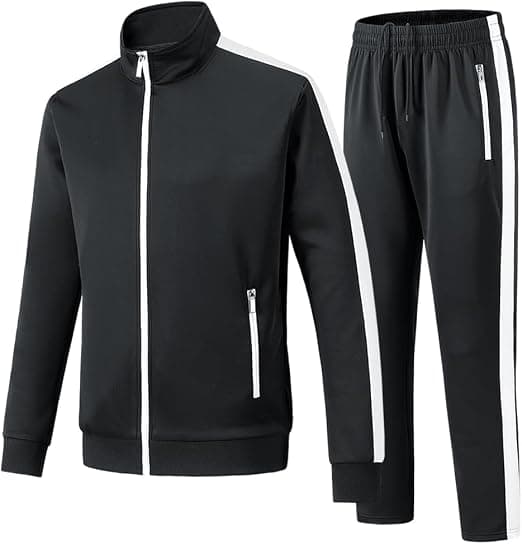
Outdoor crew start in the cold, work through heat, and finish in the cold again. One garment cannot do that. The standard answer is a set: a tee for the middle of the day, a hoodie or sweat for the ends, and a wind resistant shell for the weather. Keep the role identification on each layer, otherwise the moment someone puts a jacket on they stop being identifiable staff.
- Put the role word on every layer, including the outer jacket, not just the base tee.
- Choose one clear sans serif and one size of role lettering across the whole event.
- Keep tabards on hand for volunteers and contractors who wear their own clothes.
- Order more of the largest sizes than feels natural, because layers go over other layers.
- Number or list what went out to whom if you intend to get any of it back.
Crew Kit People Keep, and Kit They Bin
Event merchandise has a strange afterlife. A cheap tee with a huge sponsor block on the back goes in a bin bag on the Monday. A decent weight hoodie with the event name and the year, and only a small credit for anyone else, gets worn for years and becomes free advertising every winter. The difference in cost is real but modest, and the difference in what happens afterwards is enormous.
If you want crew kit to survive, design it as something a person would choose to own. That usually means restraint: the event name, a date, one strong graphic, and the operational word kept to a size that identifies without shouting. Resist the urge to put every supplier logo on the sleeve.
Choosing a Print Method for a Crowd
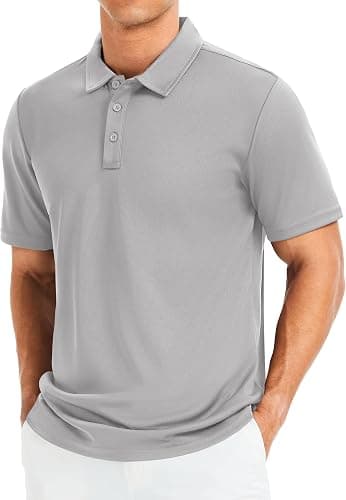
Big blocks of one or two colours across a back are screen printing's home ground, and it is the cheapest option once quantities rise, though setup is charged per colour. If you need role variants, different departments and different wording across a smaller total, DTF avoids per colour setup and handles short runs and full colour well. Vinyl is the tool for individual names and numbers. Embroidery is durable and looks smart on venue polos and softshells, but it is a poor choice for large lettering across a back.
Ordering Around an Event Date
Work backwards, and be honest about the artwork stage. Production starts at artwork approval rather than order placement, screen printing and embroidery typically run around ten to fifteen working days from approval, and UK delivery is usually two to five working days after dispatch. Every event that ends up in a panic got there by approving artwork late, not by ordering late. Minimum order is fifty pieces per order with sizes mixed freely, so a single order covering all departments is both simpler and cheaper than several small ones.
“"A steward is found by the back of their shirt. Spend the budget where the crowd is actually looking."”