Wholesale Caps for Charities
By The Velocity Wear Team
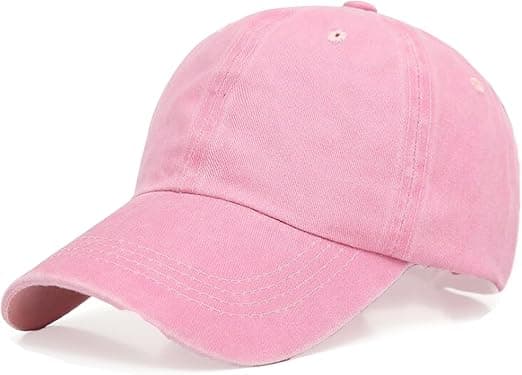
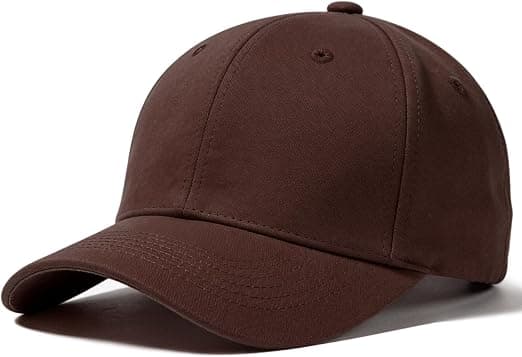
Caps work for charities because the unit cost is low and the sizing problem does not exist. Fifty pieces of one design at $12 a piece is the entry point, and an adjustable back means a supporter buys one without trying it on. The two uses are almost always the same order: identifying volunteers on the day, and giving supporters something to take away that keeps the cause visible afterwards.
How does the cost compare to what supporters will pay?
The entry price at fifty pieces gives you a floor, and the gap between that and what a supporter will pay at a stall is the fundraising margin. The larger the run, the wider the gap, since the price falls through five quantity tiers to as much as 35% below the fifty-piece price at the top. What a cap sells for is a decision about your supporters and your event rather than about the garment, and no supplier can tell you that number.
Where charities lose money is not on the unit price but on quantity. Ordering a tier up to improve the margin only helps if the extra stock sells, and unsold caps are a cost that never appears in the original calculation. Order to a number you are confident of moving and reorder if it goes well.
Should volunteer caps be different from supporter caps?
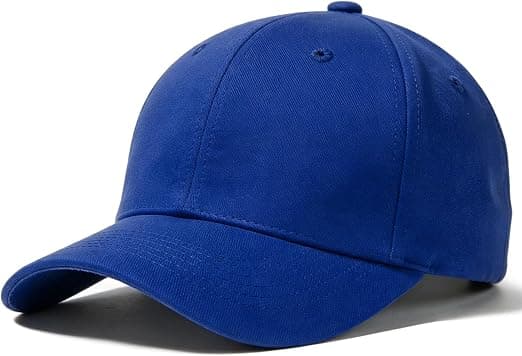
Only if you can clear fifty of each design, which most single events cannot. The common solution is one cap design in a single colour, with volunteers separated by a tabard, a shirt or a lanyard instead. That keeps the cap order inside one minimum and puts the identification onto an item that is cheaper to duplicate. The charities and fundraising page covers how volunteer kit is usually structured.
If volunteers do need their own headwear, make the role word the difference rather than the whole design: the same badge with a small stitched line underneath. It still counts as a second design against the minimum, but it costs nothing extra in artwork and the two look like a set rather than two unrelated items.
How do you keep the design good without a design budget?
Use the logo you already have and resist adding to it. A single stitched mark on a front panel, sized to read from a few metres, is what a cap does well, and the additions charities are tempted towards, such as a strapline, a website and a registration number, all sit better on a leaflet. If the logo has fine type that will not survive stitching, simplify it for the cap rather than shrinking it. Cap styles and the decoration methods that suit each of them are listed on the wholesale caps page.
When should the order be placed around an event?
Production is 10 to 15 working days from artwork approval, plus transit, and charity approvals can involve trustees, which adds a meeting rather than a day. Six weeks before a fundraising date is comfortable. If you are running caps alongside a wider merchandise range, custom apparel for charities and nonprofits covers the garments, and caps for events, ordered properly deals with the date-driven planning in more detail.
Think about who hands the caps out as much as who buys them. On a street collection or at the finish line of a run, the person taking one usually has their hands full already, so anything that needs explaining or fitting slows the queue. A single design in one colour, in a box people can take from directly, moves faster than a table with choices on it, and that small difference is often what separates clearing the stock on the day from carrying most of it home again.