Bulk Caps for Bands: A Buyer's Guide
By The Velocity Wear Team
Caps start at $12 a piece from a fifty-piece minimum, which for a touring band is a modest stock commitment against a run of dates. They have two advantages over shirts on a merch table: no size to get wrong, and no dead stock in sizes nobody bought. The trade-off is that a cap carries far less artwork, so the design has to work as a small stitched mark rather than a full print.
How many caps should a band take on tour?
Start with fifty for a first run and judge it against the shows rather than the tour. Caps sell steadily rather than in a spike, and they keep, so leftovers from a spring run are stock for an autumn one. That durability is the reason to under-order rather than over-order at the start: there is no urgency to clear stock that does not expire, but there is a real cost to hauling three boxes of unsold caps between venues in a van.
If the run goes well, the reorder needs lead time built in. Production is 10 to 15 working days from artwork approval and transit is on top, so a restock decided mid-tour will not arrive before the last date. Order the second run when the first is half gone rather than when it is empty.
Which style sells at a merch table?
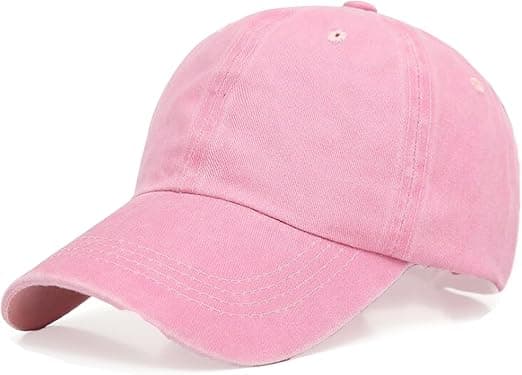
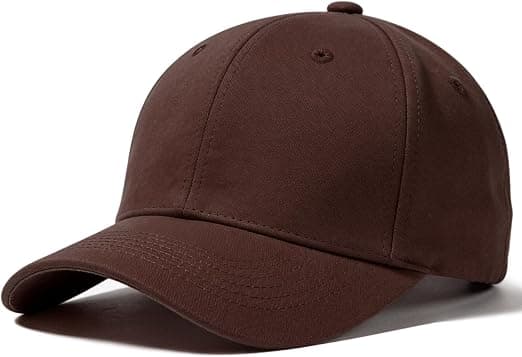
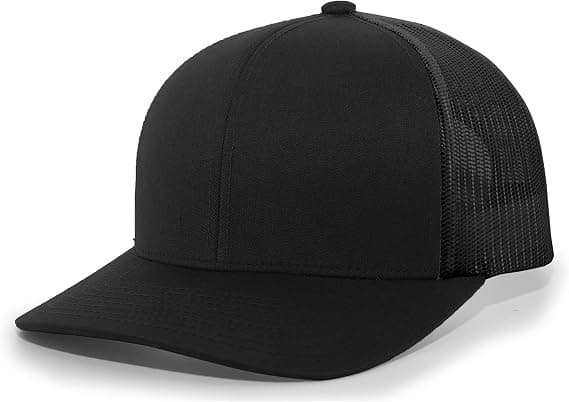
Dad caps, by a distance, for most guitar and electronic acts, because they are the silhouette the audience already wears. Structured six-panels and snapbacks suit heavier and hip-hop acts where a firmer front and a bolder mark are part of the look. Truckers do well at summer festivals and badly indoors in winter. Adjustable backs on all of them, since a merch table has neither the time nor the space for sizing. Custom dad caps and unstructured caps sets out how the soft styles differ.
For decoration, a stitched logo suits a cap better than anything printed, and 3D puff gives a thick wordmark the raised look that reads well in photographs from the crowd. Keep tour dates off the cap: they are what makes a shirt collectable and what makes a cap unsellable the following year.
How do you make a cap feel like a product rather than merch?
Private label. A woven label inside the sweatband, a swing tag with the band name, and packaging that is not a cardboard box are what separate a cap somebody buys because they like it from a cap somebody buys because they went to the show. Those options are available on the wholesale caps page, and they cost little at the quantities a band orders. The bands and music page covers the wider merch line.
Does a limited run make sense?
Only above the minimum. A limited edition of fifty is a real thing; a limited edition of twenty is not something we can produce, since the fifty-piece minimum applies per design. Bands who want scarcity usually get it by running one design per tour rather than by shrinking the quantity. If the merch line is becoming a business in its own right, how clothing brands buy caps wholesale covers the next step.
Merch tables are lit badly and looked at briefly, which is the real argument for stitching over printing on a cap. Thread catches whatever light there is, while a flat print on a curved panel sinks into shadow. Before approving artwork, hold the design at the distance a queue actually stands at, because something legible in your hand can be a smudge from a metre and a half away. The same test applies to colour: a dark mark on a dark cap looks considered in daylight and vanishes entirely under a venue light.