How Clothing Brands Buy Caps Wholesale
By The Velocity Wear Team
A cap is the simplest way for a clothing brand to add a product without adding complexity. One design at fifty pieces from $12 each is a single line of stock with no size curve, no fit risk and no returns for the wrong measurement. It is also the item most likely to be bought by a customer who already owns your tee, which is what makes it useful in a second drop rather than a first.
What does it take to put a cap in the line?
Fifty pieces of one design, artwork that works at front-panel scale, and a decision about closure. That is materially less work than a garment, where a size curve has to be forecast before anything is made. The practical consequence is that a cap ties up less capital for the same number of units on the shelf, and it does not leave you holding extra smalls at the end of a season.
Where brands go wrong is treating the cap as an afterthought and shrinking the tee graphic onto the front. Artwork for a cap should be drawn for a cap: a compact mark, a short wordmark, or a symbol, stitched rather than printed. The style and decoration options are on the wholesale caps page.
Which silhouette should a first cap be?
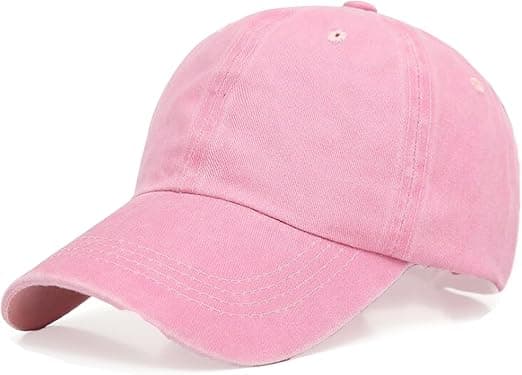
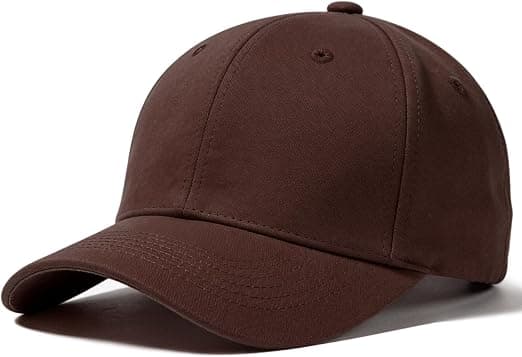
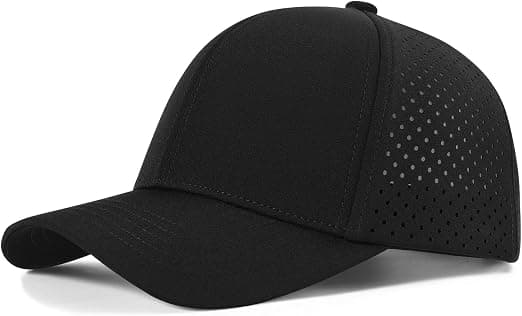
Look at what your customers already wear rather than at what is on the moodboard. Streetwear and skate audiences buy dad caps and five-panels; a brand with a heavier, more structured identity sells snapbacks and six-panels; truckers suit summer drops and outdoor-leaning brands. If you genuinely do not know, the unstructured six-panel is the safest first silhouette because it sits between the two and suits both a small mark and a bolder one. Dad hats explained for clothing brands goes through the soft-crown options in detail.
Colour should be conservative on a first cap. Black, a neutral and one brand colour will outsell four fashion shades, and each colourway that needs its own screens counts against the fifty-piece minimum separately, so a four-colour launch is four orders rather than one.
What can private label do on a cap?
More than most brands use. Custom woven labels inside the sweatband, tear-out labels, swing tags carrying your own branding and packaging that matches the rest of your line are all available, and they are the difference between a cap that looks like merch and one that looks like product. At cap quantities they add little per piece and they are the detail customers photograph. The clothing brands page covers how these fit into a wider private label run.
How does the margin work at $12 a piece?
Fifty at the entry price is your floor, and the unit price drops through five tiers as quantity rises, reaching up to 35% below the fifty-piece price at the largest. The margin on a cap is generally kinder than on a printed tee because the retail expectation for headwear is higher while the unit cost is not. What decides whether it works is sell-through rather than cost, so plan the drop calendar around it and read Black Friday for small clothing brands before you build a discount into the plan. Production is 10 to 15 working days from artwork approval, plus transit, so a restock has to be ordered well before the shelf clears.
Photography is where a cap repays the order. It sits well on a model, works as a flat lay and photographs far more easily than a garment that has to fit somebody, so a modest quantity produces a great deal of usable imagery. Shoot it alongside the rest of the line rather than on its own, so it reads as part of the collection instead of an accessory bolted on at the end.