Screen Printing vs Embroidery on Corporate Uniforms
By The Velocity Wear Team
Embroidery stitches the mark into the cloth, so it outlasts almost anything on a garment washed daily and suits compact logos on collared pieces. Screen printing lays ink on the surface, handles large and bold artwork, and scales efficiently across high quantities. Choose by artwork and garment first, and by quantity second.
How does each method actually work on a uniform?
Screen printing pushes ink through a mesh, one screen per colour, so a three-colour logo means three screens and three passes. That setup is done once and then the run moves quickly, which is why the method rewards volume and punishes colour count.
Embroidery converts the artwork into a stitch file and sews it directly into the fabric. There is no ink sitting on the surface to crack or lift, and the finish has a depth that suits a shirt or polo collar. The cost driver here is stitch count rather than colour count, so a small dense badge can take longer than a larger open design.
What does each cost at 50 and at 500?
Both follow the same quantity bands as the garment itself, running from the 50-piece minimum up through 100 to 249, 250 to 499, 500 to 999 and 1,000 or more, with as much as 35% off the 50-piece price at the top. What differs is how the setup is absorbed.
Screen printing carries a fixed setup per colour, so at 50 pieces that setup is a visible share of the per-piece figure, and by 500 it is spread thin. Embroidery has a one-off digitising step and then a per-garment stitch time that does not shrink with volume. The practical consequence: print improves more with quantity than stitch does. Tiers are on the pricing page and garment options on the uniforms range.
Which lasts longer through a laundry cycle?
Embroidery, clearly, on anything going through frequent hot washing. The mark is part of the fabric rather than a layer on top of it, so there is no edge to lift and no surface to crack. That is why hotel, kitchen and healthcare programmes lean stitched almost by default.
A well-cured screen print is far from fragile and will comfortably outlive normal use on a garment washed at moderate temperature. It is repeated high-temperature commercial laundering that separates the two, and that is a question about your wash cycle rather than about the decoration in the abstract.
Pick screen printing when, pick embroidery when
Pick screen printing when the artwork is large, bold and limited to a few flat colours, when the quantity is high enough to absorb the screen setup, and when you need a back panel or a chest graphic to read across a room. It is also the better choice on lightweight cloth that would pucker under dense stitch.
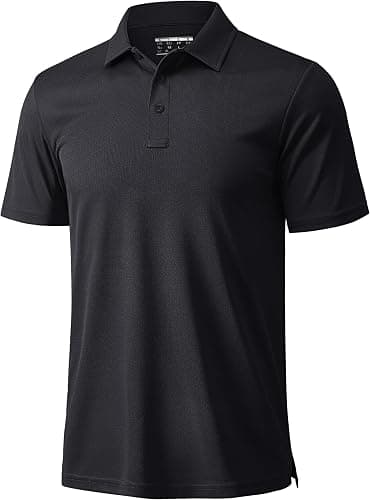
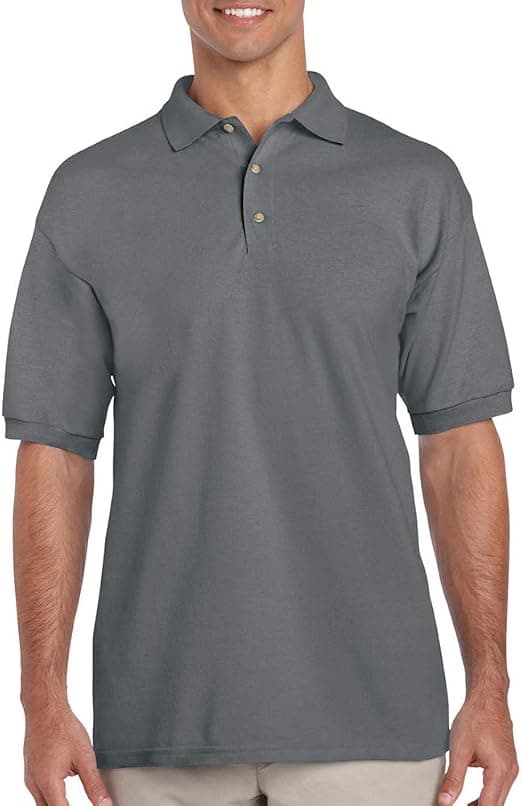
Pick embroidery when the mark is compact, sits on a collared or structured garment, and has to survive constant laundering. It is the right answer for the standard chest logo on a shirt, polo or apron in a guest-facing role. If neither fits — many colours, fine detail, modest quantity — the third option is worth reading about in DTF vs screen printing on corporate uniforms, and raised and applied alternatives are covered in appliqué, patches and woven labels. Side-by-side method notes sit on the comparison page.
One last practical note for a mixed programme: decide the method per garment rather than once for the whole order. A property running polos, aprons and outer layers may well finish up stitched on two of them and printed on the third, and there is nothing inconsistent about that provided the mark reads the same across the set. Consistency lives in the artwork and its position on the body, not in the process used to apply it. Nobody standing across a lobby can tell you which machine put the logo there.