Reading a Wholesale Quote for Corporate Uniforms
By The Velocity Wear Team
A wholesale uniform quote has three parts: a per-piece garment price, decoration charged against that piece, and one-off costs such as the sample and freight. The per-piece figure begins at $20 for corporate uniforms at fifty units and falls as the quantity climbs. Anything not printed on the quote is not in the quote, which is the single most useful rule for reading one.
Read it twice before comparing it against anything else. The first pass is for arithmetic: check that the quantities match what you asked for and that nothing has been priced at a tier you have no intention of reaching. The second pass is for omissions, which are harder to spot because they look like nothing at all. A quote describes one specific job, and two suppliers describing the same job differently produce documents that cannot be laid side by side until you have normalised them. That normalising is the work; the comparison afterwards takes a minute.
Which line on the quote is the unit price?
Look for the figure that is multiplied by your quantity rather than the one at the bottom. That is the number to compare between suppliers, and it is the number that moves when you change how many you order. On the wholesale uniforms page the from-price is stated at the minimum, so a quote showing less per piece usually means you are being quoted at a higher tier than fifty.
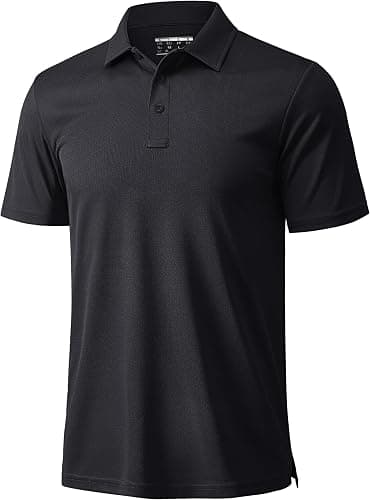
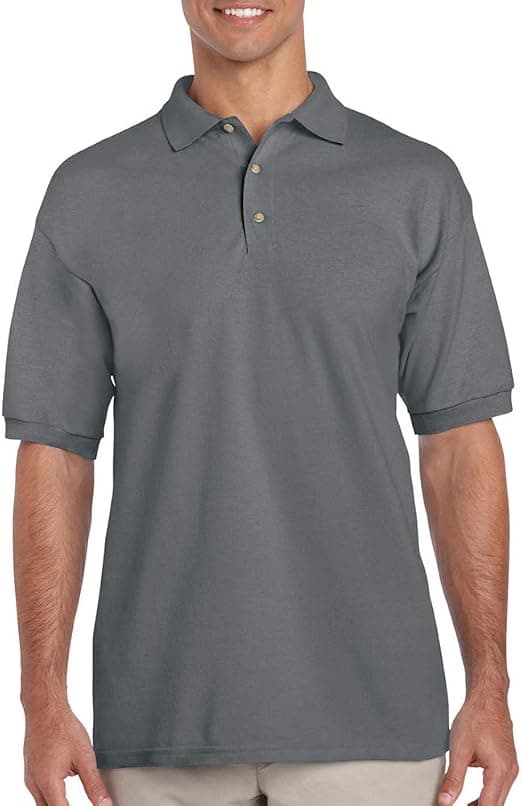
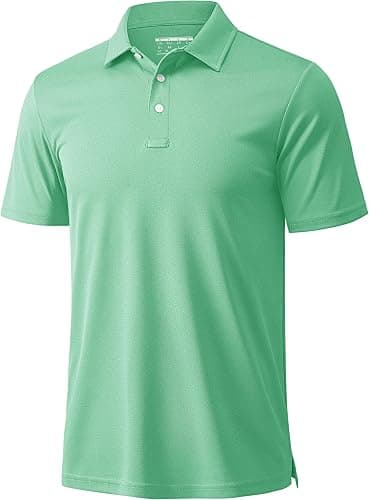
Check which garment that unit price is attached to. A programme covering shirts, polos, aprons and an outer layer will carry a separate rate for each, because they are different garments with different fabric and different make. A single blended average across the whole kit hides which item is driving the bill.
What sits outside the per-piece figure?
The £150 sample is the obvious one, and it is credited back against the bulk order once that order is placed, so it behaves as a deposit rather than a fee if you go ahead. Freight is the other. Delivery runs to the UK, USA and Europe, and the cost of it depends on weight and destination rather than on the garment price, so it lands as its own line.
Private label work is priced separately too. Woven neck labels, tear-out labels, swing tags and bagged packaging each add to the piece, and a quote that includes them will say so explicitly. If your brief asked for branded packaging and the quote does not mention it, it has been left out rather than absorbed.
Why do two quotes for the same shirt differ?
Usually because they are quoting different quantities, different decoration or a different number of designs. Screen printing, DTF, embroidery, 3D puff and sublimation all price differently against the same garment, and a quote assuming a one-colour chest print is not comparable with one assuming stitched backs. The other frequent cause is design count: fifty pieces is per design, so a quote for 100 across two designs is two runs of fifty, not one run of a hundred.
Currency is worth checking before you compare anything. Invoicing is available in seven currencies, and a figure that looks high or low against a rival quote sometimes turns out to be the same number in a different denomination.
What should you ask before approving?
Ask which tier the price assumes, what the next tier down would cost, and what is excluded. The bands on the pricing page step at 100, 250, 500 and 1,000, and the saving reaches 35% at the top, so a quote sitting just under a step is worth one question. Also confirm the production window in writing: 10 to 15 working days runs from artwork approval, not from the day you accept the quote. If the quote arrived vaguer than you hoped, our note on what to send a supplier covers the inputs that tighten it, and the total is easier to plan using the uniform budget walkthrough.