Budgeting a Bulk Uniform Order
By The Velocity Wear Team
Budget a uniform order per head rather than per garment. Start from $20 a piece at fifty units, multiply by how many items each person receives, then add decoration, the £150 sample, freight and a spares allowance. That per-head figure is the number a finance team can approve, and it is the one that survives contact with the final invoice.
Decide early whether this is a one-off purchase or the first year of something ongoing, because the two are budgeted differently. A single rollout is a line with a clear end. A programme that reissues kit to new starters and replaces worn garments is a recurring cost that has to be carried forward into next year. Businesses treating the second as though it were the first end up placing an unbudgeted order eight months later, usually at the entry band because the quantity is small. Naming it as recurring at the outset costs nothing.
How much should you set aside per head?
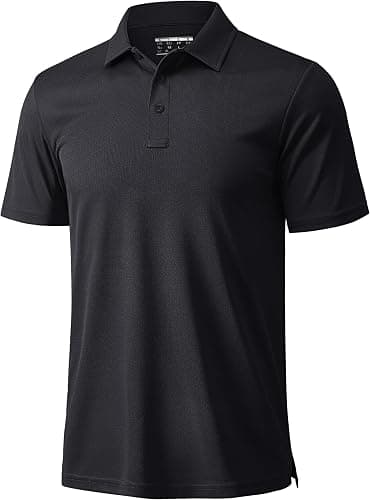
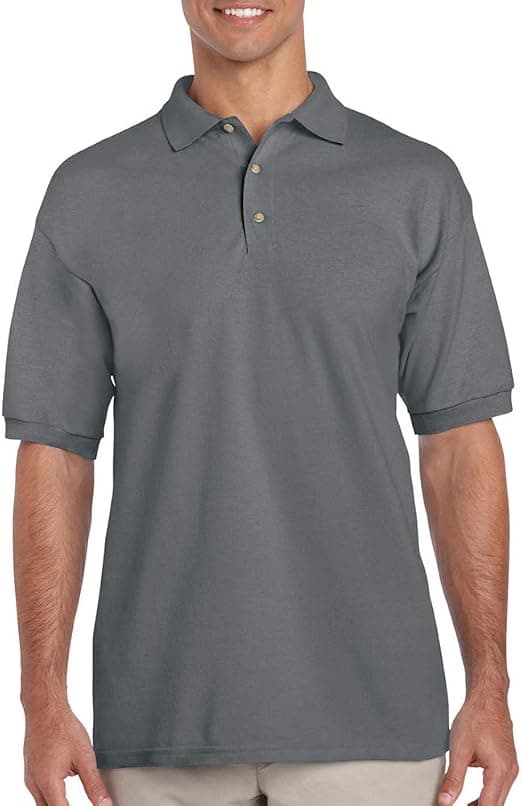
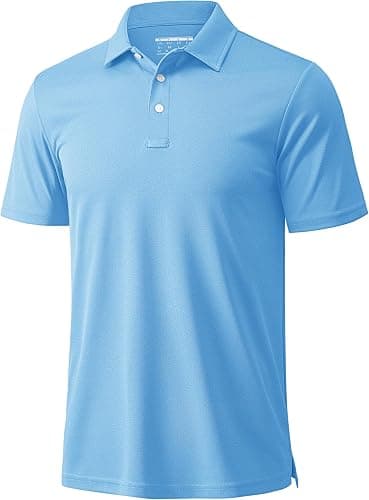
Work out the kit first. One shirt per person is a uniform on paper and a problem in practice, because it cannot be washed and worn on consecutive days. Two or three of the core garment per person is the usual starting point, with one apron or outer layer alongside. Multiply the per-piece rate on the wholesale uniforms page by that kit size and you have the garment half of the budget.
The useful side effect is that a three-item kit for forty staff clears 100 pieces, which puts the order into a better band than the same forty people receiving one shirt each. Kitting people properly and paying less per piece often turn out to be the same decision.
Where does the sample fee land in the budget?
Treat the £150 as a line that appears early and disappears late. It is paid before production, and it is credited against the bulk order when that order is placed, so the cash goes out in one month and comes back off the invoice in another. For an annual budget the net cost is zero if you proceed, but the cashflow timing is real and worth flagging to whoever signs it off.
How far does moving up a tier stretch the money?
Further than most people assume. The bands run 50 to 99, 100 to 249, 250 to 499, 500 to 999 and 1,000 plus, with the saving reaching 35% off the fifty-piece rate at the highest band. Because the discount comes off every piece rather than the extra ones, a budget that only just falls short of a step is usually better spent by reaching it. The full set of steps is on the pricing page.
The counterweight is storage and sizing risk. Buying into a higher band only helps if the extra garments are sizes people will actually take, so the tier decision and the size split decision belong in the same conversation.
What gets forgotten until the invoice arrives?
Four things, mostly. Freight to the UK, USA or Europe, priced on weight and destination. Private label extras such as woven neck labels or swing tags, which are quoted on top of the garment. A second design, which brings its own fifty-piece floor rather than sharing the first one. And spares, because new starters arrive and garments get damaged. If you are reselling rather than issuing the kit, the margin side is covered in pricing uniforms for resale, and the quote structure itself is broken down in reading a wholesale quote.
Timing is a budget line too, in the sense that rushing costs money elsewhere. Production is 10 to 15 working days from artwork approval before anything ships, so a budget approved late tends to get spent on expedited freight instead of on more garments.