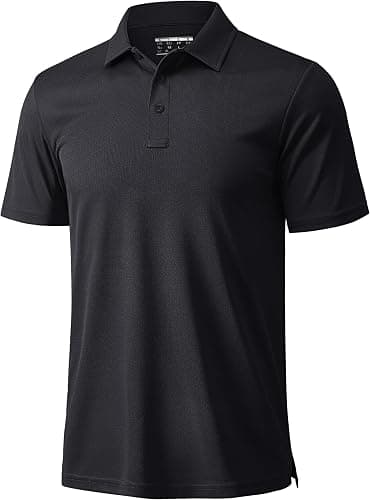
Neck Labels on Wholesale Corporate Uniforms
By The Velocity Wear Team
Three options exist on a bulk uniform order: keep the standard label, replace it with a custom woven one carrying your mark, or use a tear-out label that the wearer removes if it irritates. Full private label goes further, adding swing tags and packaging. All of it is specified before production, because a label cannot be added once the garment is sewn.
What are the label options on a bulk order?
A woven label is stitched into the neck and reads as a manufactured brand garment, which is what most businesses want on a customer-facing uniform. A tear-out label carries the same information on a perforated tab, so anyone who finds neck labels uncomfortable can remove it without cutting into the garment. The standard label is the default and costs nothing extra, and for internal-facing teams it is often the right call.
Woven and printed labels also differ in feel. Woven has texture and durability; printed is flatter and softer against the skin but wears away sooner. Neck labels: woven, printed or tagless works through the trade-offs across all three.
When is it worth replacing the manufacturer tag?
When the garment is seen by customers as part of your brand rather than as workwear, and when staff keep or take home the kit. A hospitality team, a retail floor or a gym all qualify. A warehouse picking team generally does not, and the money is better spent on fabric weight there.
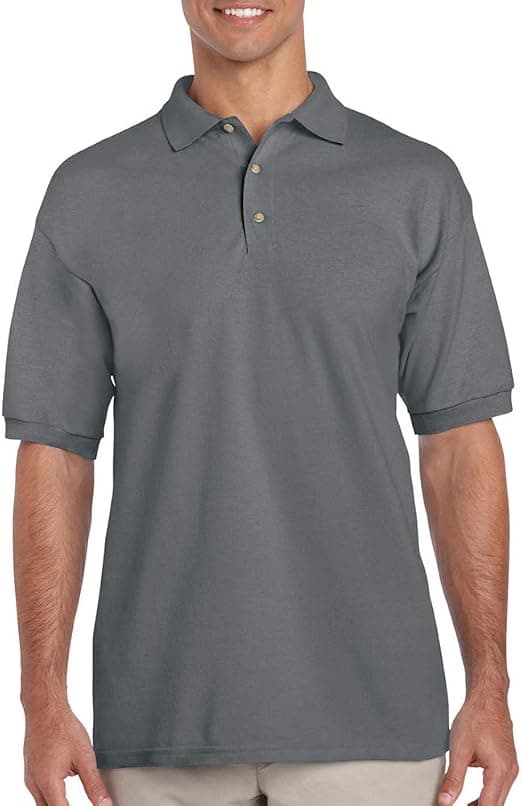
It also matters if you resell any of it. A uniform that doubles as merchandise sold at a counter should not carry another manufacturer name in the collar, and that is the point at which private label stops being cosmetic.
What does private label add beyond the label itself?
Custom woven neck labels, tear-out labels, swing tags and packaging, as a package. Together they change what the garment looks like arriving in someone's hands: a tagged, bagged item rather than a bulk-packed one. That distinction is the whole point if the kit is handed to new starters as a welcome item or sold on.
All of it is specified at artwork stage, alongside the decoration. The wholesale uniforms range carries shirts, polos, aprons and outer layers, and private label can apply across all of them on the same order, with each design still needing fifty pieces. The glossary defines the labelling terms you will see on the quote.
What information has to stay on the garment?
Fibre composition and care instructions, which have to appear somewhere even when the neck label is replaced. In practice they move to a side seam label, which is why a private-label garment usually has two labels rather than none. The requirements vary by destination market, and we ship to the UK, the USA and Europe, so it is worth naming the destination at order stage. What survives which wash cycle is covered in care and washing for corporate uniforms.
On price, labelling is a small line against the garment. Fifty pieces at a $20 starting price per garment is where a uniform order opens, with up to 35% coming off as quantity climbs through the tiers, and adding a woven label across the whole run costs far less than most buyers expect. A sample at £150, credited against the bulk order, will show you the label in place before the run commits.
Comfort is the argument that settles this for a lot of buyers. A label in the wrong position, in the wrong material, on a garment somebody wears for eight hours is the reason that garment ends up cut into and eventually thrown out. Specifying either a soft woven label set low enough to sit flat, or a tear-out version the wearer can deal with themselves, removes a complaint you would otherwise hear about for the life of the programme, and it costs very little at the point of specification.