Corporate Uniforms for Restaurants: samples
By The Velocity Wear Team
The uniform sample costs £150 and is credited against the bulk order that follows, so for a venue proceeding to production it is effectively a deposit. What it buys is certainty on three things a screen cannot show: how the fabric behaves after a wash, how the logo reads at real size, and whether the cut works on the people who will wear it.
There is a second, less obvious benefit: the stage forces every open question to be answered. Colour, fabric, fit, decoration method, mark size and placement all have to be pinned down before a single garment can be made, and that specification becomes the document the bulk run is produced against. Venues that skip straight to production often find the ambiguities surface later as disagreements about what was agreed. Going through the stage properly leaves you with a physical reference and a written spec, which together remove most of that risk.
What does the sample get you before bulk?
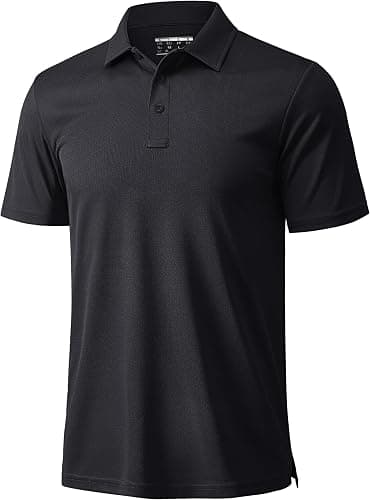
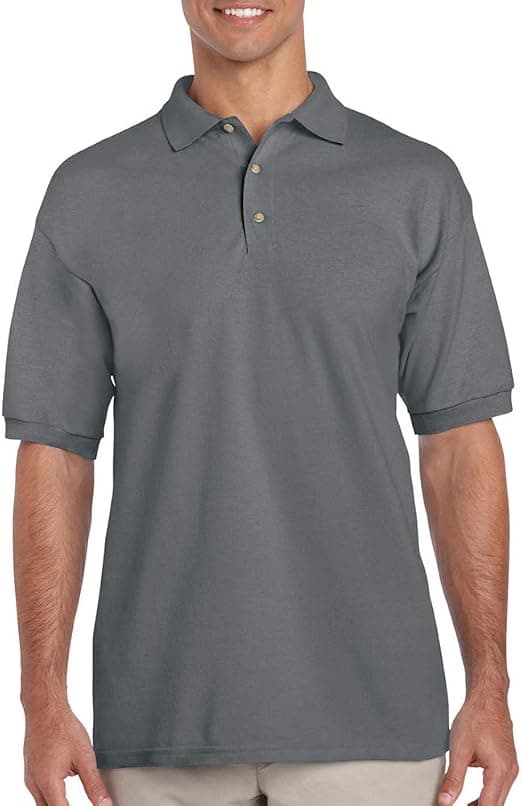
A physical garment in the specified fabric, in the chosen colour, carrying your artwork in the chosen method. That is the only stage at which a mistake costs one garment rather than several hundred. Colour is the usual catch: a navy that looked right on a monitor can sit noticeably off against the rest of a room, and nobody discovers that from a render.
It is also the point where the decoration decision gets settled for good. If you have been undecided between a stitched mark and a printed one, a sample carrying the real logo at real size ends the discussion in about ten seconds. The methods available across the range are set out on the wholesale uniforms page.
What should a chef or server check on it?
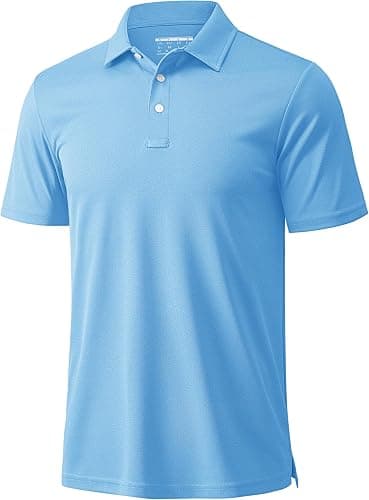
Put it through a real shift rather than holding it up in an office. Someone should wear it on the floor or in the kitchen, then wash it the way the venue actually launders, then wear it again. Ask them about reach, about collar comfort after four hours, and about whether the fabric shows sweat or splashes under the lighting you use.
- How the colour looks under your own service lighting, not daylight
- Whether the mark is still crisp after the first wash at your normal temperature
- Reach and movement when carrying plates or working a pass
- Whether the shirt stays tucked, if tucking is part of the standard
How long does the sample stage add?
Enough that it has to be planned rather than squeezed in. The sample is produced and shipped before the main run begins, and the 10 to 15 working day production window only starts once you approve final artwork after seeing it. A venue with a fixed opening date should build the sample into the schedule from the start; the sequencing is covered in restaurant uniform lead times.
What a sample cannot tell you is how the garment holds up over a year, or how a different size will sit on a different body. It proves the specification, not the whole programme. For the gap between a render and a real garment, see AI mockups versus physical samples, and the wider venue kit is outlined on the restaurants and hospitality page.
Get more than one opinion on it before signing off. The person who chose the design is the least reliable judge of whether it works on a shift, and a general manager who has to defend the choice tends to defend it. Pass the garment round the team, listen to the complaints, and treat the awkward feedback as the useful part. Changing a specification at this stage costs one garment; changing it after production costs the whole run.