Ordering Corporate Uniforms for Leavers Season
By The Velocity Wear Team
Order in spring for the last term. The production window is 10 to 15 working days from artwork approval, and the approval itself is the long pole on a leavers programme because more people have an opinion about it than on any other order. Placing it early in the spring term leaves room for the design conversation without putting the delivery date at risk.
How early does a summer-term order have to go in?
Early enough that the design can change once without anyone panicking. A leavers order typically goes through at least one round of revision, and each round costs days that the production schedule does not absorb. Fixing the date you need the garments in hand, subtracting distribution, transit and the build, then adding two weeks for revision, is the calculation that actually reflects how these orders run.
The end date is genuinely immovable here, which is the difference from a commercial order. Nobody wants kit delivered after the term it was made for. That asymmetry is the argument for placing it a fortnight earlier than the arithmetic strictly requires.
What does the approval step add to the calendar?
On a typical programme, a week. On a leavers programme, often two, because the sign-off is shared. Reduce it by nominating one person to hold the final say before the enquiry goes in, and by agreeing in advance what is actually open for debate. Colour and placement usually are. Garment and quantity, once quoted, usually are not.
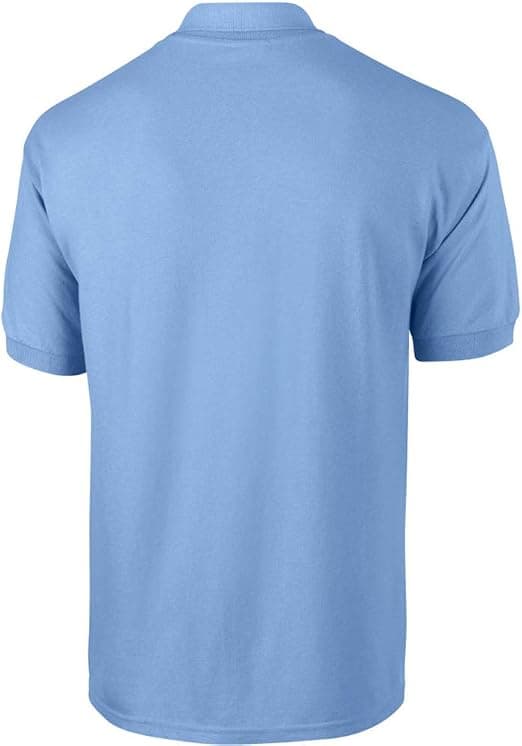
Proofs come back before anything is cut or screened, and nothing enters the build queue until they are signed. That is what protects you from fifty garments with a typo on them, and it is why the clock starts where it does rather than at the enquiry.
How do variants count against the minimum?
Each design needs fifty pieces, and each colourway that requires its own screens counts as its own design. Sizes mix freely inside a design, so one artwork across the full size range is a single order. Where leavers programmes get expensive is variants: a different back print per group, or a second colour for staff, multiplies the number of fifty-piece runs. Deciding that early changes the quote substantially. If the garments need private-label detail such as a woven neck label, our neck labels guide covers what that involves.
Pricing opens at $20 a piece on a fifty-unit run, and climbing the tiers at 100, 250, 500 and 1,000 takes up to 35% off that figure. One design at a larger quantity therefore beats several designs at the minimum, both on price and on the amount of proofing you have to do.
What should go on the quote request?
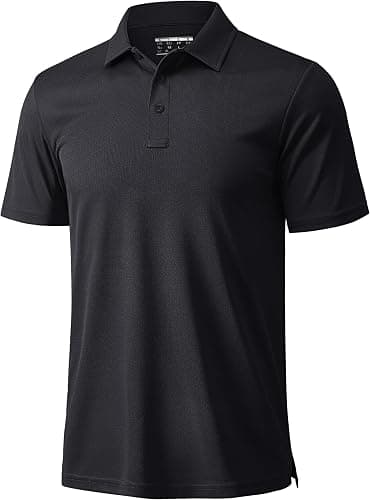
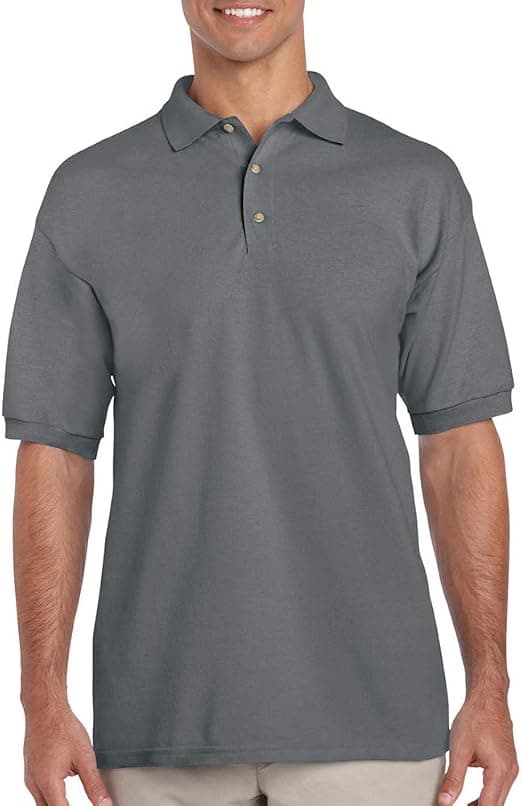
Garment type, quantity, colours, artwork and the date you need it in hand. That last one is the field most people leave blank, and it is the one that lets us tell you straight away whether the schedule works. Shirts, polos, aprons and outer layers all come from the uniforms range on a single enquiry, with jackets quoted per job. If the garment is new to you, a sample at £150 credited against the bulk order settles the fit question before the full run; the samples page explains the process. For a first-time buyer, your first bulk uniform order, step by step walks the whole sequence.
Budget approval deserves its own line in the plan. On this kind of order the money often has to clear a committee that meets monthly, and a decision that misses one meeting waits four weeks for the next. That single constraint has cost more leavers programmes their delivery date than any production issue, and it is entirely visible in advance. Find out when the meeting is before you build the schedule around it, and get the quote in front of that meeting rather than the one after it.