Ordering Corporate Uniforms for Black Friday
By The Velocity Wear Team
Stock needs to be in the building before promo week starts, not arriving during it. Working back from the last Friday in November, that means the order is placed and artwork signed off by the middle of October: 10 to 15 working days of production, plus transit, plus a week of slack for the distribution you have to do internally once the cartons land.
How far back does the deadline really start?
Further than the production window suggests. The build clock starts at artwork approval, so any day spent deciding on a design sits entirely on your side of the schedule. A realistic sequence runs: enquiry and quote, artwork submitted, proof returned and checked, approval, then the 10 to 15 working days. Retail buyers who treat the enquiry date as the start date are the ones who end up calling in the third week of November.
There is also the matter of what happens after delivery. Kit arriving at a head office still has to be counted, split by store and sent out. For a multi-site retailer that is genuinely a week. Ask for the cartons to be packed by destination at the point of order and you can collapse most of it, which is the sort of thing to say early rather than after the goods have shipped.
Why does artwork approval decide the date rather than the order date?
Because nothing is cut or screened until the proof is signed. That is deliberate: a promo uniform with the wrong year on it, or a logo two centimetres off centre, is fifty unusable garments. The proof stage exists precisely to stop that, and it is the one stage a buyer fully controls. Turn proofs around in hours rather than days in October and you buy yourself a week of production slack for free.
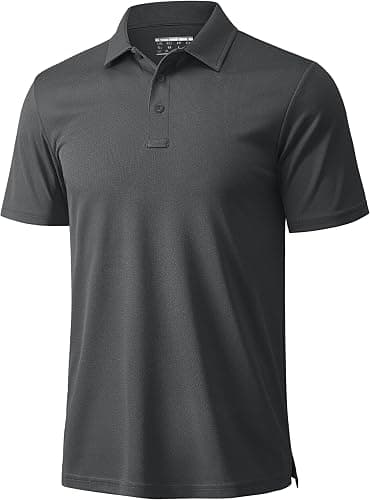
If anything about the garment itself is unproven, run a sample before October. The fee is £150 and it is credited against the bulk order, and the samples process explains what comes back and how long it takes.
How many pieces should sit on the shelf before promo week?
More than your current headcount, because promo periods bring temporary staff. Order the permanent team plus the seasonal intake plus a reserve across the middle sizes. The fifty-piece minimum is per design and sizes mix freely within it, so spares cost you the piece price and nothing else, whereas a shortfall costs you a whole new fifty-piece run for that design. Corporate uniforms are priced from $20 each at the fifty-piece floor, and the discount reaches up to 35% as you climb the tiers at 100, 250, 500 and 1,000.
Think about what the reserve is actually for. Spills happen on a busy floor and a stained shirt has to come off immediately. A small stock of replacements in the stockroom is the difference between a staff member in uniform and a staff member in their own clothes on your busiest trading day.
What if you miss the window entirely?
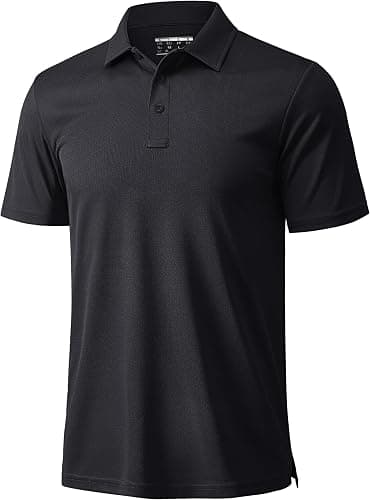
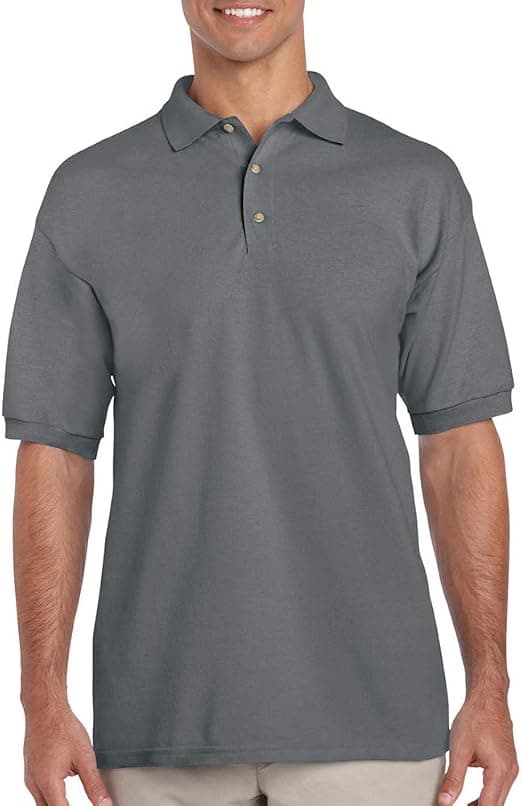
Change the plan rather than the schedule. A simple decorated layer over existing uniform, ordered as one design at fifty pieces, will land faster than a full garment programme because there is less to specify and less to approve. Then place the proper order for the following season while the requirement is fresh, which is exactly the logic behind ordering uniforms for Christmas in October. Either way, check the delivery against the packing list on arrival; our quality checks guide lists what to look at first. The uniforms range covers shirts, polos, aprons and outer layers, with jackets quoted per job.
Whatever you decide, write the date down somewhere the whole team can see it. Retail calendars are crowded in the autumn and a uniform order is rarely anyone's main job, so it slides quietly behind the things with louder deadlines. A named owner and a fixed internal cut-off, agreed in September, does more for the outcome than any amount of chasing in November.