Ordering Corporate Uniforms for Christmas
By The Velocity Wear Team
Order in October for a December rollout. Production takes 10 to 15 working days from the day artwork is approved, and approval itself usually eats a week of back and forth on sizes, colours and logo placement. Add delivery transit and a buffer for the courier congestion that always arrives with the season, and mid-October is the comfortable date rather than the tight one.
When is the last safe date to place a December order?
Count backwards from the day you want boxes open, not the day you want them delivered. Say the kit has to be on staff for the first weekend of December. Allow a few days on site for unpacking and distributing across branches. Allow transit. Then allow the full 15 working days rather than the optimistic 10, because the build window starts at artwork sign-off and not at the enquiry. That arithmetic lands you in the second week of October, and every day you sit on a decision after that comes out of your own buffer.
The step buyers underestimate is approval. A uniform programme is rarely one person deciding. Somebody wants the logo bigger, somebody else queries the apron colour, and the head of operations is on leave for a week. None of that touches our schedule until it is signed, so the honest advice is to get the internal argument finished before the enquiry goes in.
What tends to slip on a seasonal run?
Size counts. Teams change between October and December, seasonal staff join, and an order built on a September headcount is short by the time it arrives. Build in spare pieces across the middle sizes when you place it, because a top-up order is a fresh 50-piece minimum per design, not a handful of extras. That single point costs more seasonal buyers money than anything else in the process.
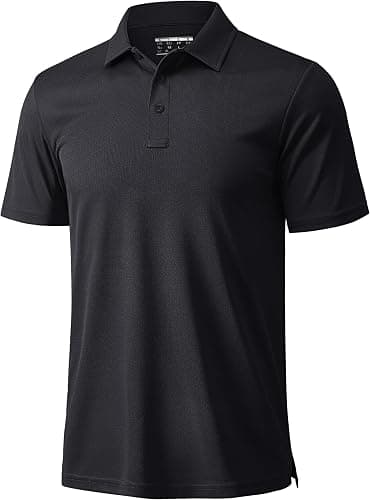
Colour is the other one. A festive accent colour on an apron or a cap is fine, but the base uniform should not be seasonal, or you are buying the whole programme again in January. Our notes on ordering for the new year rush cover running the two orders as a single planned sequence rather than two panics.
Should you sample before the October cut-off?
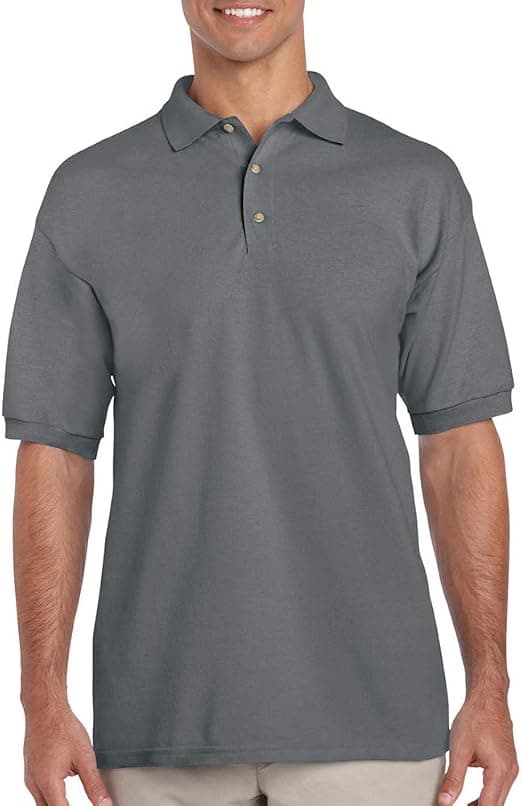
If the garment is new to you, yes, and that is a reason to move the whole timeline forward by a fortnight. A sample is £150 and the fee is credited against the bulk order. What it buys you is certainty on the fit and the finish before fifty or five hundred pieces exist. The samples page sets out how that runs, and the wholesale uniforms range lists what can go into the programme, from shirts and polos through aprons to outer layers.
If you are reordering a garment you already run, skip it and go straight to production. That is the advantage of a repeat programme, and it is why the second December is always calmer than the first.
What does a December uniform refresh cost?
The opening rate is $20 a garment on a fifty-piece order, with the price falling as quantity rises through the bands at 100, 250, 500 and 1,000, reaching up to 35% off the fifty-piece figure at the top. Outer layers are quoted per job because the construction varies. The 50 pieces are per design and sizes mix freely inside it, so a single shirt design across small through to 3XL is one order, not several. Delivery runs to the UK, the USA and Europe, and invoicing is available in seven currencies. If the lead time side is unfamiliar, apparel production lead times explained walks through where the days go.
One detail catches out first-time seasonal buyers more than any other: a working-day count excludes weekends and public holidays, and December has more of the latter than any month in the calendar. Fifteen working days starting in October is three weeks on a wall planner. The same fifteen working days running through late December stretches closer to four. Count against a calendar rather than in your head when you are checking whether a date is still reachable.