T-Shirts for Schools: samples
By The Velocity Wear Team
A sample costs £150 and is credited against the bulk order that follows. For a school it does one thing nothing else can: it puts the crest and the name list in front of you at real size, on the real fabric, before a whole year group is committed. Order it once the artwork is settled and before the cohort numbers are locked, so the days sit in front of the production window.
What does a school sample cost, and when should you order it?
£150, credited back on the bulk order. Order it as soon as the crest is redrawn and the name list is typeset, which is the point at which there is something meaningful to look at. Ordering earlier gets you a blank garment and tells you only about fabric; ordering later pushes the whole schedule toward the end of term. Samples are never free, and on a leavers run this is a very small sum against the risk it removes.
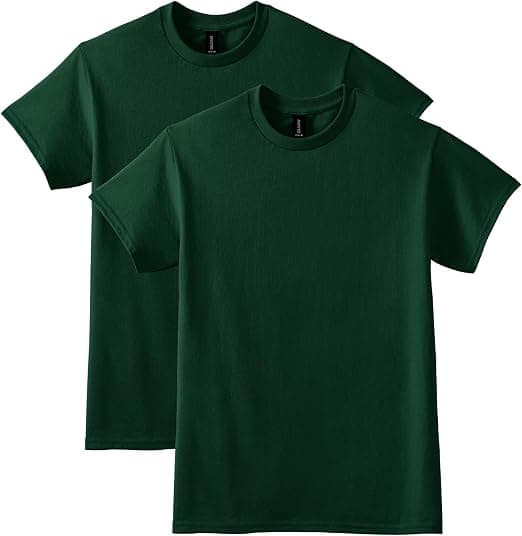
Specify it exactly as you intend to buy. Same weight from the 150–240 GSM combed ring-spun cotton range, same fit, same decoration method, same positions. A sample printed by a different method than the production run will mislead you about the one thing you most want to check. The wholesale t-shirts page lists what can be specified on it.
What should the sample be checked against?
The register, first. Read every name on the printed list against the roll, out loud, with a second person following. Errors that are invisible on a screen become obvious on fabric, and a misspelling that reaches production is permanent across the entire cohort. Then check the crest: colours against your school palette, fine type for legibility at arms length, and the mark sitting where the proof said it would.
After that, treat it as a garment. Wash it several times and dry it the way a teenager will, then look at the small type on the back print. Measure it against the size chart you published, because that chart is what the whole cohort ordered from. The decoration questions behind all of this are covered in print or embroidery for school shirts.
Who should see the sample before sign-off?
Whoever can still object after the order arrives. In practice that means the head or deputy who approved the crest, the member of staff running the leavers event, and at least one pupil representative, since they are the ones who will actually wear it. Getting all three to look at one physical shirt on one afternoon is far quicker than circulating a proof and collecting opinions for a fortnight. Our schools and leavers page covers the other items worth putting in front of the same group.
Give them something specific to look at rather than asking whether they like it. Ask the head whether the crest colours are right, the event lead whether the shirt suits the occasion, and the pupil whether they would wear it outside school. Open-ended approval produces vague comments a fortnight later; three direct questions produce three answers in an afternoon. Write down what each of them said and attach it to the approval, so nobody reopens a settled decision once the run is in production.
Does the sample delay the main run?
It adds days in front of production rather than inside it. The sample is made and shipped, you look at it, then artwork approval starts the 10–15 working day production window. Those days are cheap if you plan for them and expensive if you do not, which is why the sample stage belongs in the calendar from the start rather than being squeezed in later. The school lead time shows where it sits against a term deadline.