Seasonal Staff Uniforms: Planning Summer and Winter Layers
By The Velocity Wear Team
Need this made?Get pricing for this product— free, no obligation, 50 pieces minimum.
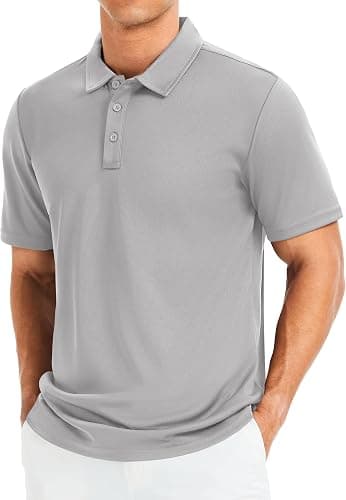
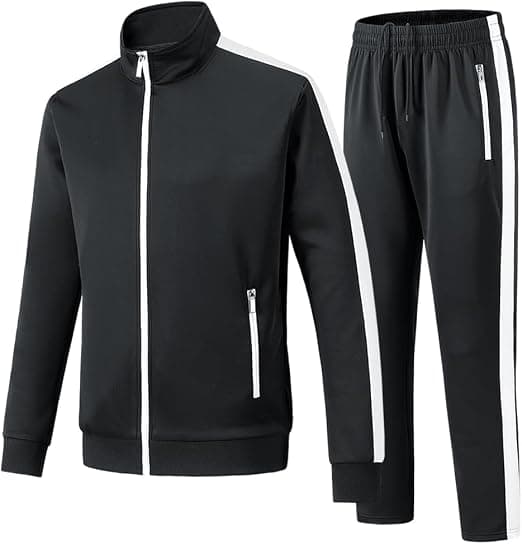
Seasonal staff uniforms work best as one set of layers: a polo or t-shirt that is the whole uniform in summer and the base layer in winter, with a fleece, hoodie or softshell jacket added as it turns cold, every piece embroidered with the same logo. Velocity Wear makes each garment from 50 pieces per design in 10 to 15 working days from artwork approval, before freight.
What should staff wear in summer and in winter?
Keep the base layer the same all year and change what goes over it. Staff then own one set of tops, the brand looks identical in both seasons, and the winter order is only the extra layers. The table maps a typical year.
| Layer | Summer | Winter | Typical fabric |
|---|---|---|---|
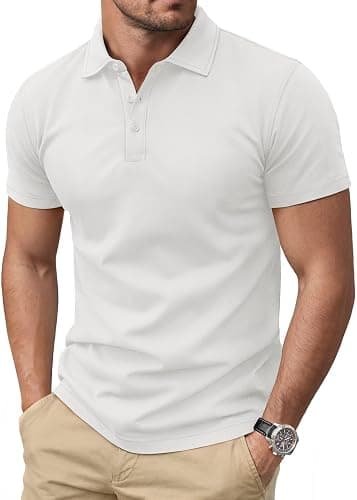
| Base: polo or t-shirt | Worn on its own | Worn under everything | 200–220 GSM piqué cotton or 65/35 poly-cotton |
| Mid: fleece or hoodie | Kept for early starts and chilled rooms | Worn every shift | 300–340 GSM |
| Outer: jacket | Rarely needed | Outdoor, door and yard roles | Softshell or other outerwear |
| Headwear: cap | Sun and glare | Light rain | One size, adjustable |
| Bottoms: trousers | Same pairs all year | Same pairs all year | Twill or poly-cotton drill |
Piqué is the fine honeycomb knit on a classic polo, and a 65/35 poly-cotton (65% polyester, 35% cotton) is the better pick where tops go through a hot wash every day, which is most of summer. GSM, grams per square metre, is the weight of the fabric, so a 300–340 GSM fleece is a properly warm layer.
How do you keep the brand look the same all year?
Fix the logo file, the thread colours and the chest position, then choose every layer from one palette. Customers only see the top layer, so a fleece or jacket that covers a branded polo needs the same logo at the same height, or the team goes unbranded for half the year.
Stock colours make that simple. Navy, black, charcoal, grey marl, white, bottle green, burgundy and royal blue are held at the 50-piece minimum on our corporate uniform range, so a charcoal fleece ordered in autumn sits properly beside navy polos bought in spring. A custom brand colour is a dyed-to-match run needing a lab dip approval and a higher minimum, which adds a step before production, so settle it before the first season, not the second.
When should you order winter uniforms?
Order winter layers while it is still warm, and extra summer polos in spring, before hot shifts bring more changes and more washing. Sizes have to be collected and the proof signed off before production starts, then come 10 to 15 working days of making and the freight on top. Working back from the day staff need the kit:
- 1Collect sizes, asking staff to choose the fleece to fit over their uniform top.
- 2Approve the proof for each new garment; the production clock starts at that sign-off.
- 3Allow 10 to 15 working days of production.
- 4Add the freight time quoted for your delivery country.
- 5Leave a few days to sort, label and hand out the kit before the first cold week.
How many of each layer does each person need?
Base tops follow shifts and washing, usually three per person and more in hot months, as how many uniforms per employee works out. Warm layers are washed less, so one fleece covers most indoor roles and outdoor staff in wet weather get two, with one jacket each. Drivers and loading bays lean hardest on those layers: see delivery driver uniforms and warehouse and logistics uniforms, with softshells in our outerwear range.
Should you order both seasons at once?
One combined order means one proof round, one shipment and every garment embroidered from the same file in the same run. Splitting spreads the cost across the year and lets you size the winter layer for the team you have in autumn rather than the one you had in spring. A steady headcount suits the first; a business that hires for summer peaks suits the second, and the seasonal workwear programme plans a full year across several sites.
Splitting does not cost you consistency. Your size grade, colour references, artwork and thread codes stay on file, so September's fleeces carry exactly the embroidery on April's polos. Uniforms start from $20 per piece at 50, with lower prices at 100, 250, 500 and 1,000 pieces, reaching up to 35% off the 50-piece price.
Planning next season's order
Send the headcount, the layers you need and for which roles, a size list, your logo, the delivery country and the date the kit must be handed out, through the enquiry form on this page. A priced reply usually arrives within hours on working days, and every garment and colour is set out on our uniforms page.