Warehouse Uniforms: Logistics Workwear That Holds Up
By The Velocity Wear Team
Need this made?Get pricing for this product— free, no obligation, 50 pieces minimum.
Warehouse uniforms have to survive picking, packing and loading: 240 GSM twill or poly-cotton drill for hard-wearing trousers and layers, 300–340 GSM fleeces for cold loading bays, and embroidered logos that last through 60°C washes. Velocity Wear makes them from 50 pieces per design, graded XS–5XL with sizes mixed freely inside each 50, in 10 to 15 working days from artwork approval.
What should warehouse staff wear?
Dress each zone for what it does to clothing. Pickers reach and bend all shift, packers rub against benches and tape guns, and loading teams stand in open doorways, so one garment rarely suits everyone even when the logo is the same.
| Zone | What wears the kit out | Garment | Fabric and branding |
|---|---|---|---|
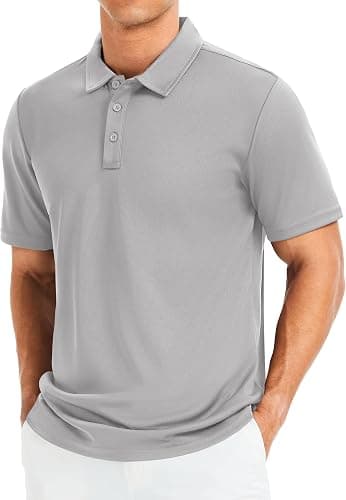
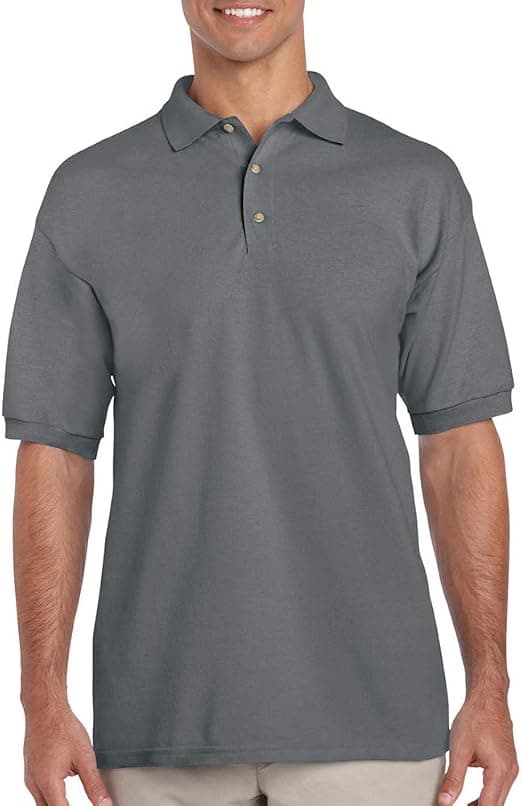
| Picking aisles | Reaching, bending, shelf edges | Polo or t-shirt | 65/35 poly-cotton for daily hot washing; embroidered chest |
| Packing benches | Friction at cuffs and waist, cardboard dust | Polo with work trousers | 240 GSM twill or poly-cotton drill trousers; logo on the top |
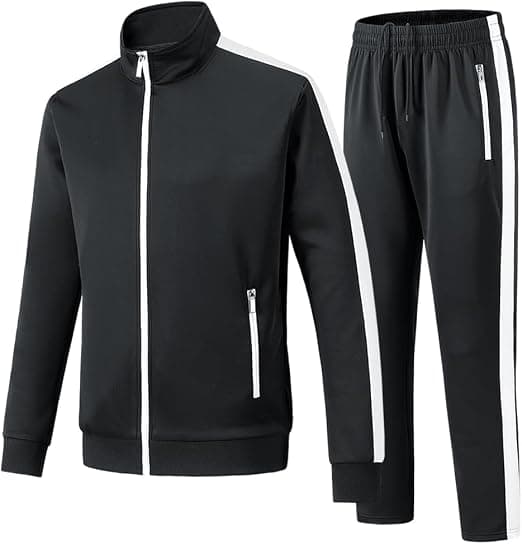
| Goods in and loading bay | Cold air through open doors | Fleece or hoodie over the polo | 300–340 GSM; embroidered at the polo's logo height |
| Yard | Weather and moving vehicles | Jacket, hi-vis where rules require it | Outerwear; embroidered chest |
| Team leaders | Needing to be found across the floor | Polo in a second stock colour | Role embroidered under the logo |
Which fabrics last longest in a warehouse?
Heavier, tighter cloth outlasts light cloth. Twill is a weave with a diagonal rib, and drill is a tough fabric woven the same way; at 240 GSM (grams per square metre) either resists snagging on pallet corners and shrink wrap, and holds a press. Fleeces and hoodies at 300–340 GSM are thick enough for a cold bay without a coat getting in the way of lifting.
Every fabric we quote for uniforms is pre-shrunk, colour-locked and specified for industrial laundering: 60°C cycles and tumble drying. In logistics, where kit is often washed after every shift, a uniform that fades out of match within months is one you buy twice. Garments and weights are listed on our warehouse and logistics uniform range.
Why embroider warehouse clothing instead of printing it?
Embroidery survives the hot, frequent washing warehouse kit gets, and a stitched logo does not crack, peel or ghost the way a print does. Print has one good job on a large site: a big back print, such as a zone name like GOODS IN, that a supervisor can read from the far end of an aisle. Use both, keeping the embroidered chest logo constant.
Is a warehouse uniform the same as PPE?
No. A branded polo or fleece identifies your team; it does not replace safety footwear, gloves or certified high-visibility clothing where a site needs them. Hi-vis yellow and orange are stock uniform colours, but colour is not certification, so if your yard or a client's site specifies a high-visibility standard, name it in your enquiry. Freezer suits and cold-store protective clothing are not in our range, and our construction and trades page covers kit for tougher sites.
How do you size a uniform across three shifts?
Collect sizes per person, never per shift. Night and weekend teams are the ones most often missed; ordering uniform for shift workers sets out a collection routine that reaches them. Standard uniform lines run XS–5XL, and ladies-fit polos and shirts are cut on their own pattern rather than scaled down, so offer both cuts on the size form. Tops washed after every dirty shift need four or five per person; how many uniforms per employee has the full table.
Planning reorders for peak-season temps
Peak season brings agency and temporary staff, often in the weeks before Black Friday and Christmas. Kit them from a reserve of unnamed spares in the commonest sizes, ordered before the rush, rather than a panic order once it starts: production takes 10 to 15 working days from artwork approval, plus freight. Logo-only garments handed back at the end of peak can be laundered and reissued next year.
Top-ups match the original run because your size grade, colour references, artwork and thread codes stay on file at Velocity Wear, and reorders carry the same 50-piece minimum per design. Uniforms start from $20 per piece at 50, falling at 100, 250, 500 and 1,000 pieces to up to 35% off the 50-piece price, so one pre-peak order can reach a cheaper tier than several small ones.
What to send for a warehouse quote
Send headcount by shift and zone, the garments for each, sizes if you have them, your logo, the delivery country (or each site, if kit goes to several) and the date it must be on the floor, using the enquiry form on this page. A price usually follows within hours on working days. Drivers have their own guide in delivery driver uniforms, and the complete garment list is on our corporate uniforms page.