Puff Print Hoodies: How 3D Print Works and When to Use It
By The Velocity Wear Team
Puff print has quietly taken over. It's on leavers hoodies, on independent streetwear drops, on university merch. Run your thumb across it and the design is raised, soft and slightly rubbery. It gives a flat hoodie some texture without the cost or stiffness of big embroidery. But it has rules, and ignoring them gets you blobs.
How puff print actually works
It's a screen printing ink with an additive that expands when it's heated. The design is printed in the normal way, then cured, and the heat makes the ink swell upward. The result sits a few millimetres proud of the fabric with a matte, slightly spongy finish.
Because it swells, it also spreads a little. That's the whole reason detail gets lost.
Designs that suit puff print
- Chunky, bold lettering. Varsity-style fonts, rounded sans serifs and heavy script all look fantastic.
- Year numbers, initials and short words. Think 2027, a brand name, a city.
- Simple icons and logos with solid shapes and plenty of space between elements.
- One or two colours. Puff looks best when the texture does the talking.
Designs that don't
- Thin serif fonts and hairline strokes, which close up as the ink expands.
- Small text under about a centimetre high.
- Photographs, gradients and anything with fine shading.
- Huge solid areas. A massive block of puff is heavy and can feel like a sticker.
A good compromise for detailed brands: puff print the main word or icon, and print the smaller detail flat around it. You get the texture where people notice it without fighting the process.
Tonal puff is the look of the moment
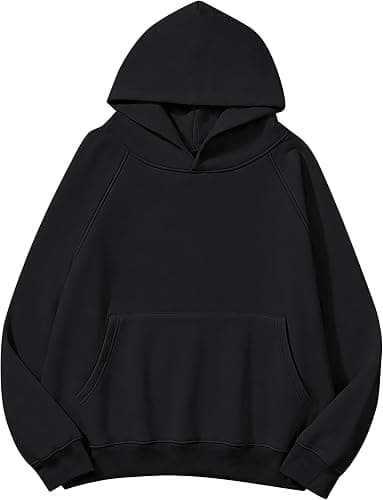
Black puff on a black hoodie, cream on cream, grey on grey. From a distance it's almost invisible. Up close it's obviously deliberate and expensive-looking. It's also forgiving if your audience doesn't want loud branding. If you want contrast, white or cream puff on a dark hoodie is the classic.
Durability
Properly cured puff print holds up well to normal wear. It's not quite as bulletproof as embroidery. Tell customers or group members to wash inside out, on a cool wash, and skip the tumble dryer. High heat is the enemy of any textured print, and ironing directly on it will flatten it.
Puff print or embroidery?
Both add texture. Embroidery feels more traditional and lasts longer. Puff feels more streetwear, handles larger lettering more comfortably, and suits big back designs where embroidery would be too heavy. If you can't decide, embroider a small chest logo and puff print a word across the back. It's a combination that almost always looks good.
Colours that make puff print pop
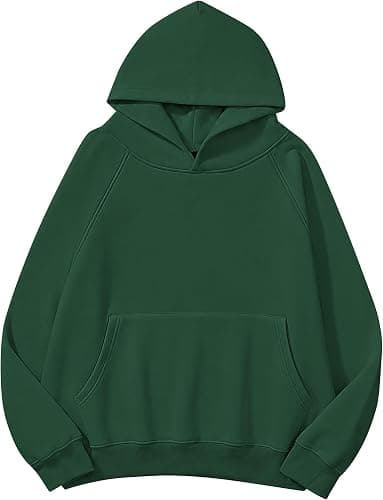
Puff print looks best with some contrast or a tonal shade that catches light. White or cream on black, navy or bottle green is bold. Black on charcoal or cream on stone is subtle but still shows texture in photos. Very dark ink on very dark fabric can lose the raised effect in pictures, so photograph a sample in natural light before committing.
Ordering puff print hoodies
Send vector artwork and tell us you want puff. We'll check the design suits it and flag any lines that need thickening before you approve a proof. Puff print costs a touch more than a standard screen print, and the price calculator will give you a sense of totals.
The minimum is 20 hoodies per design, sizes mixed, and production is 10 to 15 working days from approval. Pick a blank from our custom hoodies range. A heavier fabric sets puff print off nicely, which our heavyweight hoodie guide explains.