Polo Shirts for Schools: lead time
By The Velocity Wear Team
Production takes 10 to 15 working days from artwork approval, with delivery transit on top. The part schools underestimate is everything before approval: collecting sizes, getting the order signed off and agreeing the crest artwork. Count backwards from your term date through transit, through production, and then through those three steps, and start earlier than the total suggests.
What does the timeline actually look like?
- 1Specification and quote: fabric, colour, collar, decoration positions and quantity per design.
- 2Sizes collected against names, with a closing date and a default for non-responders.
- 3Artwork supplied and approved. The production clock starts here, not at the order date.
- 4Production: 10 to 15 working days.
- 5Transit to the site country, quoted alongside the order itself.
- 6Sorting and handout at the school, which needs its own slot in the calendar.
Steps one to three are where schools lose weeks, and none of them are in a supplier schedule. A crest that exists only as a scan from a prospectus, a purchase order waiting on a governors meeting and a size form nobody has closed will each add days that no amount of production speed recovers.
When should a school place the order?
For September, before the summer holiday rather than during it, because the approval chain thins out when the school is closed. For a leavers order, place it when the cohort list is stable rather than when the event is announced, since a name list that is still changing cannot be sent to artwork. For PE kit tied to a season, order in the term before the one it is needed in.
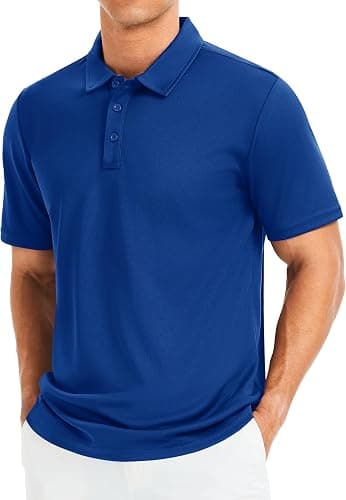
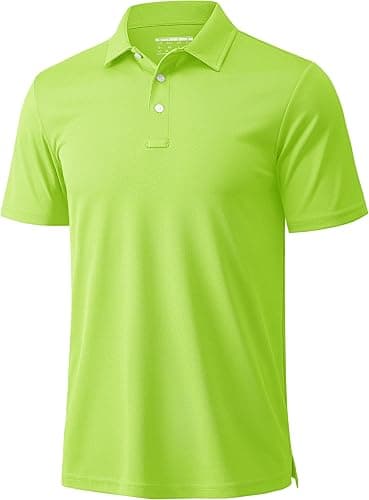
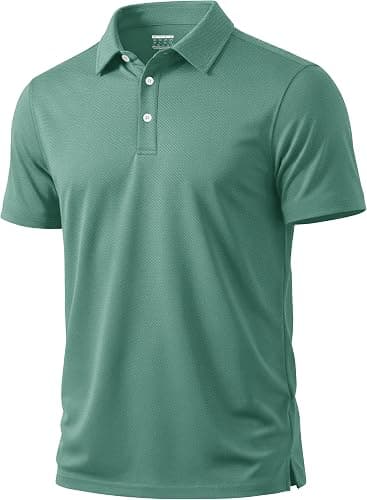
The schools and leavers page covers the products that tend to land on the same deadline, and it is worth ordering everything that shares a date in one conversation. Polos start at $18 a piece at the 50-piece minimum, and the wholesale polo shirts page has the fabric and collar options so the specification can be settled in one pass rather than three.
Does a sample add to the lead time?
It adds time before the clock starts, so plan it in rather than bolting it on. The sample is £150 and credited against the bulk order, and for a school it answers the questions that cause the most trouble later: whether the crest reads clearly at the size you want, how the collar sits on a child, and whether the shade matches the rest of the uniform. Approve the sample, then approve the artwork, then the 10 to 15 working days begin. How school polo samples work covers what to check while you have one in your hands.
What happens if the date is already tight?
Simplify rather than rush. One decoration position instead of two, one colourway instead of three, and a size split with a sensible default rather than a perfect headcount. Each of those removes a step that would otherwise have to be completed before production could start. What does not help is splitting the order in two, because the second half is a separate order at the 50-piece minimum with its own lead time.
Be honest with the date at quote stage. A hard deadline written into the brief gets planned around; a deadline mentioned after approval gets discovered. The cost side of that planning is in what school polo shirts cost, which is usually the other half of the same decision.
What should go in the calendar?
Four dates, working backwards from the day the shirts are needed. The handout day itself, allowing time to sort boxes into name bags. The expected delivery, which is transit after the production window. The artwork approval date, which is 10 to 15 working days before that. And the size form closing date, which has to sit early enough that a chase round still fits before approval. Written down as four dates rather than one deadline, a school polo order stops being a scramble and becomes a sequence anybody can pick up and run.