Polo Shirts for Schools: cost
By The Velocity Wear Team
School polo shirts start at $18 a piece at the 50-piece minimum, with sizes mixed freely inside that 50. The price falls as quantity rises through five bands, reaching up to 35% below the opening figure at the largest volumes. Decoration, any private label finishing and delivery sit on top as separate lines rather than inside the per-piece price.
What does the per-piece price depend on?
Quantity first, and it is quantity per design. A school ordering one polo for the whole of Year 11 is in a very different position from a school ordering four house colours, because each colourway that needs its own screens carries its own minimum of 50 pieces. The four-colour version is four orders sitting in the lowest band, not one order in a high one.
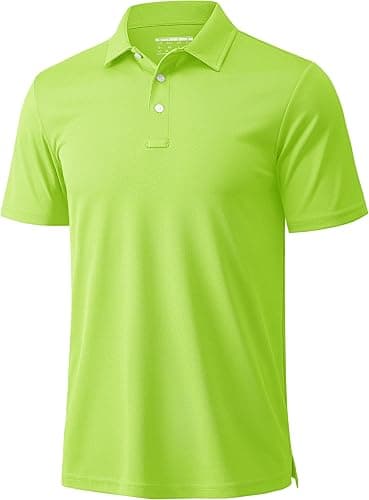
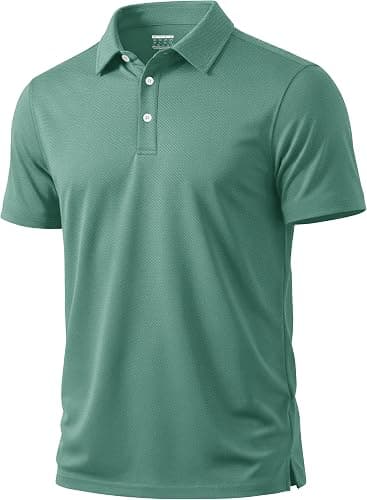
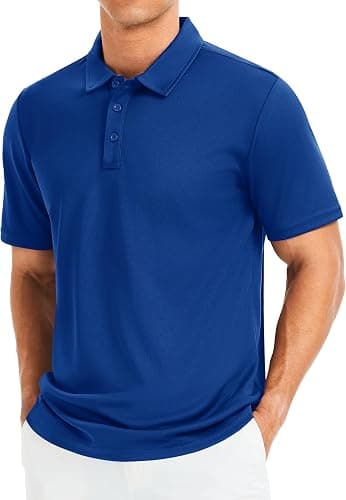
Fabric is the second lever. A piqué cotton is the traditional school polo and it takes a heat-of-the-day term well; a performance knit suits PE and sports kit where the shirt is worn hard and washed constantly. Both are on the wholesale polo shirts page, and the bands that move the price — 50–99, 100–249, 250–499, 500–999 and 1,000+ — are set out on the pricing page.
Which costs land on top of the garment?
- Decoration, priced by method and by position: a crest on the chest is one, a year group on the back is two.
- Setup, charged once per position regardless of run length, which is why 300 shirts cost far less each than 50.
- The sample at £150, credited back against the bulk order when it goes ahead.
- Private label work if you want it, such as a woven neck label carrying the school name.
- Delivery, quoted on weight and destination rather than per shirt.
For a school the setup line is usually the one worth attention, because school orders tend to be a fixed cohort size that cannot simply be increased. If 90 pupils need a shirt, you order roughly 90, and the setup is spread across 90 rather than across a number you chose.
How do you keep the cost down without cutting the fabric?
Consolidate designs. One polo with a single crest, ordered across the whole year group, beats separate designs per form or per house on every measure: fewer setups, a higher quantity band and no risk of ending up with 40 shirts in one colour and 110 in another. If houses matter, distinguish them with something that is not a separate garment order.
Combine orders across departments where you can. A PE polo and an admin staff polo in the same fabric and colour, ordered together, is one run instead of two. The schools and leavers page covers what tends to get ordered together across a school year, and budgeting a bulk polo order works through the arithmetic line by line.
When should the cost be approved?
Before artwork, and earlier than feels necessary. Production takes 10 to 15 working days from artwork approval and transit comes after that, so an order waiting on a purchase order in September is not landing at the start of term. Schools run to fixed dates that nobody can move, which makes the approval step the real deadline rather than the factory schedule. Lead times for school polo orders sets out the full timeline to work backwards from.
Build a small buffer into the approved figure. Extra shirts inside the original run cost the garment price only, whereas a top-up in November is a new order carrying its own 50-piece minimum, and that is a budget conversation nobody wants to have twice in a term.
How should the cost be presented to a budget holder?
As a cost per pupil for the year, not as a total. A figure of a few pounds per head for a garment worn daily across three terms is a different conversation from a four-figure invoice with no denominator attached. Break it into garment, decoration, setup and delivery so the parts that are fixed are visible as fixed, then show the same total at the next quantity band up. Budget holders approve numbers they can compare, and a single lump sum gives them nothing to compare it to.