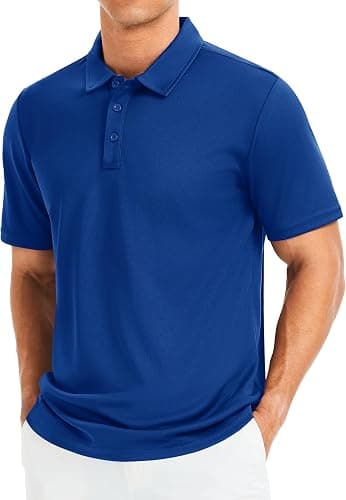
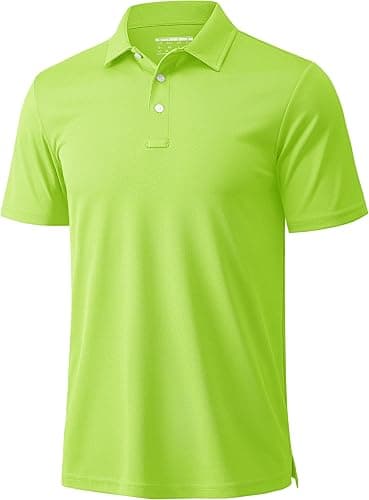
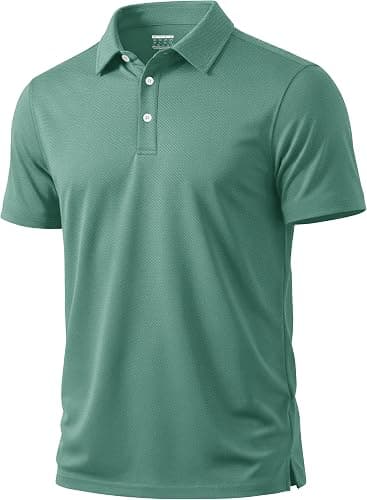
Budgeting a Bulk polo shirt Order
By The Velocity Wear Team
Budget a polo order in five lines: garment, decoration, setup, sample and delivery. Garments open at $18 a piece at the 50-piece minimum and fall with volume. Setup is fixed per position. The sample is £150 and comes back off the bulk invoice. Delivery is weight-based. Add them, divide by the piece count, and that figure is your real cost.
Where does the money actually go?
On a first order the split is rarely what people expect. The garments are the largest number, but setup and the sample together can be a meaningful share of a 50-piece run, and both of them are flat. Order 50 and you carry the whole setup across 50 shirts. Order 250 and the same setup is spread five ways while the garment price has also stepped down two bands.
That is why the useful budgeting question is not what a polo costs, but what the whole job costs at three different quantities. Price it at 50, at 100 and at 250 before you decide. The pricing page shows the bands — 50–99, 100–249, 250–499, 500–999 and 1,000+ — and the discount reaches up to 35% measured from the 50-piece price.
What does the sample do to the budget?
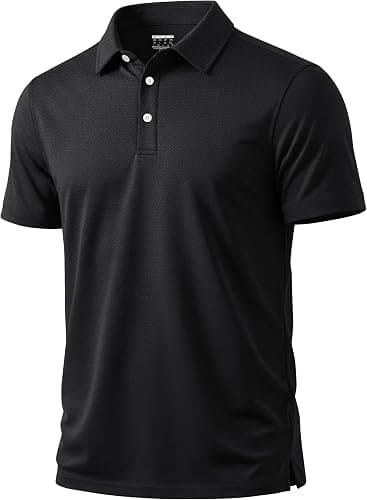
Very little, in the end. The sample is £150 and that amount is credited against the bulk order, so if you proceed it is a timing difference rather than a cost. Where it does bite is cashflow on a tight schedule, because you pay it before the main invoice exists. Budget it as a separate early outgoing and then remember to take it off the final figure, otherwise you will double-count it.
If you are ordering for a uniform that has to last, the sample is the least expensive insurance in the process. Fabric weight, collar behaviour after a wash and the exact shade of your brand colour are all things you can only really judge in your hands.
Which lines can you trim without ruining the order?
- Positions. Dropping a sleeve mark removes a whole setup, and most people never notice it is gone.
- Colourways. Two colours is two lots of 50, so a single colourway at 100 often costs less than two at 50.
- Private label extras. Woven neck labels and swing tags are worth it on retail stock and rarely worth it on staff kit.
- Individual bagging. Bulk-packed by size costs less than bagged per person, if you are happy to sort them yourself.
What is usually not worth trimming is the fabric. Dropping to a lighter knit to save on the garment line is the change people regret first, because it shows up after ten washes rather than on arrival. The wholesale polo shirts page lists the piqué and performance options so you can see what the difference buys you.
How do you budget for a repeat order?
Cheaper, and you should plan for that. The setup already exists, the artwork is already digitised and the specification is signed off, so a reorder is mostly garments and delivery. The catch is that a reorder placed as a separate 50 does not combine with your first order for the quantity bands; each order is priced on its own volume. If you know you will need 150 across a year, ordering 150 at once beats three runs of 50 on both price and colour consistency.
What is the landed cost per shirt?
Add garment, decoration, setup and delivery, subtract the sample credit, and divide by the pieces. That number is the one to plan around, whether you are costing a uniform per head or working out a shelf price. If the shirts are going out for sale rather than onto a team, pricing polo shirts for resale takes that landed figure through to a retail decision, and reading a wholesale quote explains where each of those lines appears on the paperwork.