Pricing Polo Shirts for Resale
By The Velocity Wear Team
Price resale polos from landed cost, not from the quote. Landed cost is the garment, the decoration, the setup spread across the run and the delivery, all divided by the pieces you actually receive. Your margin then has to carry payment fees, returns, the sizes that never sell and the cost of holding stock. Work back from that, not from a multiplier someone told you.
How do you build the landed cost?
Start at the garment line. Polos open at $18 a piece at the 50-piece minimum and step down through the quantity bands, with up to 35% off that opening figure at the highest volume. Add the decoration, then add the setup as a single figure divided by your run length, then add freight to your door. What comes out is what one shirt genuinely cost you, and it is almost always higher than the number people quote in their heads.
Two levers move it. Volume, because the bands on the pricing page are real steps rather than a smooth curve, and simplicity, because every extra print position is another fixed cost spread across the same pieces. A single-position polo at 250 has a very different landed cost from a three-position polo at 50.
What does the margin have to survive?
- Card and platform fees on every sale, taken off the retail price before anything reaches you.
- Returns and exchanges, which in apparel are driven mostly by fit rather than fault.
- The tail sizes. A size curve that sells out of M and L leaves XS and XXL sitting there.
- Storage and handling, whether that is a unit, a spare room or a fulfilment account.
- Discounting, because some of the run will eventually move at less than full price.
A margin that looks generous against landed cost often looks thin once those five have taken their share. Model the run as a whole rather than per shirt: if you sell 80% of 100 pieces at full price and the rest at a discount, that is your real revenue, and your landed cost was paid on all 100.
Does private label change what you can charge?
It changes what the product is. A blank polo with a printed logo reads as merch. The same polo with a custom woven neck label, a tear-out size label and a branded swing tag reads as a garment from your label, and it can sit on a rail next to anything else without explaining itself. Those finishes are quoted separately, so price them in deliberately and decide whether your customer is paying for them.
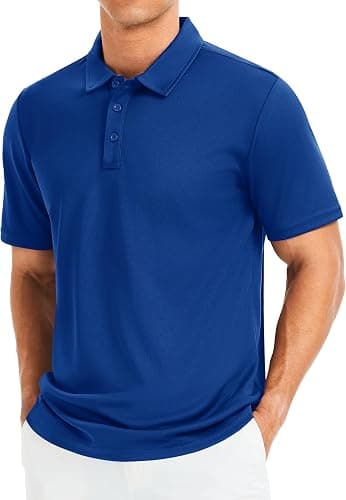
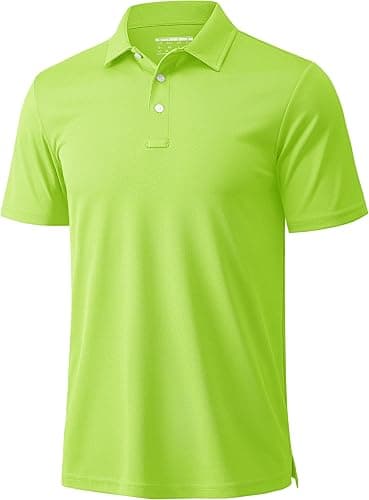
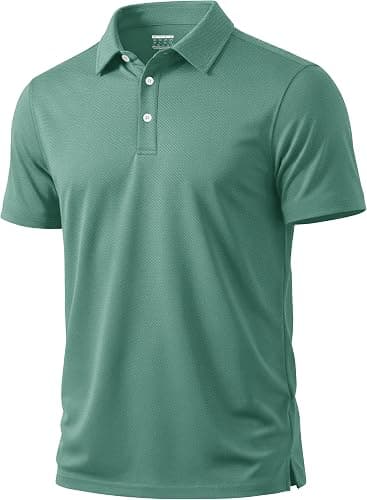
Fabric choice pulls in the same direction. Piqué cotton is what most buyers expect from a polo and it photographs well; a performance knit suits a sports or club range where the shirt gets worn hard. The wholesale polo shirts page sets out both, and piqué, fit and embroidery goes into what each one feels like in the hand.
How big should a first resale run be?
Big enough to be worth selling, small enough to be wrong about. The minimum is 50 pieces per design, and for an untested product that is often exactly the right number, even though the per-piece cost is at its highest there. Finding out that your size curve is skewed on 50 shirts is a cheaper lesson than finding out on 500. Once a design proves itself, the reorder lands in a better band and the setup is already paid for.
Order a sample before the run. It is £150, credited against the bulk order, and for resale it doubles as your photography sample and your fit reference. If you want the full picture of what the run costs before you set a price, budgeting a bulk polo order works through every line on the invoice.