Reading a Wholesale Quote for Polo Shirts
By The Velocity Wear Team
A wholesale polo quote has four parts: the garment price per piece, the decoration, one-off setup, and delivery. Only the first moves with your quantity band. The rest are either fixed per order or fixed per position, which is why a quote for 50 and a quote for 500 look so different once you divide the totals back out per shirt.
Which line is the actual unit price?
The garment line. For polos it opens at $18 a piece at the 50-piece minimum and falls as the quantity band rises through 50–99, 100–249, 250–499, 500–999 and 1,000+, reaching up to 35% off the 50-piece figure at the top. Everything else on the page is stacked on top of that, so comparing two suppliers on the garment line alone tells you very little.
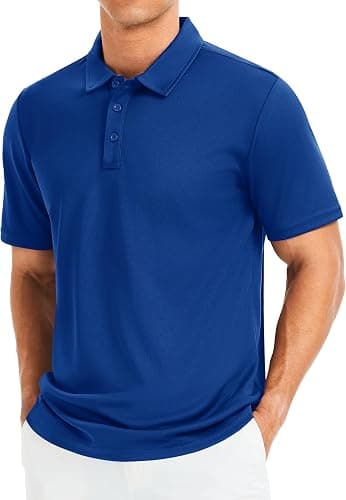
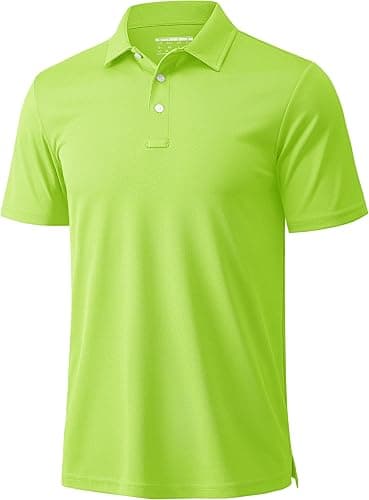
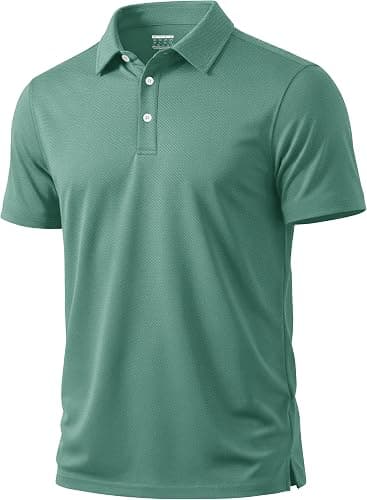
Check which fabric that line refers to. A piqué cotton and a performance knit are quoted separately and the difference is real, not cosmetic. The wholesale polo shirts page lists what is available, and the pricing page shows the bands the unit price steps through.
What is setup and why is it not per piece?
Setup is the work that happens once regardless of how many shirts follow it. A screen is burned once. An embroidery file is digitised once, then the machine repeats it. So a 50-piece order carries the whole of that cost across 50 shirts, and a 500-piece order spreads the identical figure across ten times as many. This is the single biggest reason the per-shirt cost drops with volume, and it is worth seeing as its own line rather than folded into the unit price.
Two positions means two setups. A left-chest embroidery plus a back-neck print are separate operations even though they are on the same garment. If a quote surprises you, count the positions before you question the price.
Which extras appear below the fold?
- 1The sample, at £150, credited back against the bulk order when you proceed.
- 2Private label work: woven neck labels, tear-out labels, swing tags and packaging, each priced separately.
- 3Individual polybagging, which is per piece and adds up quickly on a large run.
- 4Delivery to the UK, USA or Europe, quoted on weight and destination rather than piece count.
None of these are hidden, but they are easy to skim past when you are focused on the unit price. Read the bottom half of the quote first if you are short on time, because that is where the difference between two suppliers usually lives.
What should you ask before approving?
Ask what the quote assumes about artwork, since a logo that needs redrawing is work nobody has costed yet. Ask which currency it is issued in, because invoicing runs in seven and the one you are shown may not be the one you pay in. Ask when the 10 to 15 working day production window starts, which is artwork approval rather than order date, and whether transit is inside or outside that figure. And ask what a second colourway would add, because that answer is usually another 50-piece minimum rather than a small uplift.
How do you compare two quotes fairly?
Divide everything by the piece count. Take the garment line, the decoration, the setup and the delivery, add them, divide by the number of shirts, and compare those two figures instead of the headline. A quote with a low unit price and three separate setups often lands above a quote that looked dearer on line one. Once you have that landed-per-piece number, the planning gets easier, and budgeting a bulk polo order takes it through to a total you can sign off.
If the two quotes are for different specifications, they are not comparable at all and no arithmetic will fix that. Send both suppliers the same brief and reissue. Briefing a supplier for polo shirts covers what that brief needs to contain.