Briefing a Supplier for Polo Shirts
By The Velocity Wear Team
A good polo brief fits on one page: quantity per design, the fabric you want, collar and placket details, a rough size split, artwork in vector form, decoration position and the date you need the boxes. Send all of that at once and the first quote is the quote. Send half of it and you get a range, followed by three rounds of questions.
What belongs in a polo shirt brief?
Six lines cover almost every order. Quantity comes first, and it is quantity per design rather than a total, because the minimum is 50 pieces per design and a second colourway that needs its own screens counts separately. Then fabric, so nobody has to guess between a piqué cotton and a performance knit. Then the collar and placket, which change both the look and the cost. Then sizes, artwork and a date.
- Quantity per design and per colourway, never a single figure covering the whole order.
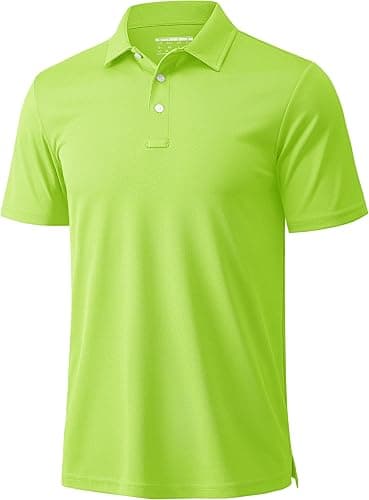
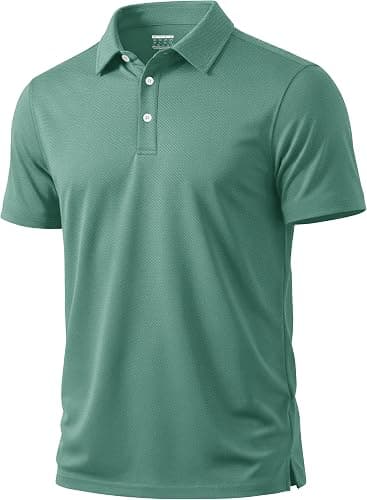
- Fabric family: piqué cotton for a classic dry hand, performance knit where sweat has to move.
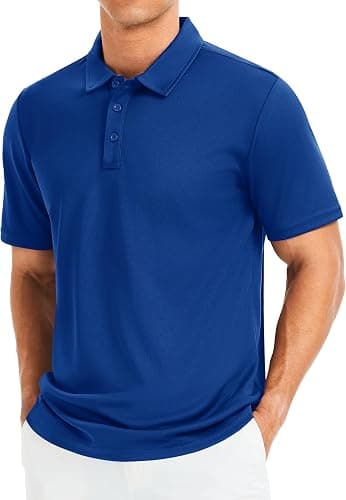
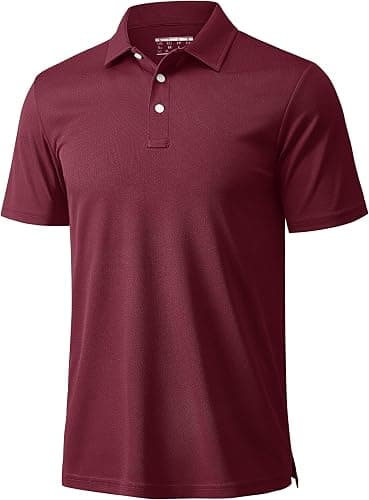
- Collar and placket: button count, tipping, and whether the collar is self-fabric or a knitted rib.
- Decoration method and position, with a rough width in centimetres.
- Size split, or a line saying you will confirm it after a headcount.
- Delivery date, and whether it is a hard deadline or a preference.
Polo shirts start at $18 a piece at the 50-piece minimum, and the wholesale polo shirts page carries the current from-price and the fabric options. The quantity bands that move that figure — 50–99, 100–249, 250–499, 500–999 and 1,000+ — sit on the pricing page, with the discount reaching up to 35% at the top of the ladder.
How much artwork detail is enough?
Vector is the short answer. An AI, EPS or PDF file with the type outlined lets us set the logo at any width without it softening. If all you have is a PNG a web designer sent you, say so in the brief rather than hoping nobody notices; we will tell you whether it redraws cleanly or whether the logo needs rebuilding before it can be stitched or printed.
Position matters as much as the file. Left chest at roughly 8 to 9 centimetres wide is the standard for a polo, but a nape label, a sleeve mark and a small back neck hit are all common additions, and each one is a separate setup. Write the positions down in the brief and the quote comes back itemised instead of as one lump you cannot argue with.
What makes a quote come back as a range rather than a price?
Three gaps cause most of it. A total quantity with no per-design breakdown, because we cannot tell whether 200 pieces is one run or four. A fabric left open, since a performance knit and a heavier piqué do not cost the same. And an undecided decoration method, which is the difference between one screen and a 9,000-stitch embroidery. Fill those three in and the number is firm. If you want to know how to pick that number apart once it lands, read reading a wholesale quote.
Should the brief ask for a sample?
Ask for one whenever the polo is going on a uniform that people will wear every shift for a year. A sample is £150 and that £150 is credited against the bulk order, so on anything past the minimum it is effectively a deposit rather than a cost. Samples are never free, and a supplier offering one for nothing is telling you something about where the money is coming from instead.
Put the sample request in the brief rather than raising it later, because it changes the schedule as well as the invoice. Production runs 10 to 15 working days from artwork approval, and the approval clock starts after you have signed off the sample, not before. If the vocabulary in this section is new to you, the buyer guide to collars and fabric walks through the terms a brief tends to use.
What does a supplier do with the brief once it arrives?
It gets costed in three parts: garment, decoration and finishing. Garment is fabric, colour and quantity band. Decoration is the method, the number of positions and the stitch count or screen count. Finishing is anything private label — woven neck labels, tear-out labels, swing tags, individual bagging. A brief that separates those three reads back as three lines on the quote, and that is what makes it easy to trim if the total comes in high.