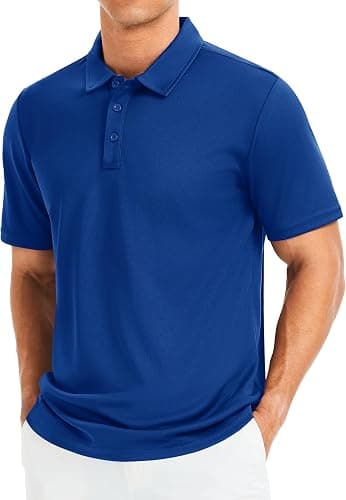
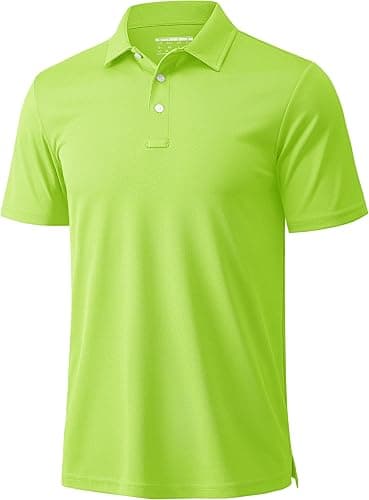
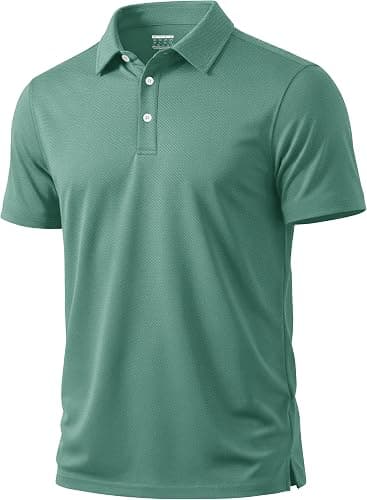
Custom Polo Shirts: A Buyer's Guide to Collars and Fabric
By The Velocity Wear Team
Need this made?Get pricing for this product— free, no obligation, 50 pieces minimum.
The two decisions that matter on a custom polo are the knit and the collar. Pique gives the textured, structured surface most people picture and holds its shape better; jersey is smoother and softer but shows wear faster. The collar is where polos age, so a knitted rib collar with proper density will outlast a self-fabric one. Velocity Wear supplies embroidered and printed polos from a 50-piece minimum with tracked delivery across the UK and worldwide.
Pique Versus Jersey and What It Changes
Pique is a waffle-textured knit. It breathes well, resists creasing, and hides light marking, which is why it dominates uniform polos. The texture also means it does not take fine printed detail well, because the raised and recessed cells break up thin lines. Embroidery, by contrast, sits on pique beautifully.
Jersey polos feel closer to a t-shirt. They drape better and suit a more relaxed or retail look, and they take DTG and DTF print far more cleanly than pique does. The trade-off is that jersey shows creasing and wear at the shoulders and collar sooner. If the polo is going to be worn four days a week for a year, pique is the safer buy.
The Collar Is the Part That Fails First
Almost nobody inspects the collar before ordering, and it is the single component that decides whether a polo still looks professional after six months. A separately knitted rib collar, dense and firm to the touch, holds its shape through repeated washing. A self-fabric collar cut from the body fabric is cheaper and goes soft, then curls at the points.
Two supporting details help. A taped or bound neck seam across the back stops the collar pulling out of shape when the garment is tugged over the head. And a heavier placket with a proper interlining keeps the button strip flat instead of rippling. Check both before you order a large run.
Embroidery Placement Around the Placket
Left chest embroidery on a polo is not the same job as on a sweatshirt, because the placket is in the way. The design has to clear the placket edge by roughly 40 to 50mm, or the hoop presses on the button strip and the finished embroidery sits at an angle. Too far the other way and the logo drifts under the arm.
As a starting point, work about 180 to 200mm down from the shoulder seam and centre the design in the space between the placket edge and the armhole. Then confirm it against the actual size range, because the placket width and chest width both change as sizes grow, and a placement that suits a medium can look off on a 3XL.
Cotton, Poly-Cotton or Performance Polyester
Cotton pique feels the best and looks the most premium, but it creases and it holds moisture, which is a problem for anyone active. Poly-cotton is the workhorse for uniform: it keeps most of the handle, resists creasing and survives industrial washing far better. Full polyester performance fabric wicks and dries fast, and it is the only option if you want sublimation.
One practical note. Embroidery on lightweight performance polyester needs a careful stabiliser choice, because the fabric is thin and slippery and a dense logo can pucker. Simplify the design and reduce the stitch density rather than pushing a detailed logo onto a fabric that cannot support it.
- Squeeze the collar rib before ordering, because a soft collar will curl within months.
- Check that the neck seam is taped, since it stops the collar distorting over time.
- Allow 40 to 50mm clearance from the placket edge for left chest embroidery.
- Choose poly-cotton for uniform that goes through heavy washing, not pure cotton.
- Simplify fine detail and small text before embroidering onto lightweight polyester.
“"Nobody compliments a good collar. They just quietly stop wearing the polo when it goes bad."”
Fit and the Women's Cut Question
Unisex polos are cut straight and boxy, and on many women that reads as ill-fitting rather than neutral. A women's cut polo has a shaped side seam, a shorter body and a narrower shoulder, and the button placket usually fastens the other way. If you offer both, offer them from the start rather than adding them later, because the two fits often come from different fabric batches and the colours may not match exactly.
Setup, Quantities and Lead Time
Embroidery has a one-off digitising step where your logo is converted into a stitch file, after which repeat orders reuse it. Screen printing charges setup per colour, so a two-colour logo costs less to set up than a five-colour one. Use the free instant price calculator to see how the method and quantity interact, since bulk discounts reach up to around 35%. Embroidered polo runs typically take around 10 to 15 working days from artwork approval.