Polo Shirts for Schools: samples
By The Velocity Wear Team
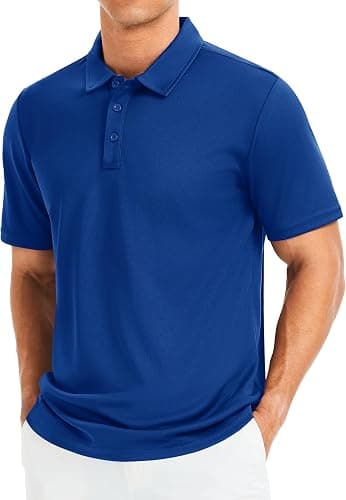
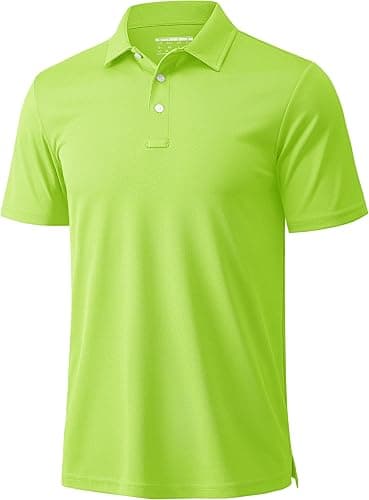
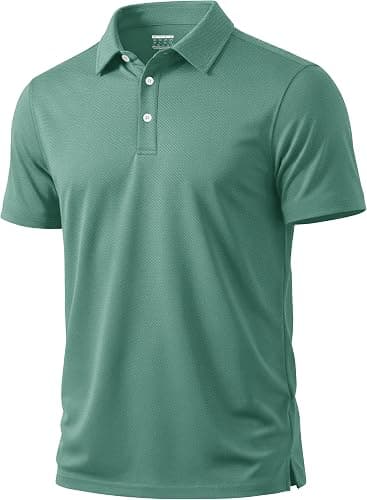
A polo sample is £150, and that £150 is credited against the bulk order when you proceed. Samples are never free. For a school it is worth ordering whenever the shirt is uniform rather than a one-off, because fit on a child, crest legibility at chest size and colour match against existing kit are all things a screen cannot settle.
What does the sample fee actually buy?
A shirt made to your specification: your fabric, your colour, your collar and placket, your crest at the size you asked for. It is not a stock garment with something ironed on. That is why it costs what it costs, and why the credit against the bulk order matters — on any order past the 50-piece minimum, the £150 comes back off the invoice, making it a cashflow step rather than a line of spend.
Where it genuinely costs you is time. The sample has to be produced, sent and approved before artwork sign-off, and the 10 to 15 working day production window starts after that approval. Plan it into the calendar at the beginning; adding it late is what turns a comfortable term deadline into a tight one.
What should a school check when it arrives?
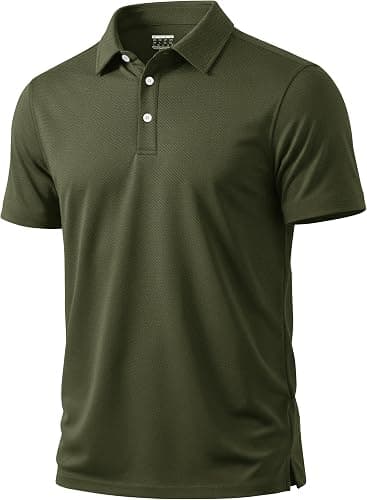
- 1Colour against the rest of the uniform, in daylight and under the hall lighting.
- 2Crest size and legibility from a few metres away, not held at arm length.
- 3Collar behaviour: does it stand up, and does it stay that way after a wash?
- 4Placket and button spacing, which is what makes a polo look neat done up.
- 5Fabric weight and hand, and whether it suits the fabric of the rest of the kit.
- 6Fit on an actual pupil in that size, not on a hanger.
- 7The wash test: launder it the way a family will, at the temperature they will use.
- 8Any name or number position, checked for placement as much as for print quality.
The wash test is the one most often skipped and the one that tells you the most. Run it before approving artwork, because after approval the order is in production and the answer arrives too late to act on.
Does one sample cover a whole uniform range?
It covers one design. A different colourway or a different garment is a separate specification and therefore a separate sample, which is the same logic behind the 50-piece minimum applying per design. If the school is ordering polos and leavers hoodies from the same crest, expect to approve each one on its own rather than assuming the crest will behave identically on both fabrics. The schools and leavers page sets out what usually goes out together.
Sizing is the other reason to be deliberate about which sample you order. A middle size tells you the most about how the fit runs, and leaving the shirt out for pupils to try on for a week settles more questions than a size chart ever does.
What happens after the sample is approved?
Artwork is signed off, the production clock starts and 10 to 15 working days later the run is ready for transit. Nothing about the specification should change between sample and bulk; if it does, the sample no longer represents what you are buying. Fix the details at sample stage, which is exactly why the brief matters — briefing a supplier for polo shirts covers what to pin down before a sample is even made, and print or embroidery for school polos covers the decoration decision the sample is there to prove. Polos start at $18 a piece at the 50-piece minimum on the wholesale polo shirts page.
What if the sample is wrong?
Say so specifically. A note that the crest is too small or the blue is greener than the blazer is actionable; a note that it does not look right is not. Most sample problems fall into three groups: colour, decoration size or fabric weight, and each has a clear fix before bulk. The point of paying for a sample is that this conversation happens while only one shirt exists. A changed specification means the sample no longer matches what is being made, so a second sample is usually the right call before committing a cohort to it.