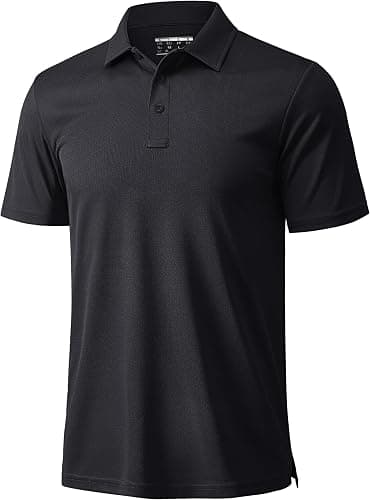
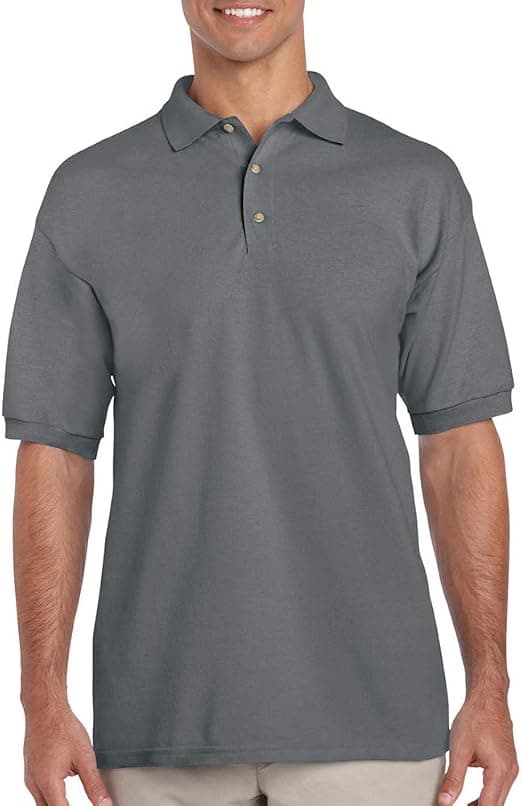
Jackets & Outerwear for Offices: samples
By The Velocity Wear Team
A jacket sample is £150 and the amount comes off the bulk invoice when the order is placed. For an office rollout it answers the only question that matters, which is whether staff will wear the thing. Fit, weight and how the logo looks in daylight are all judgements people make in seconds, and none of them can be made from a screen.
Why pay for a sample before an office rollout?
Because a jacket is the most visible garment a company issues and the most expensive to get wrong. Unlike a tee that lives under a desk, outerwear is worn in reception, at client sites and on the commute, so an unpopular one is noticed by everybody every day. The £150 buys a physical answer before fifty pieces are cut, and the money returns to you as a credit on the bulk order, which makes it closer to a deposit than a cost. The garment options sit on our jackets page, and typical office programmes are described on the corporate page.
What should the people wearing it be asked to check?
Give them a short list rather than asking what they think, because open questions get polite answers. Does it do up comfortably over a jumper. Do the sleeves finish at the wrist when the arms are forward, not hanging down. Is there a pocket that holds a phone without it swinging. Does the collar sit flat with a shirt underneath. Is the logo the right size when seen from across a room, and is it the right colour against that garment shade. Five specific questions produce usable answers; one general one produces a shrug.
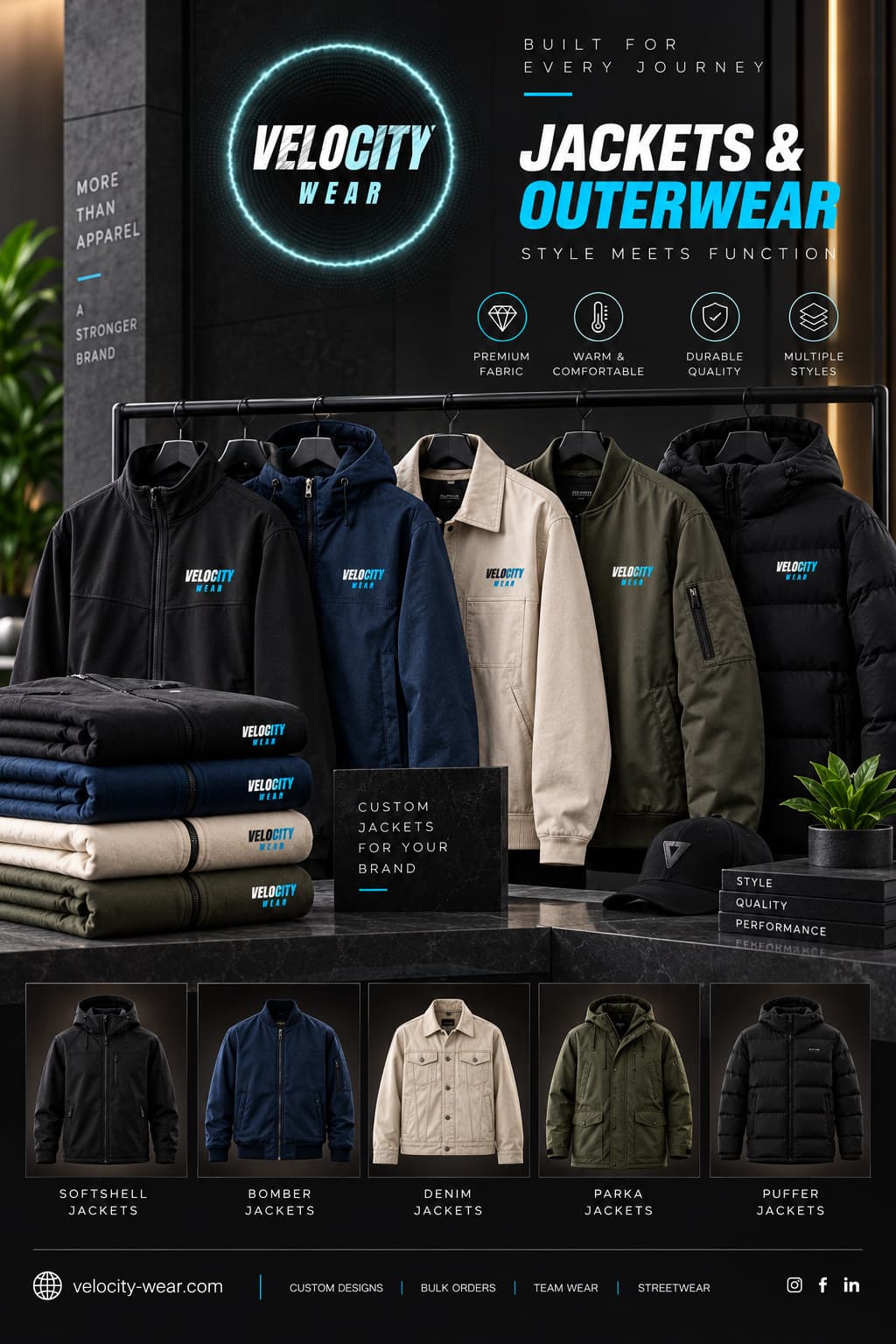
Ask for one wash as well. A jacket that looks sharp out of the bag and creases badly after a cycle is a jacket that stops being worn by February. The same principle applies across garment types, and it is the argument our fleece jacket guide makes about checking the finish rather than the spec sheet.
How does the sample fee work against the bulk invoice?
Straightforwardly. You pay £150 for the sample, and when the bulk order goes ahead that amount is deducted from it. If you decide against the style, you keep the jacket and you have avoided committing to fifty pieces of something nobody wanted. Sampling in the colour and size you intend to buy most of is the practical advice, because a black sample tells you very little about how a logo will read on grey.
Who should see the sample before it is signed off?
Someone who will wear it daily, someone who cares what the brand looks like, and the person paying. Three opinions is enough; a committee of twelve turns a two-day decision into a three-week one and pushes the whole schedule back, since the 10 to 15 working day production window only starts once artwork is approved. If the jacket is doubling as a gift for clients or partners, the standards are higher again, which is the point made in apparel that does not go straight to the charity shop.
Give the sample a deadline of its own. A jacket circulating the office for feedback with no return date will still be on a desk somewhere in three weeks, and production has not begun. Two working days with five named people is enough to get a real answer out of it. Collect the responses in writing rather than in a corridor, because the person who shrugs in passing is reliably the same person who raises the fit as a problem after delivery.