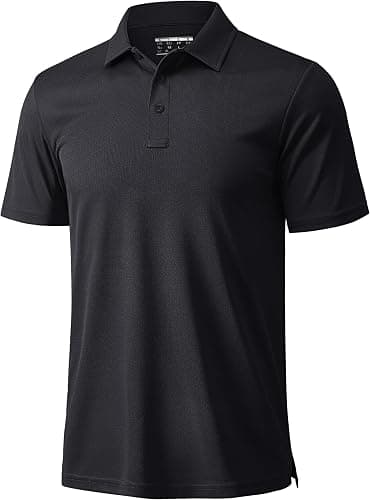
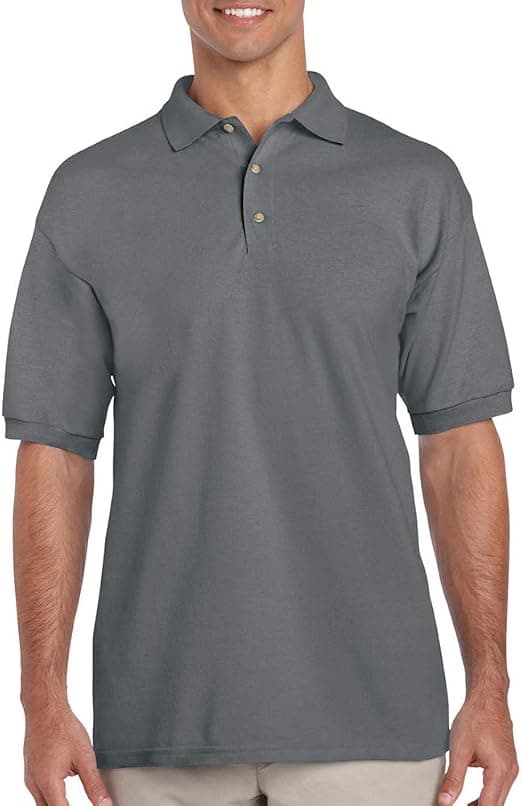
Cotton vs Poly Blend on Jackets & Outerwear
By The Velocity Wear Team
Cotton-rich shells feel better in the hand, take a soft print well and suit coach and varsity styles worn in dry conditions. Poly and poly-blend shells shed water, dry fast, hold colour and keep their shape, which is why softshells and puffers are built from them. The compromise is a blend, which gives you a cotton hand with a good deal of the polyester stability.
How do the two behave after washing?
Cotton relaxes and shrinks, particularly on a first hot wash, and it takes longer to dry. On a jacket that shows up as a body length that is a little shorter and sleeves that sit differently than they did in the shop. Polyester is dimensionally stable, so a poly shell comes out of a wash the same shape it went in. Blends land between the two, roughly in proportion. For a group of fifty jackets meant to look uniform after a season, that stability is worth more than it sounds, because the jackets are seen next to each other.
Which takes decoration more predictably?
Cotton is the more forgiving surface for ink. It absorbs, the colour sits down into the fibre and the result looks soft rather than applied. Polyester introduces two complications: dye migration, where colour from the fabric bleeds into a light print after curing, and heat sensitivity, which limits how hard you can press. Both are manageable with the right ink and a controlled temperature, and both are reasons to sample rather than assume. Embroidery is largely indifferent to the fibre and cares much more about the construction underneath it.
What does each cost to run at volume?
Jackets and outerwear are quoted per job rather than off a single list price, because fabric, lining, fill and hardware all move the number and a coach jacket and a padded puffer share almost nothing. What is constant is the order structure: fifty pieces per design with the sizes mixed as you like, a build of 10 to 15 working days from approval, and a discount that grows with quantity up to 35% off the 50-piece figure. The bands are set out on the pricing page, and terminology you will meet in the quote is defined in the glossary.
When does cotton make sense?
Coach jackets, varsity bodies and anything worn as a fashion layer rather than as protection. It makes sense when the jacket is being sold to a customer who will handle it before buying, when the print is large and should look soft, and when the wearing conditions are dry. It is the wrong call for site crews, for anything expected to be rained on regularly, and for kit that gets industrially washed.
When should you go poly blend?
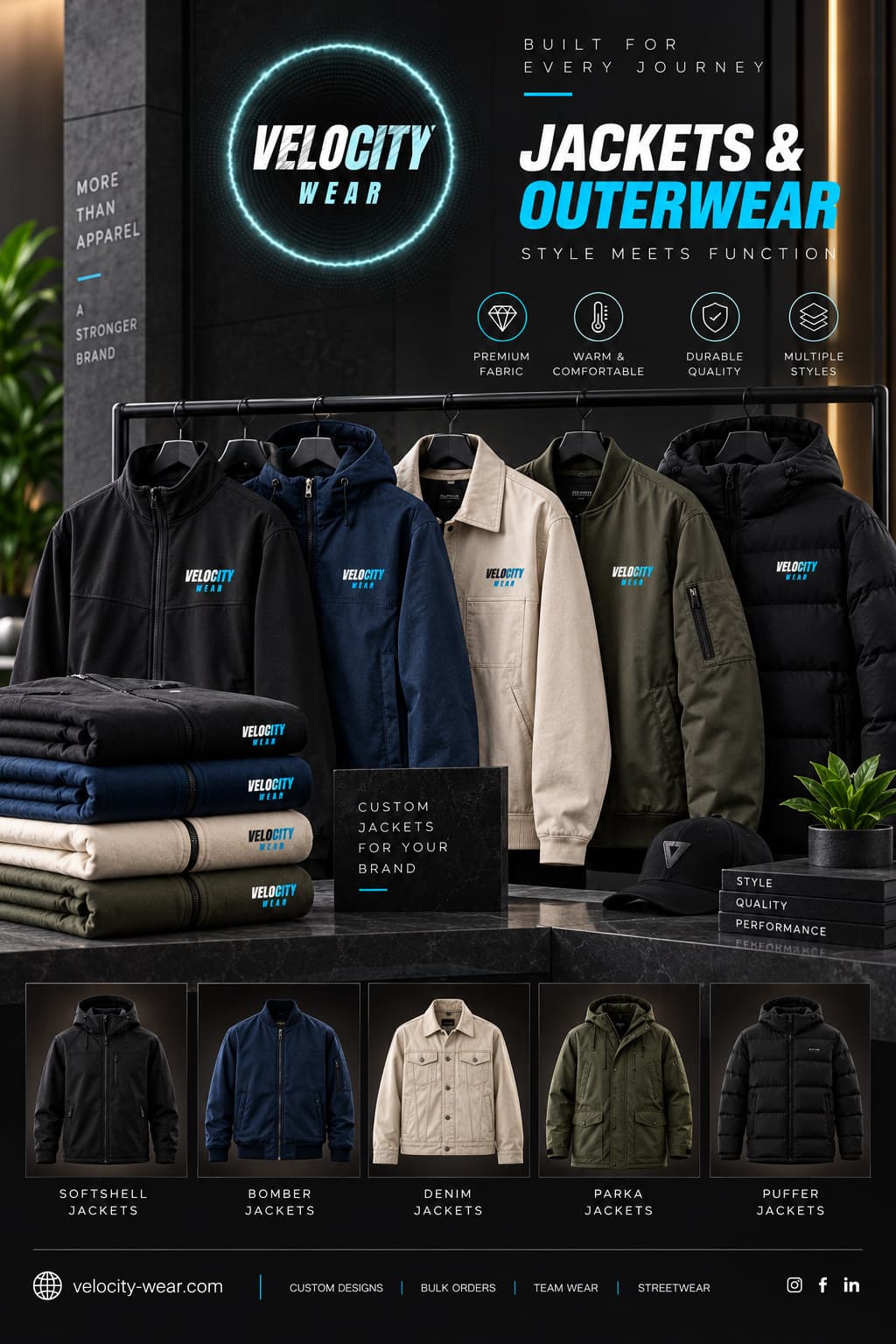
Softshells, padded jackets, and every case where the garment has a job to do outdoors. Poly-faced shells resist wind and water, dry quickly, keep their colour through sun exposure and hold their shape through repeated washing, which is why nearly all technical outerwear is built that way. If you need protection from real rain rather than a shower, that is a different construction again and custom rain jackets and waterproofs covers what changes. For choosing the shell itself, choosing fabric for wholesale jackets runs through the options on the wholesale jackets page.